Caravaggio
The Calling of Saint Matthew (1599-1600, San Luigi dei Francesi, Rome)
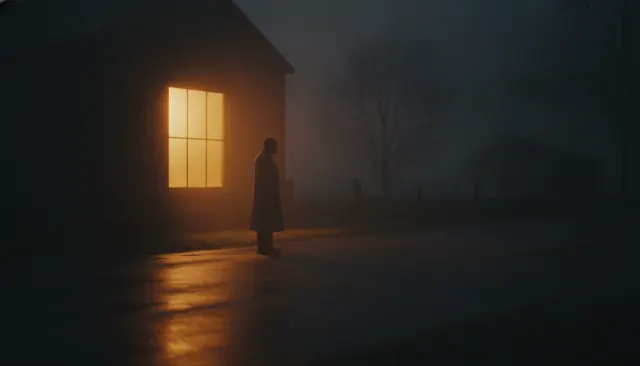
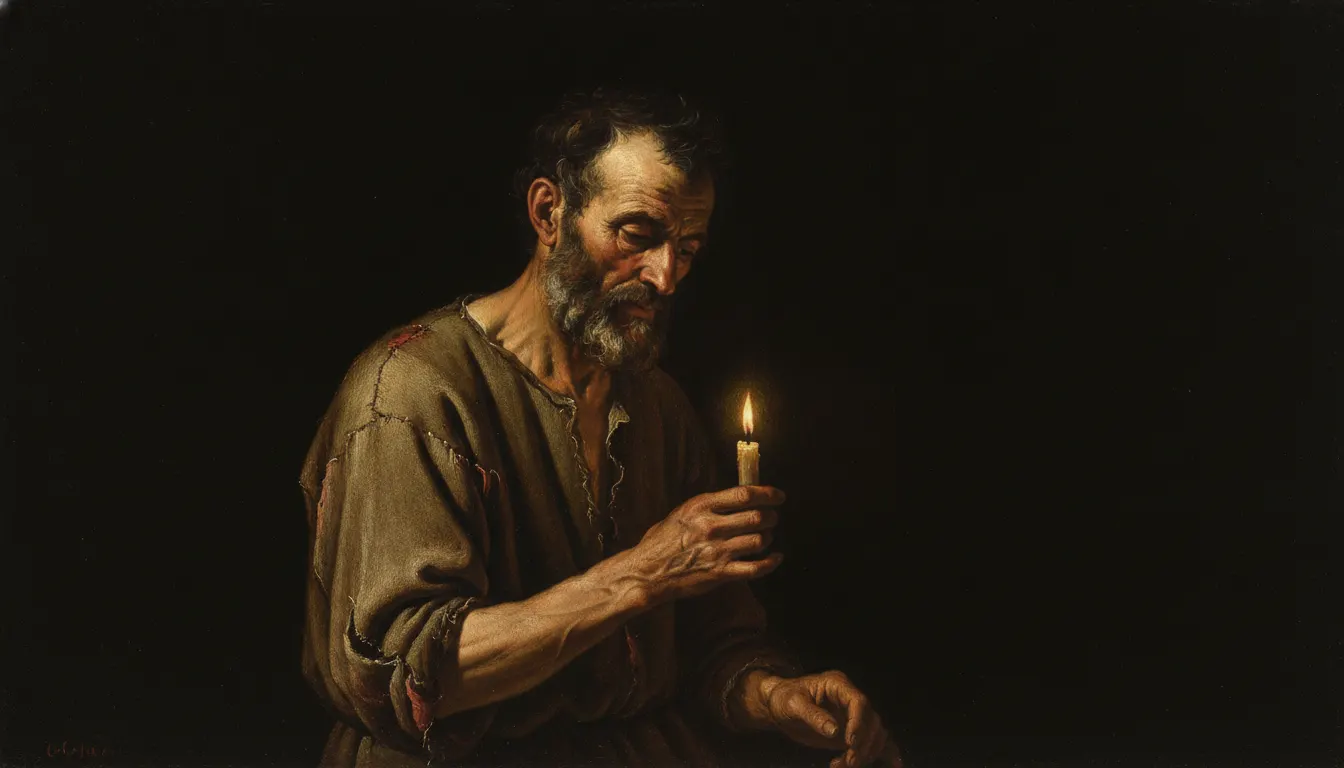
Caravaggio tenebrism. Single hard candle key, deep velvet black, raking light on flesh, common-man models cast as saints.
The moves a human crew would use to get here. Cue applies them for you, and knowing their names is how you ask for a change.
figures carved from near-total darkness by a single directed light source
no mid-tone gradation - shadows are deep black, light is brilliant
subjects at peak dramatic moment, not at rest
action or movement implied even in static subjects
crimson, gold, Venetian blue, ochre against dark backgrounds
aged skin, veins, stubble, tears
figures crowd the picture plane, backgrounds are dark and undefined
The Baroque style dominated European painting, sculpture, and architecture from roughly 1600 to 1750. It developed as the Catholic Church's visual response to the Protestant Reformation, seeking to engage and emotionally overwhelm the faithful through theatrical grandeur, dynamic composition, and intense naturalism. Its defining visual technique - chiaroscuro (the dramatic interplay of light and dark) - was perfected by Caravaggio in Rome around 1600 and spread across Europe through his direct followers (Caravaggisti) and later through Rembrandt and Vermeer in the Dutch tradition.
Michelangelo Merisi da Caravaggio (1571-1610) was the most radical painter of his generation. Working in Rome (1592-1606), Naples, Malta, and Sicily before his early death at 38, he developed a style of extreme naturalism - painting religious subjects from live models, including street people and prostitutes - combined with tenebrism (an intensified form of chiaroscuro where figures emerge from near-total darkness into a single directed light source).
His major works include:
Peter Paul Rubens (1577-1640) represents the Flemish Baroque: dynamic diagonal compositions, fleshy idealized figures in violent or ecstatic action, rich color. Diego Velázquez (1599-1660) brought Spanish realism and atmospheric painting to Baroque portraiture (Las Meninas, 1656). Rembrandt van Rijn (1606-1669) absorbed Caravaggio's light-dark drama into intimate psychological portraiture.
Baroque in video and photography: deep shadows with a single directed light source, high contrast, figures emerging from darkness, theatrical emotional expression, dynamic diagonal composition, rich saturated colors (crimson, gold, deep blue) against dark backgrounds.
The Calling of Saint Matthew (1599-1600, San Luigi dei Francesi, Rome)
Judith Beheading Holofernes (c. 1598-1599, Galleria Nazionale, Rome)
The Supper at Emmaus (1601, National Gallery, London)
Judith Slaying Holofernes (c. 1614-20, Uffizi, Florence)
The Night Watch (1642, Rijksmuseum, Amsterdam)
The Descent from the Cross (1612-14, Antwerp Cathedral)
Las Meninas (1656, Museo del Prado, Madrid)
Self-Portrait with Two Circles (c. 1665-69, Kenwood House, London)
A Look is not a filter. It is a set of stored decisions the pipeline reads before it makes a single frame, so two videos in the same Look actually match.