Ain't Them Bodies Saints
David Lowery / Bradford Young (DP) · 2013
Sundance; Texas Hill Country lyrical intimacy; defining Young visual vocabulary
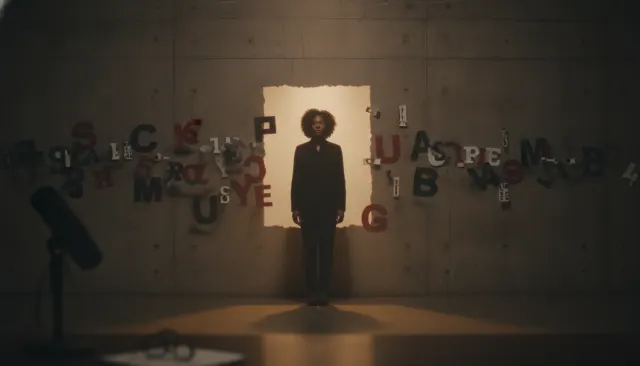
Bradford Young expressive low-light. Selma and Arrival underexposed melanin-flattering tones, single warm window source, contemplative space.
The moves a human crew would use to get here. Cue applies them for you, and knowing their names is how you ask for a change.
Whole-image underexposure that compresses tonal range and creates a velvety 'luminous darkness' in shadow areas.
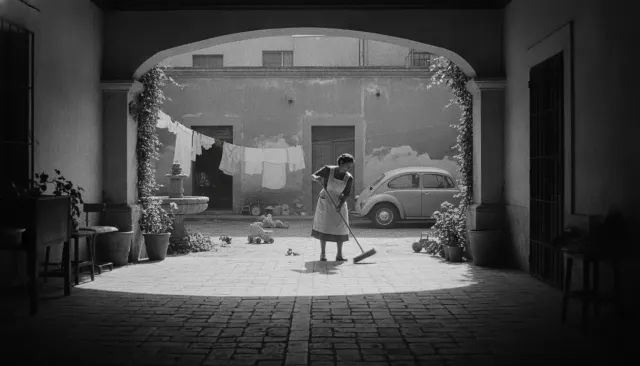
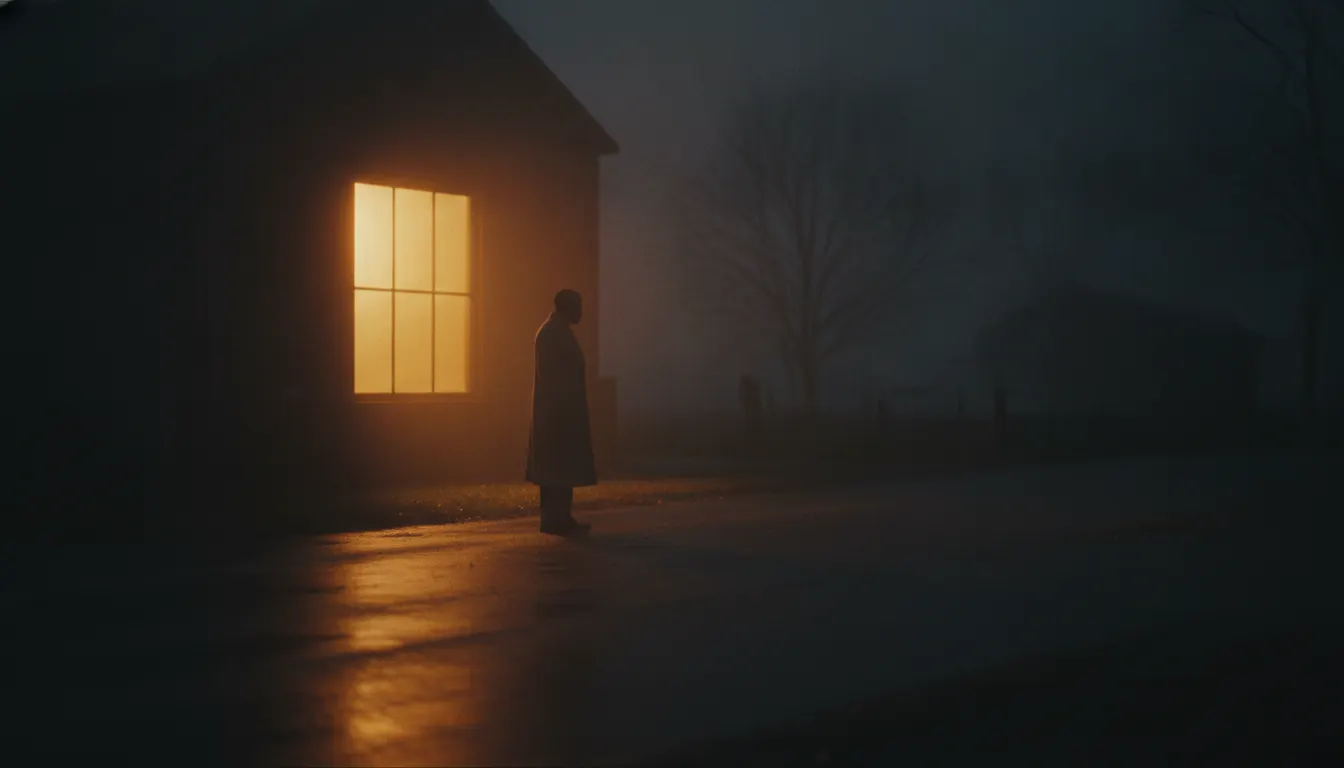
One slightly warm, slightly off-axis window or practical source illuminating faces while leaving surroundings in deep shadow.
Exposure calibrated so deep skin tones retain surface detail and dimension rather than compressing to silhouette.
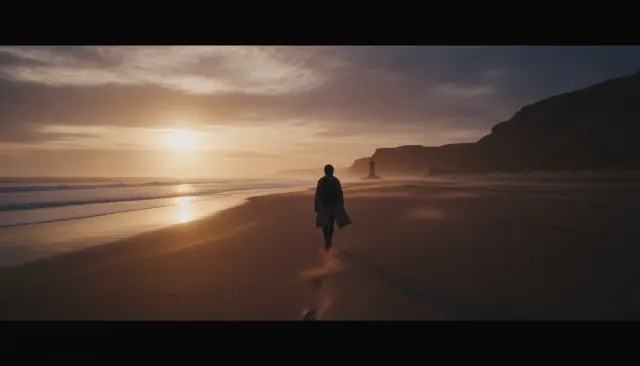
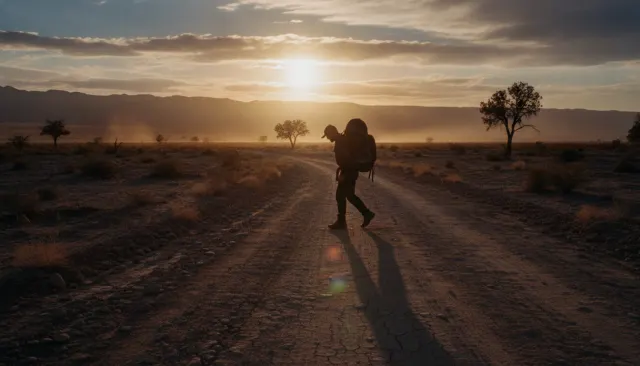
Human figures made small within large landscape frames, creating a contemplative tension between intimacy and vastness.
Magic-hour side-backlit environments where dust, fog, or atmospheric haze creates a glowing textured background field.
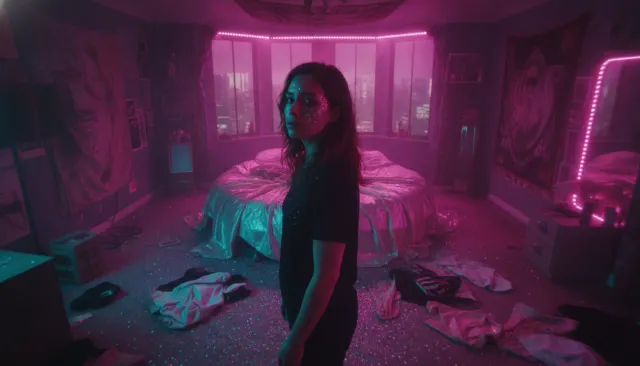
Color grade that compresses midtones to give shadow areas a luminous quality distinct from standard low-key lighting.
Bradford Young is an American cinematographer whose work across Selma (2014), Arrival (2016), A Most Violent Year (2014), Ain't Them Bodies Saints (2013), and Solo: A Star Wars Story (2018) constitutes one of the most influential visual philosophies in contemporary cinema - a commitment to underexposure, melanin-flattering tonal relationships, and the cultivation of contemplative space within the frame.
Young has articulated his approach in interviews as a response to the way cinema historically overexposed Black skin to match Kodak's white-normative exposure standards. His cinematography deliberately underexposes the image as a whole, using the resulting compressed tonal range to create what he describes as 'luminous darkness' - a quality in which deep skin tones retain detail and dimension rather than collapsing to silhouette.
This is not merely a political commitment but an aesthetic one: Young's images have a velvety, compressed midtone quality in which shadow areas glow rather than going dark. A single warm window source, slightly left of center, illuminates faces while leaving the surrounding environment in deep, detailed shadow.
DuVernay's Selma was photographed in a manner that consistently honored the visual complexity of the 1960s civil rights movement without the hagiographic over-illumination that historical epics typically use. Young kept the Selma interiors - church basements, motel rooms, the Edmund Pettus Bridge exterior - in a tonal range that felt historically plausible rather than dramatically optimized. The bridge march sequence uses the flat gray-white Alabama winter sky as a neutral field against which the marchers are silhouetted and then, as they advance, individually distinguished.
Denis Villeneuve's Arrival pushed Young toward a more extreme version of his low-light philosophy. The spacecraft interior sequences are photographed in near-darkness with only diffuse blue-gray ambient sources - the alien ships generate their own light source, which Young used as the single motivated key for the human characters who enter them. The result is a visual argument about cognitive estrangement: human faces barely readable in alien light.
This David Lowery film established many of Young's most recognizable techniques: golden dust-backlit Texas Hill Country magic-hour environments, single-window key in rural interior spaces, and a compositional preference for long-distance views that make human figures small against landscape. The film's visual tenderness influenced the entire wave of contemplative American indie cinema that followed.
Young's approach has been cited by cinematographers Autumn Durald Arkapaw (Euphoria), Ari Wegner (Zola, The Power of the Dog), and Matyas Erdely as a touchstone for contemporary approaches to low-light skin tone rendition.
David Lowery / Bradford Young (DP) · 2013
Sundance; Texas Hill Country lyrical intimacy; defining Young visual vocabulary
Ava DuVernay / Bradford Young (DP) · 2014
Civil rights epic with dignified, historically-plausible underexposure
J.C. Chandor / Bradford Young (DP) · 2014
1981 New York winter palette; compressed cold-light moral ambiguity
Denis Villeneuve / Bradford Young (DP) · 2016
Alien-light underexposure as cognitive estrangement grammar
Ron Howard / Bradford Young (DP) · 2018
Blockbuster-scale application of Young's desaturated, shadow-rich low-key approach
Ava DuVernay / Bradford Young (DP) · 2019
Carceral interior light as spatial argument about institutional confinement
A Look is not a filter. It is a set of stored decisions the pipeline reads before it makes a single frame, so two videos in the same Look actually match.