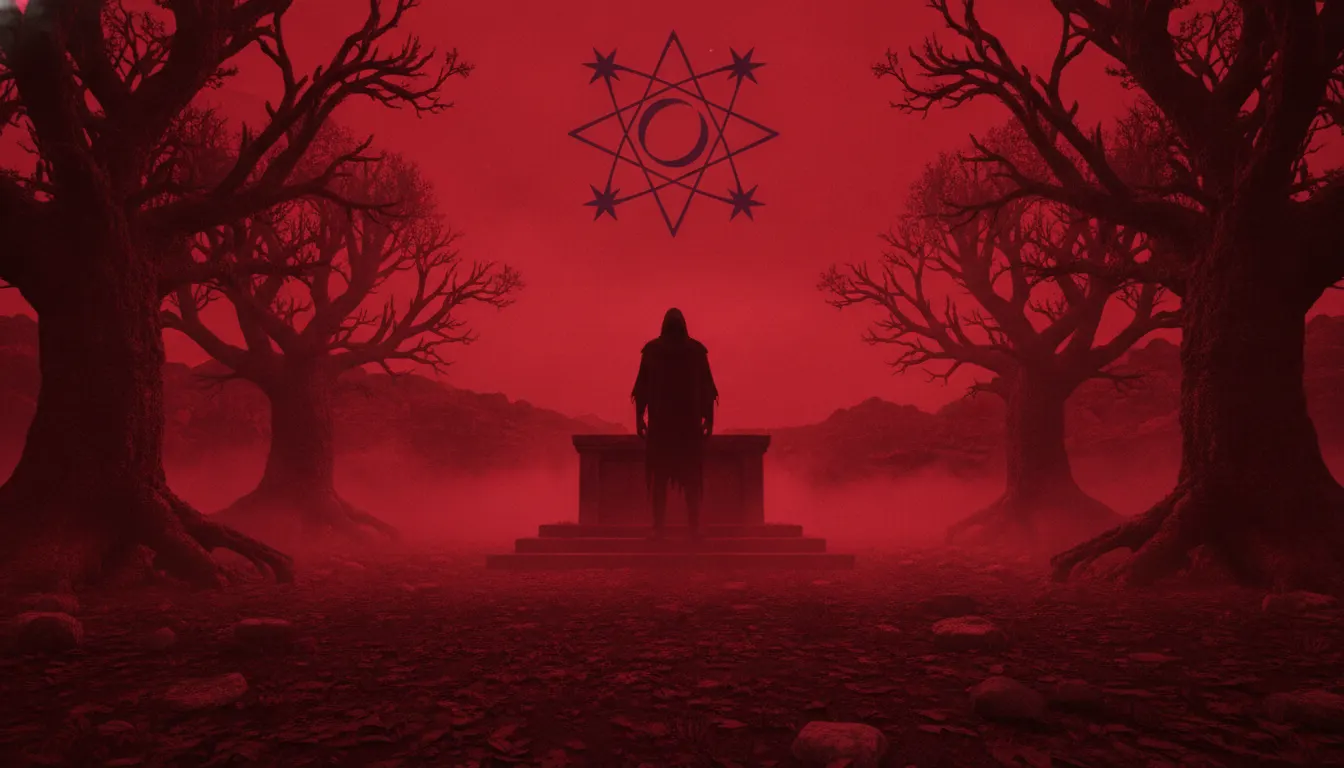
Hereditary
Ari Aster / Pawel Pogorzelski (DP) · 2018
Dollhouse symmetry and eggshell-horror defining A24's visual grammar
A24 elevated-genre aesthetic. Saturated singular color, symmetrical wide, Ari Aster precision, Robert Eggers period dread.
The moves a human crew would use to get here. Cue applies them for you, and knowing their names is how you ask for a change.
One color temperature is saturated while the rest of the palette is neutralized, creating a visual thesis in the grade.
Characters placed in doorways, corridors, or window frames that center them architecturally while implying entrapment.
Horror and dread rendered in bright, flat daylight rather than darkness, removing conventional shadow-cover.
21-35mm lenses keep environments present and large around characters, making them spatially exposed.
Practical and natural light sources preserved rather than supplemented, maintaining an observational honesty.
Extended locked-off or barely-moving takes build dread through duration rather than editorial acceleration.
Since A24's founding in 2012, the New York-based distributor has become the most influential aesthetic force in English-language art-house cinema - a brand identity so visually coherent that the phrase 'A24 film' now functions as shorthand for a recognizable suite of craft choices.
A24 did not emerge from a single auteur but from a curation strategy: the company acquired and distributed films by directors who prioritized formal discipline over commercial legibility. The first major visual statement was Jonathan Glazer's Under the Skin (2013), shot by Daniel Landin with available light in Scotland, using hidden cameras and alien sensory estrangement. The following year, Enemy (2013, Denis Villeneuve, DP Nicolas Bolduc) introduced the flat, institutional yellow-gray palette that would become one of A24's signatures.
Ari Aster and Pawel Pogorzelski defined the company's horror grammar across Hereditary (2018) and Midsommar (2019): symmetrical wide-angle staging that treats the frame as a dollhouse, eggshell-white daylight that removes the cover of darkness, and a slow-building dread embedded in mundane domestic detail. Robert Eggers's The Witch (2015) and The Lighthouse (2019, DP Jarin Blaschke) pushed the period-piece wing, emphasizing desaturated tones and natural-source light for historical authenticity that feels claustrophobic.
The A24 look is defined by singular dominant color: not a multi-hue palette but one temperature pushed to prominence. Moonlight (2016, Barry Jenkins, DP James Laxton) used cool blue-silver Miami nights. Hereditary used warm amber-beige against surgical whites. Ex Machina (2014) used Nordic industrial gray-green. The consistent technique is color isolation - a single hue saturated while the rest of the frame is neutralized.
Composition tends toward symmetry or near-symmetry, often with a character centered in a doorway, corridor, or window frame - an architectural containing device that implies both safety and entrapment. Lenses favor moderate-to-wide focal lengths (21-35mm), which keep environments present and characters spatially vulnerable within them.
A24's streaming expansion (A24 YouTube, Apple TV+ partnerships) carried the aesthetic into episodic form. Euphoria (Sam Levinson/A24) extended the neon-and-shadow grammar into a television language. The brand's merchandise and social media strategy codified the aesthetic for Gen Z creators, making it the default 'elevated horror' and 'prestige indie' shorthand.
Videomakers working in any elevated-genre register - horror, dark drama, literary adaptation, psychological thriller - reach for the A24 vocabulary because audiences now recognize it as a quality signal. The key technical moves are: choose a single dominant hue, use symmetrical or near-symmetrical composition, preserve ambient light rather than adding motivated fill, and build dread through stillness rather than cutting.
Ari Aster / Pawel Pogorzelski (DP) · 2018
Dollhouse symmetry and eggshell-horror defining A24's visual grammar
Ari Aster / Pawel Pogorzelski (DP) · 2019
Daylight folk horror in Swedish meadow palette
Barry Jenkins / James Laxton (DP) · 2016
Blue-silver Miami isolation; Academy Award Best Picture
Robert Eggers / Jarin Blaschke (DP) · 2015
Desaturated period naturalism as horror substrate
Jonathan Glazer / Daniel Landin (DP) · 2013
Available-light alienation; foundational A24 acquisition
Alex Garland / Rob Hardy (DP) · 2014
Nordic industrial gray-green in enclosed techno-dread
Robert Eggers / Jarin Blaschke (DP) · 2019
Academy-ratio black-and-white natural-source period claustrophobia
Ari Aster / Pawel Pogorzelski (DP) · 2023
Maximalist expansion of A24 surrealism and anxiety aesthetics
A Look is not a filter. It is a set of stored decisions the pipeline reads before it makes a single frame, so two videos in the same Look actually match.
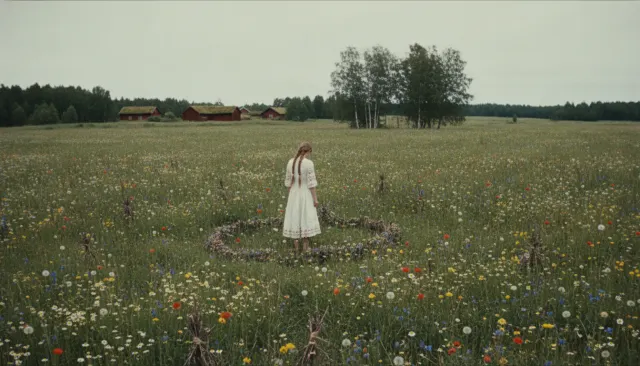 Director Aesthetic ModernAri Aster Folk Horror Eggshell
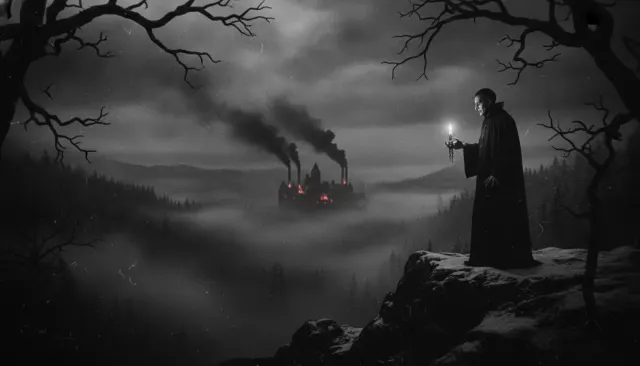 Director Aesthetic ModernRobert Eggers Historical Natural Light
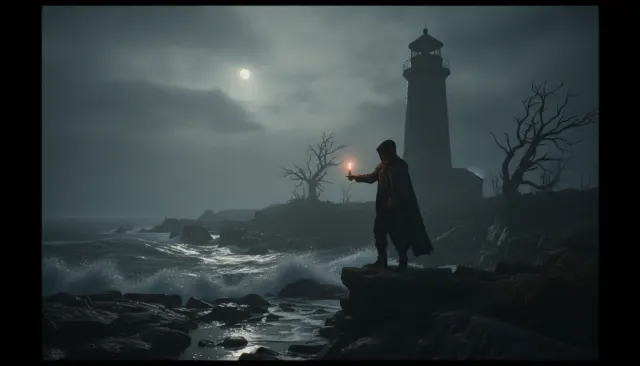 Cinema GenreHorror Folk Eggers
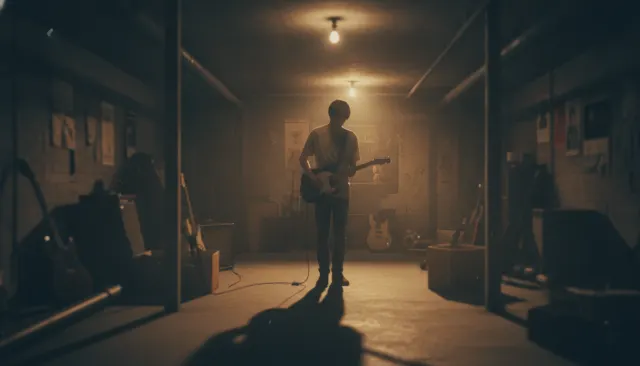 Mv EraIndie 2010s Lo-Fi Music Video
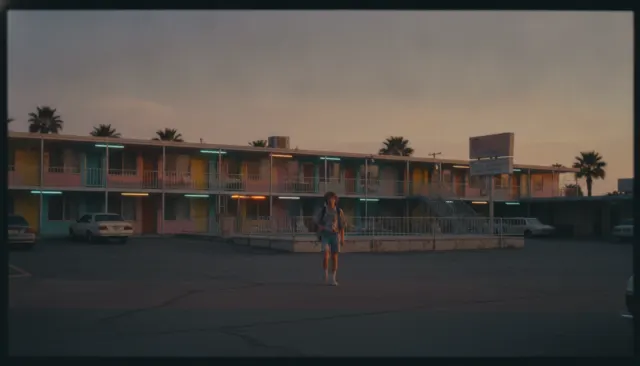 Mumblecore IndieSundance 2010s Indie Natural
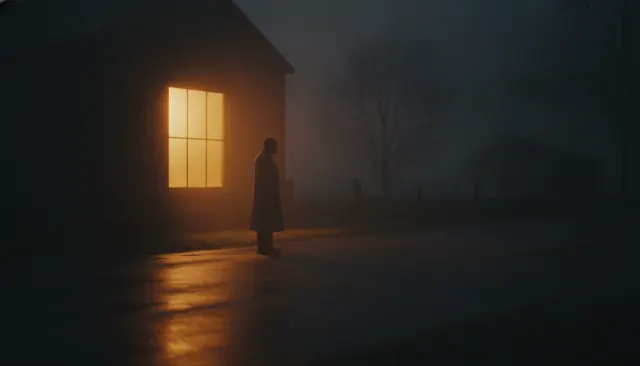 CinematographerBradford Young Shadows
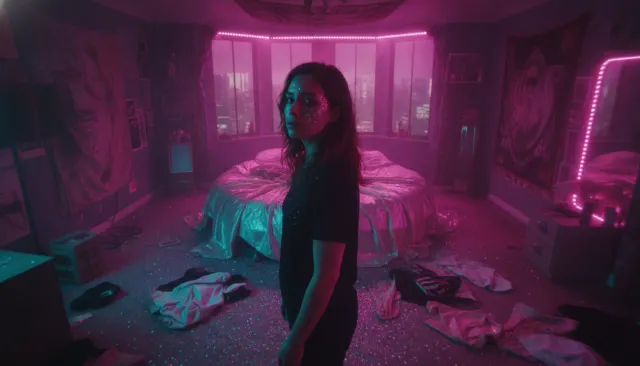 Cinematographer AcclaimedAutumn Durald Arkapaw Euphoria Neon