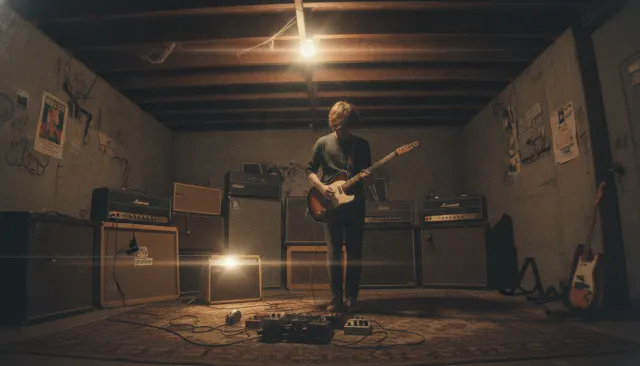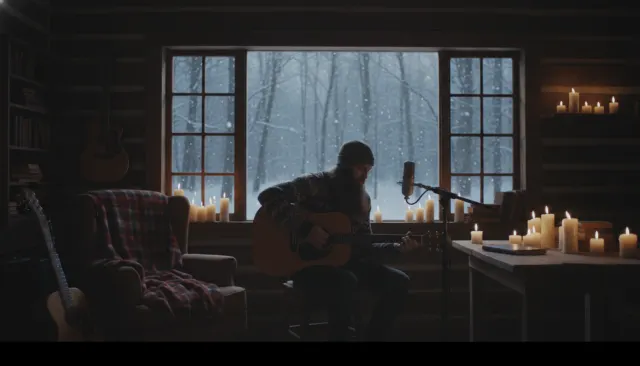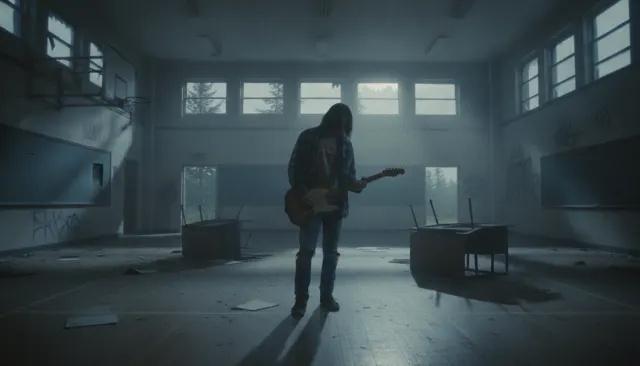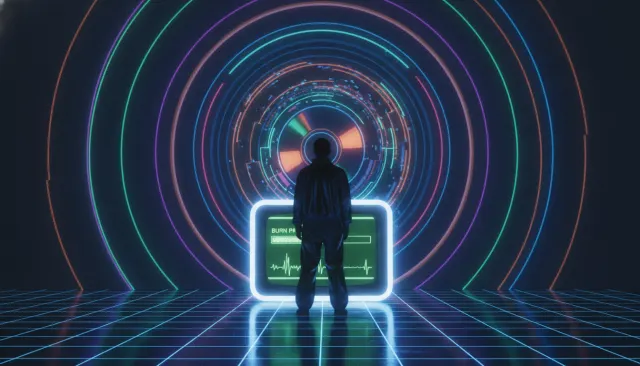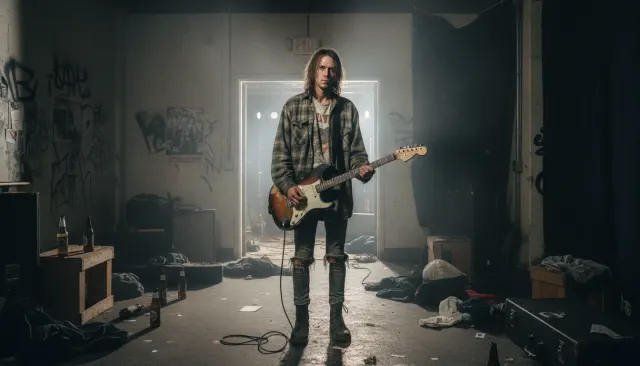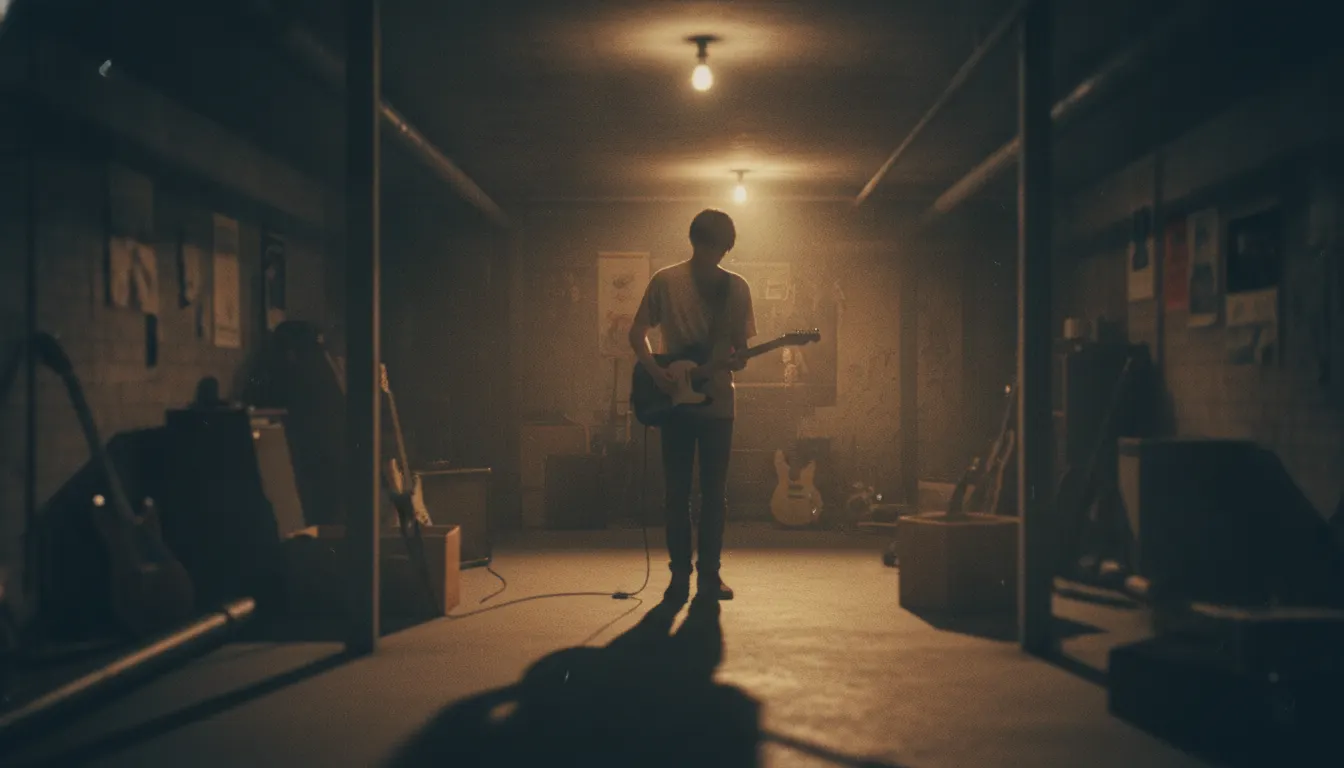
Tame Impala, 'Solitude Is Bliss'
2010
Super 8 psychedelic warmth
Pitchfork-era indie lo-fi MV. 5D Mark II shallow focus, Tumblr-faded color, single location, Mac DeMarco basement vibe, Vampire Weekend prep.
The moves a human crew would use to get here. Cue applies them for you, and knowing their names is how you ask for a change.
warm orange-amber cast, edge vignetting, visible grain
lens footage: soft resolution, limited contrast range, flat color
tracking lines, color bleed at edges, slight chroma smear
blown highlights, compressed shadows, the summer-too-bright quality
fluorescent green cast plus tungsten warmth
window light or practical lamps only
the stillness of someone watching rather than directing
the mark of uncontrolled optics
The lo-fi music video aesthetic of the early 2010s emerged directly from the same conditions that produced the music: home recording, limited budgets, and a cultural moment in which imperfection had become its own form of credibility. Where major-label video production was moving toward ultra-high-definition and polished post-production, the indie lo-fi aesthetic embraced VHS artifacts, light leaks, camera grain, and the visual grammar of consumer equipment.
Tame Impala's early visual work, particularly around Innerspeaker (2010) and Lonerism (2012), combined lo-fi production aesthetics with psychedelic color treatment. The video for "Solitude Is Bliss" (2010) and early performance footage used Super 8 warmth and deliberate exposure instability - overexposed sequences blooming into white, underexposed passages going near-black, with a color palette of sun-saturated Australian summer mixed with interior tungsten warmth.
The visual language connected to 1960s and 1970s psychedelic rock, but mediated through the specific poverty of 2010 independent production: the footage looked like it was shot cheaply because it was, but that cheapness aligned with the music's own home-recording ethos.
Mac DeMarco's visual presentation across his 2 (2012) and Salad Days (2014) era used consumer Handycam or cheap zoom-lens footage, ungraded or minimally post-processed, capturing garages, backyards, and cigarette-smoke interiors with the same flatness and banality that characterized his bedroom-recording approach. The aesthetic made no pretense of production value - the cheap consumer camera was the point, not a limitation to be overcome.
This connected to a broader aesthetic community that included Ariel Pink, DIIV, Real Estate, and the Captured Tracks label aesthetic: a look that prized the visual equivalent of tape saturation - slightly blown-out highlights, muted shadows, the soft smear of cheap lenses.
The lo-fi 2010s video aesthetic was inseparable from YouTube as its primary distribution context. Low-resolution, low-bitrate YouTube encoding in the early platform era actually added additional artifact to lo-fi footage, creating a secondary layer of visual noise that reinforced the aesthetic. Videos shot at 720p or even 480p were not failures - they were correctly calibrated for their medium.
The lo-fi 2010s palette tends toward either warm analog tape saturation (amber, golden-green) or the cool-green of fluorescent domestic interiors. Daylight exteriors are often slightly overexposed - blown highlights, compressed shadows. The specific warmth of VHS or Super 8 emulation was available in early iPhone apps (8mm Vintage Camera, Hipstamatic) that fed the aesthetic with accessible tools.
2010
Super 8 psychedelic warmth
2012
color-graded lo-fi escalation
2012
consumer camera, garage setting
2012
Captured Tracks cool-lo-fi aesthetic
2011
suburban daylight overexposed
2010
VHS aesthetic forerunner
2012
elevated lo-fi
2011
Super 8 warm domestic
A Look is not a filter. It is a set of stored decisions the pipeline reads before it makes a single frame, so two videos in the same Look actually match.