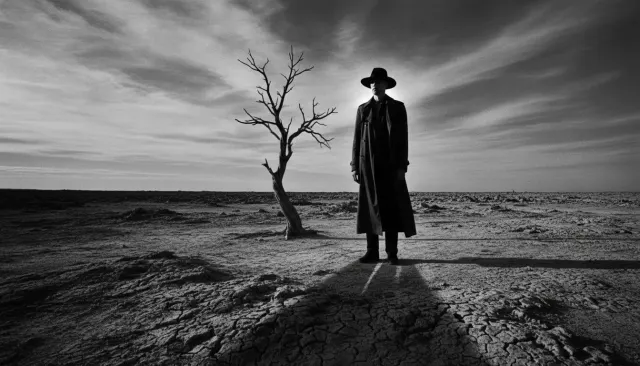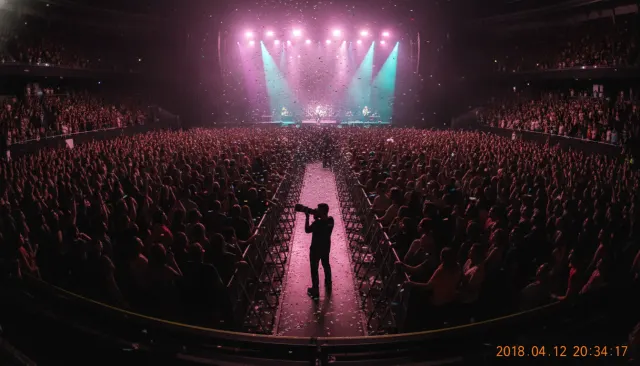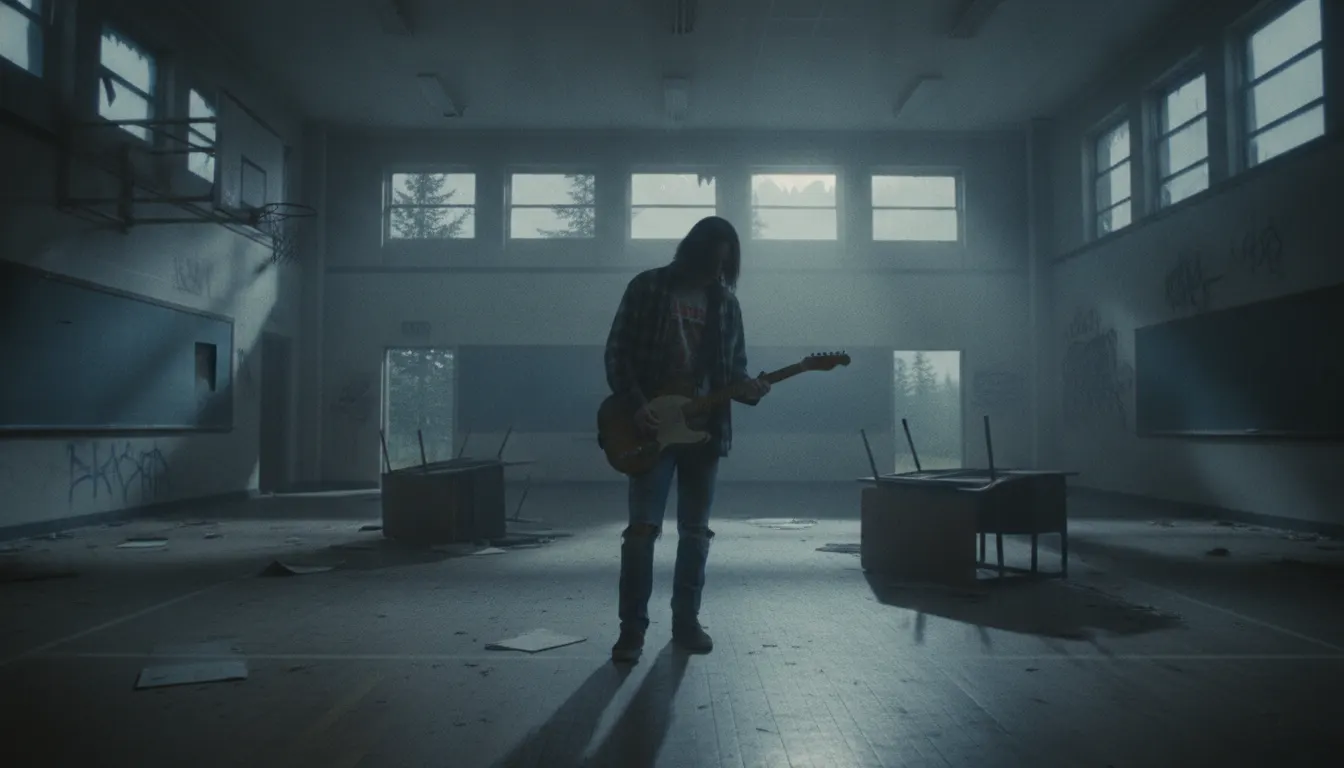
Nirvana, 'Smells Like Teen Spirit' dir. Sam Bayer
1991
gymnasium anarchy, the ur-text
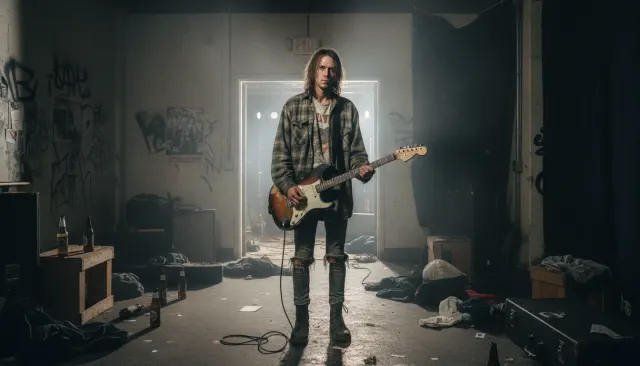
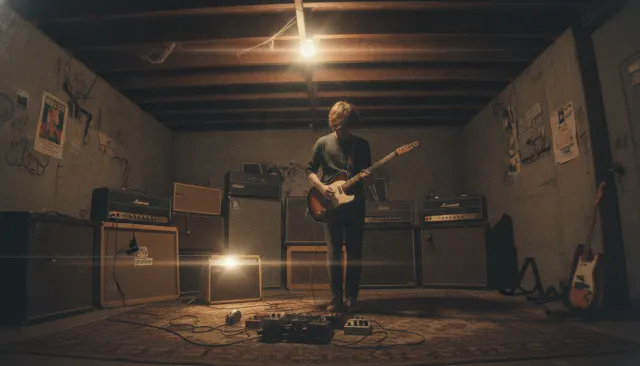
Grunge 90s handheld MV. Nirvana Smells Like Teen Spirit gymnasium, Pearl Jam Jeremy classroom, Pac NW overcast, dirty flannel and ripped jeans.
The moves a human crew would use to get here. Cue applies them for you, and knowing their names is how you ask for a change.
participating rather than observing
fluorescent gymnasiums, rehearsal room fixtures, no glamour sources
gray, flannel brown, institutional green, muted Pacific Northwest light
shirts, Converse - anti-glamour costume as aesthetic declaration
bumped, shaken, losing focus in crowd movement
performance spaces: gymnasium, basement, rehearsal room, parking lot
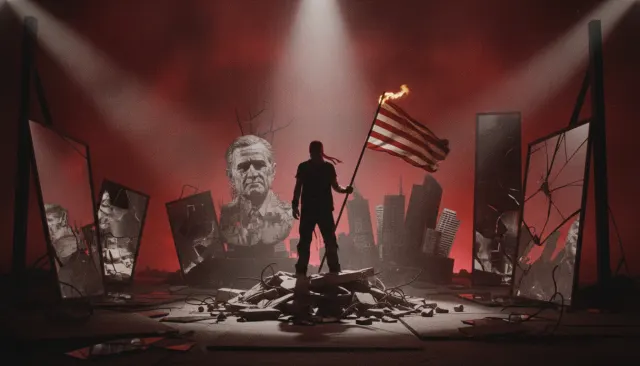
style symbolic intercutting: extreme slow motion, fragmented imagery, high contrast
source practical lighting - no fill, no glamour
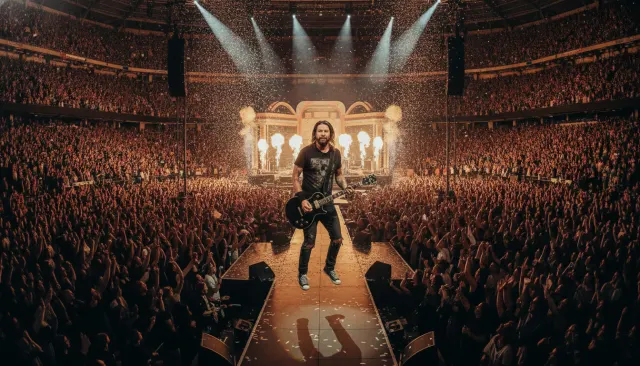
The grunge music video aesthetic of 1991-1997 was founded on a deliberate inversion of 1980s rock video excess. Where hair metal had given MTV pyrotechnics, limousines, and synchronized choreography, grunge responded with a gymnasium, a mosh pit, flannel shirts, and a camera that could barely hold still. This was rejection as aesthetic manifesto.
Sam Bayer's video for Nirvana's "Smells Like Teen Spirit" (1991) is the originating document of the genre. Shot at GMT Studios in Culver City, California, the video staged a school assembly that descends into chaos - cheerleaders with anarchy symbols, janitors moshing, Kurt Cobain in a cardigan under institutional fluorescent light. The camera work was deliberately aggressive: handheld, pushed into the crowd, losing focus in the chaos, using the disorientation of actual mosh pit physics as a visual strategy.
The color palette was institutional and desaturated: gymnasium gray, green fluorescent cast, the brown and red of flannel. No glamour lighting - the only sources were practical gymnasium fixtures and a harsh backlight that silhouetted the band during the chorus. The visual message was inseparable from the musical one: this was not a concert to admire from a distance, it was a physical experience to survive.
Pearl Jam's "Jeremy" (1992, dir. Mark Pellington) took a more formally ambitious approach while maintaining grunge's anti-spectacle ethos. Pellington used extreme slow motion, rapid intercutting, symbolic imagery (the classroom, the gun, the deer), and Eddie Vedder's intense close-up delivery to create a video that felt more like experimental film than rock promotion. The color treatment shifted toward cooler blues and greens - Pacific Northwest light - with high contrast and a fragmented editorial rhythm.
Alice in Chains' "Would?" (1993, dir. Rocky Schenck) and "Down in a Hole" used a similar palette of cool desaturation, extreme close-up performance, and physical discomfort as visual content.
The clothing itself became a visual code: flannel shirts worn open over band t-shirts, Converse or Doc Martens, hair unwashed or barely managed. This was not accidental - it was a class signifier, a Pacific Northwest working-class aesthetic elevated to countercultural uniform. In video terms, it meant that the performer's appearance never competed with the environment; both were equally unglamorous, equally real.
The grunge handheld aesthetic established conventions that persist in indie rock video production today: the performance-in-a-space-that-is-not-a-stage, the handheld camera that participates rather than observes, and the visual grammar of authenticity-through-imperfection.
1991
gymnasium anarchy, the ur-text
1992
symbolic intercutting, cool desaturation
1993
extreme close-up, cool palette
1994
suburban uncanny distortion
1993
hospital-gothic surrealism
1992
1993
grunge handheld template
A Look is not a filter. It is a set of stored decisions the pipeline reads before it makes a single frame, so two videos in the same Look actually match.