Foo Fighters, 'Everlong' dir. Michel Gondry
1997
Super 16, practical effects dreamscape
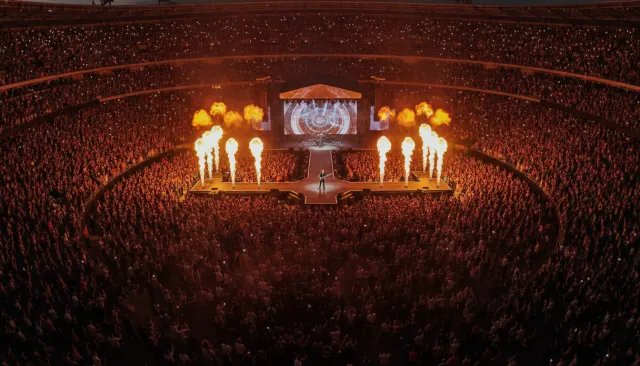
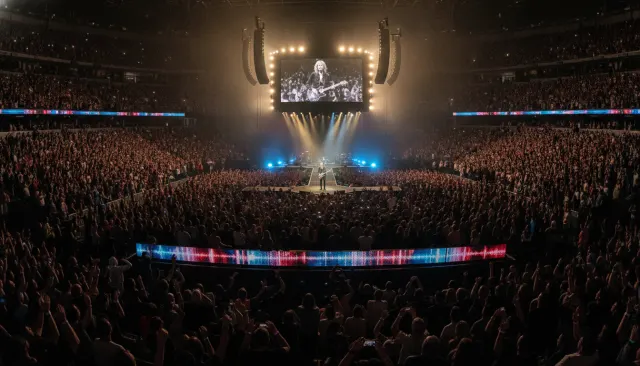
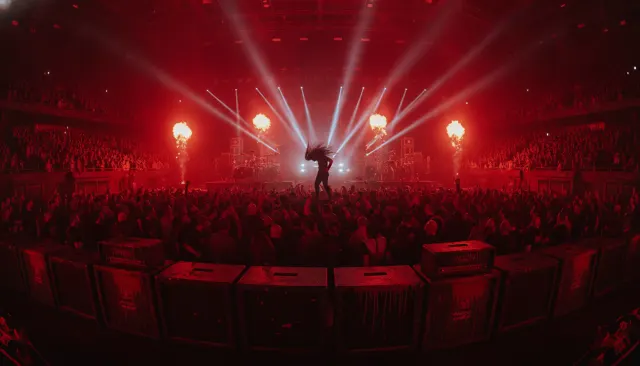
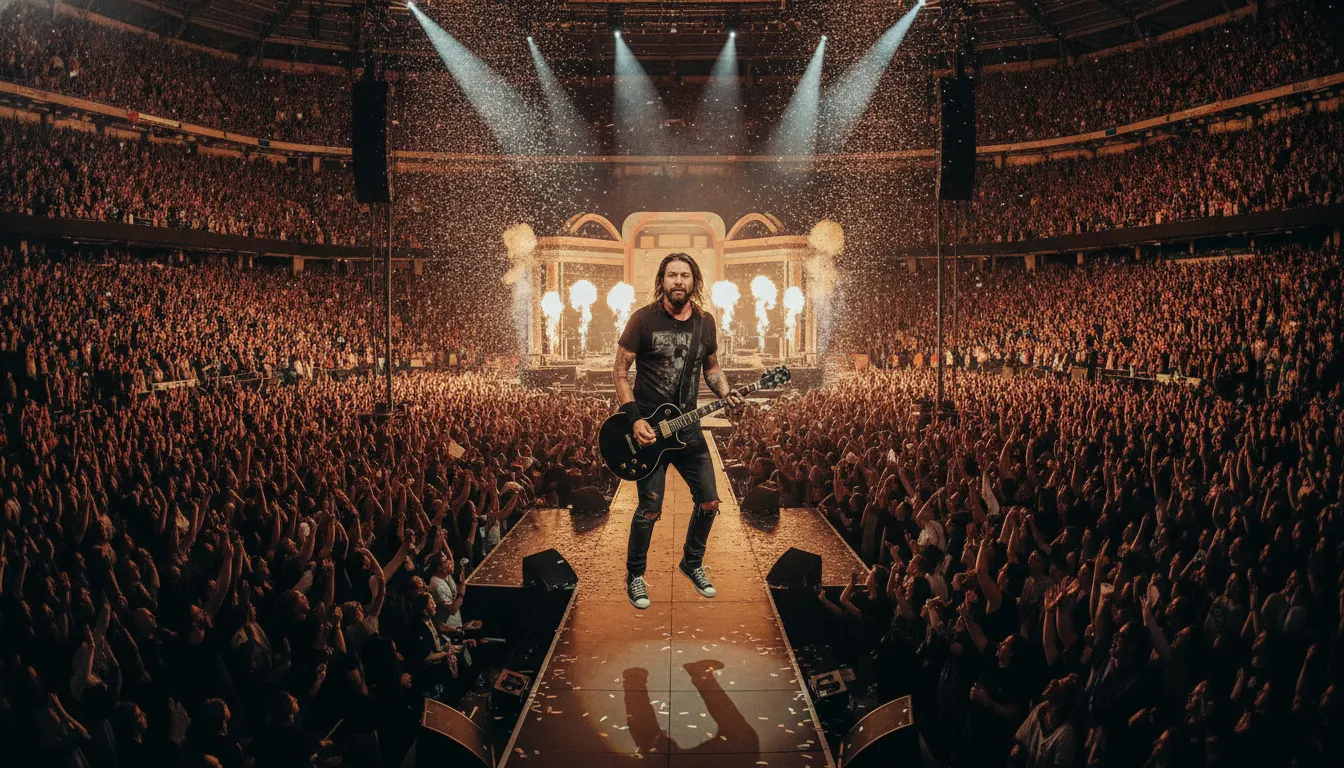
Foo Fighters arena rock MV aesthetic. Dave Grohl crowd-roaring stadium energy, narrative comedy concept Best Of You era, multi-camera live performance with arena lighting.
The moves a human crew would use to get here. Cue applies them for you, and knowing their names is how you ask for a change.
style practical effects: in-camera shrinking, reversed footage, prop-built dreamscapes with no CGI
energy multicam live performance with handheld pit cameras and crane wide-shots
up with physical charisma carrying the shot - extreme foreground presence
driven concept videos with the band playing multiple roles or archetypes
amber color grading for analog warmth - avoiding digital sterility
The Foo Fighters music video canon represents one of rock's most versatile and self-aware visual bodies of work - spanning Michel Gondry's surrealist construction (1997), Sam Brown's cinematic storytelling, and full-scale arena spectacle that positioned Dave Grohl as the last great rock showman for a generation that grew up watching MTV.
Michel Gondry directed "Everlong" (1997), the band's most celebrated video and one of the canonical examples of concept-driven rock video filmmaking. Shot on Super 16mm with Gondry's signature practical-effects dreamscape approach, the video follows Dave Grohl and Taylor Hawkins through a shared nightmare/fantasy involving shrinking hands, sped-up film, and bedroom horror comedy. No CGI - Gondry's aesthetic requires that every effect be physically constructed on camera, a principle that gave the video its handmade surrealist warmth.
"Learn to Fly" (1999) leaned into straight comedy - Dave Grohl, Taylor Hawkins, and Nate Mendel playing multiple roles including flight attendants and passengers on a coffee-spiked disaster flight. The band's willingness to be ridiculous became a signature: their videos never positioned them as untouchable rock gods.
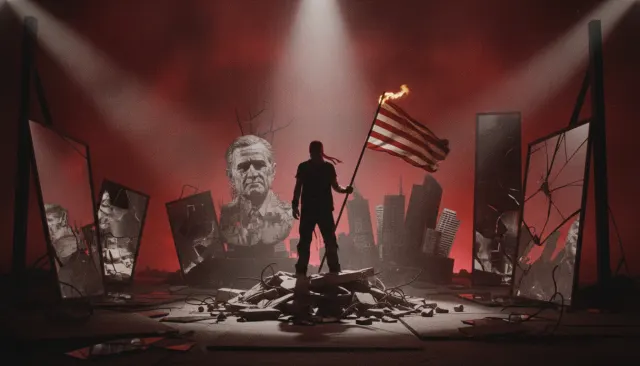
"Best of You" (2005) directed by Mark Pellington used extreme close-ups, handheld urgency, and intercut performance footage with a confessional emotional register that suited the post-9/11 stadium rock moment. The visual vocabulary borrowed from sports broadcasting and hard news - jittery handheld, shallow focus, the performer filling the frame.
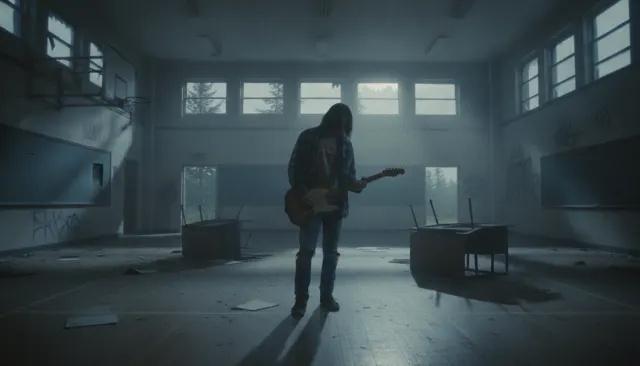
The "Wasting Light" era (2011) stripped back to garage aesthetics - Dave Grohl's own garage, analog recording, Super 8 documentation - in a deliberate return-to-roots gesture. The accompanying visual content matched: grain, warmth, practical light, the tactile presence of actual tape machines.
By the 2010s, Foo Fighters' live video content - including their documentary Foo Fighters: Back and Forth (2011, dir. James Moll) - used the language of arena rock cinematography: multicam, crane shots, pyrotechnic wide-angles, and the iconic Dave Grohl leg-in-cast performance at Milton Keynes (2015). The stadium aesthetic balances raw energy (handheld pit cameras) with grandeur (aerial wide shots of 80,000-capacity crowds).
Dave Grohl as a visual subject is central to the Foo Fighters aesthetic in a way that distinguishes the band from their peers. His physical presence - the long hair, the beard, the forward-hunched intensity at the drum kit in his Nirvana years translated into a guitar-fronting stage persona - is the visual anchor of every video and performance. Grohl's willingness to play to the camera, hold a close-up, or commit fully to the absurdity of a comedy concept (dressing as a flight attendant, road-raging in a car, performing on a broken leg in a purpose-built throne) makes him one of the most camera-natural rock performers of his generation. This is the engine behind the aesthetic's effectiveness: no amount of cinematographic technique substitutes for a performer who is genuinely, legibly having fun.
1997
Super 16, practical effects dreamscape
1999
full-band comedy concept
2005
handheld confessional
2007
police confrontation concept
2011
road rage comedy concept video
2008
arena spectacle reference
2011
documentary visual language
2015
A Look is not a filter. It is a set of stored decisions the pipeline reads before it makes a single frame, so two videos in the same Look actually match.