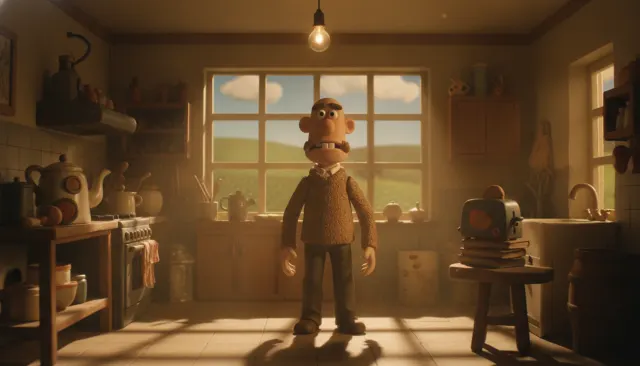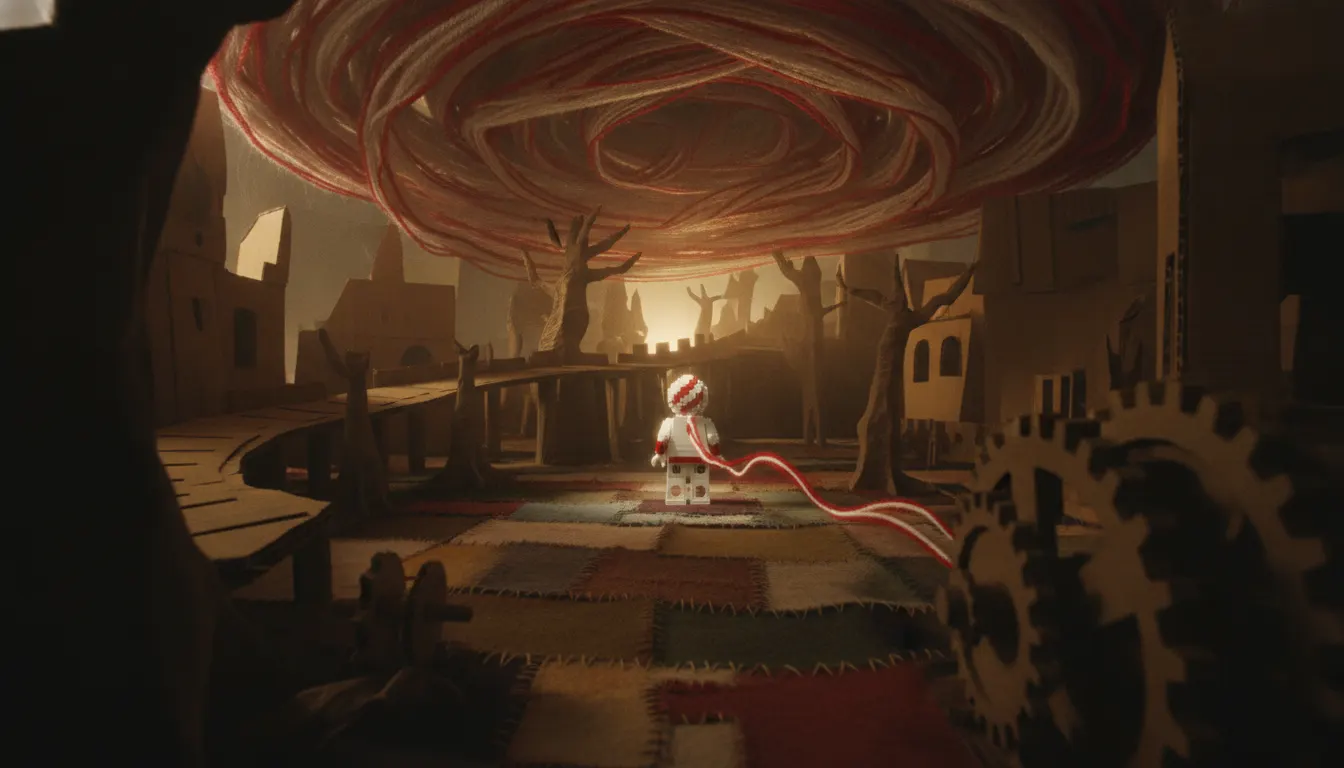
The White Stripes, 'Fell in Love with a Girl' dir. Michel Gondry
2002
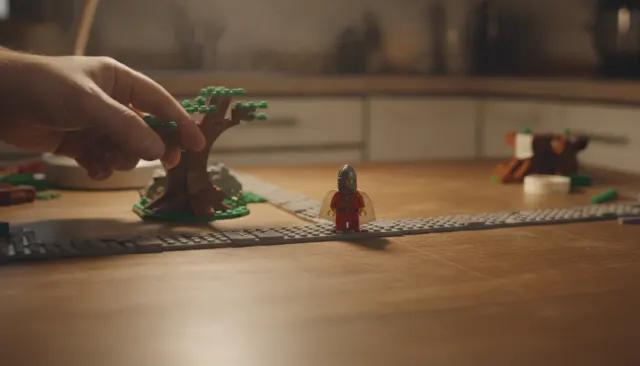
Lego stop-motion
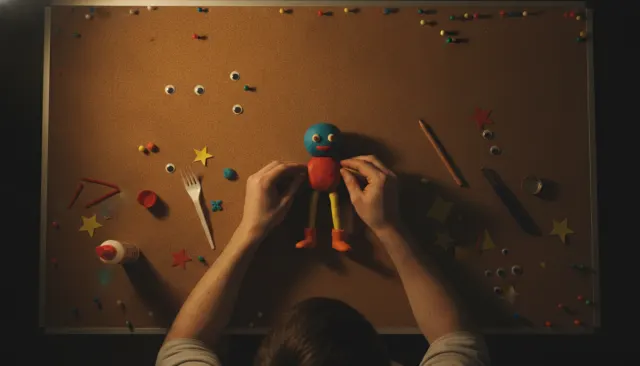
Michel Gondry handmade craft MV. Cardboard sets, in-camera tricks, stop-motion yarn, White Stripes Lego, Bjork sewing-machine intimacy.
The moves a human crew would use to get here. Cue applies them for you, and knowing their names is how you ask for a change.
camera practical effects: every visual effect constructed physically and filmed - no digital simulation
motion construction with real objects: Lego, cardboard, found materials as primary medium
the illusion of size created through physical staging
rear projection, painted backdrops, stage curtains, visible construction mechanics
fast/slow motion, reversed footage, time-lapse as primary effects toolbox
the Gondry signature is that you can see how it was done
choreography or visual rhythm that directly corresponds to the track's architecture
Michel Gondry is the most influential European director in music video history and the filmmaker most responsible for establishing the handmade practical-effects aesthetic as a legitimate and aspirational visual tradition. His fundamental creative principle is deceptively simple: make the impossible happen through physical construction rather than digital simulation. The seam between the real and the magical should be visible, because that seam is where the emotional charge lives.
The White Stripes' "Fell in Love with a Girl" (2002) is Gondry's most immediately recognizable work and the clearest statement of his DIY thesis. The entire video was constructed from actual Lego bricks - a stop-motion animation built brick by brick, frame by frame, over several weeks of production. The White Stripes themselves were represented as Lego figures; the performance footage was recreated in brick.
The creative decision was not merely a stylistic choice but a theoretical one: by making the construction medium completely visible, Gondry positioned the video as a record of human effort rather than technological capability. Every frame contained the evidence of a hand placing a brick. The video cost more than a conventional live-action production would have - it was not cheap, but it was handmade.
Björk became Gondry's most fertile collaborative partner, producing a body of videos that constitute the most important body of visual work in 1990s music video. "Bachelorette" (1997) was a Russian nesting-doll narrative - a woman whose story becomes a book becomes a play becomes a story within the story - constructed through practical stage machinery, rear projection, and forced perspective. The visual world was entirely physical: stage curtains, painted backdrops, theatrical lighting.
Other Gondry-Björk collaborations include "Human Behaviour" (1993, the opening collaboration), "Army of Me" (1995, industrial construction sequence), and "Jóga" (1997, combining Icelandic aerial photography with live-action performance in a way that was technically unprecedented).
"Around the World" (dir. Gondry, 1997) used the musical structure itself as visual architecture: five distinct groups of dancers (robots, mummies, swimmers, skeletons, astronauts) each represented one element of the layered track, moving in patterns that traced the music's structure across a circular stage. No narrative, no concept beyond the structural: see the music made physical.
Foo Fighters' "Everlong" (1997) applied Gondry's practical-effects toolkit to a horror-comedy narrative: hands that grow too large to control, chase sequences through a suburban house that transforms, and the specific uncanny quality of filmed physical impossibility achieved through careful planning rather than digital post-production.
2002
Lego stop-motion
1997
nested theatrical narrative
1997
music-structure choreography
1997
practical-effects dream horror
1993
the first collaboration
1995
industrial stop-motion
2002
train window landscape sync
2002
accumulating split-screen loop
A Look is not a filter. It is a set of stored decisions the pipeline reads before it makes a single frame, so two videos in the same Look actually match.