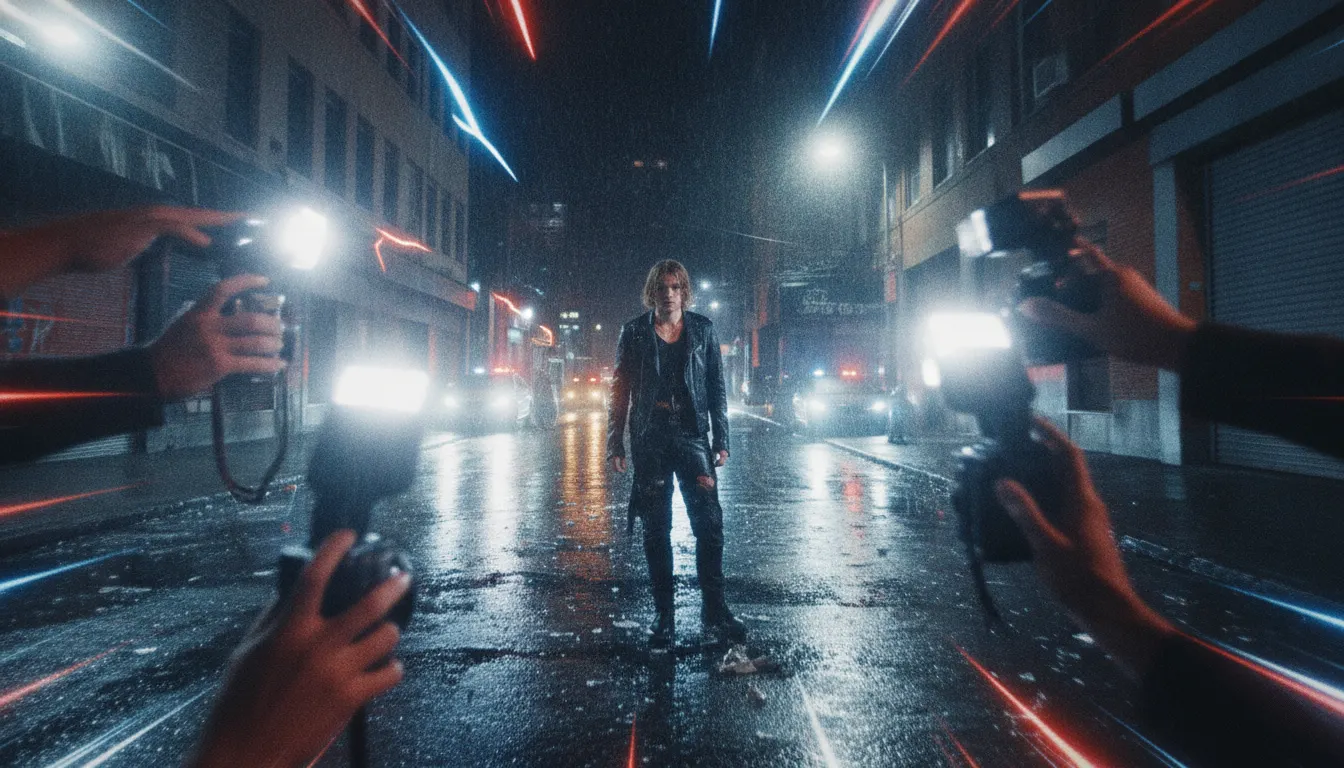
The Prodigy, 'Smack My Bitch Up' dir. Jonas Åkerlund
1997
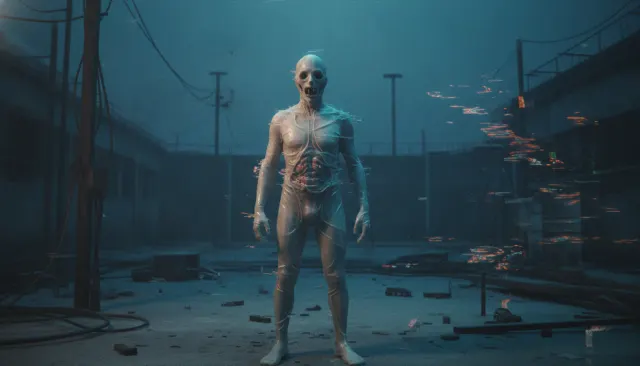
POV debauchery, strobe apogee
Jonas Akerlund chaos MV. Madonna Ray of Light strobe edit, Smack My Bitch Up first-person POV, Paparazzi crash, kinetic seizure cuts.
The moves a human crew would use to get here. Cue applies them for you, and knowing their names is how you ask for a change.
fragmenting movement, disrupting temporal continuity
30 cuts per minute during peak sequences, synchronized to BPM
person POV camera with physical intimacy and subjective instability
not commercial orange-teal but a richer, more individual chromatic palette
contrast single-source hard light with deep shadow areas, no fill
lapse and hyperlapse overlaid or composited with performance footage (Ray of Light technique)
bumped, disoriented, losing and regaining subject
Jonas Åkerlund is the most consistently provocative major director in music video history - a former drummer for the Swedish black metal band Bathory who became the medium's most technically accomplished and morally adventurous practitioner. His aesthetic is built on controlled chaos: hyper-fast editing, strobe light used as narrative device, and a willingness to push content to and past the edges of broadcast tolerance.
The Prodigy's "Smack My Bitch Up" (1997) is Åkerlund's most celebrated and most controversial work. Shot from a first-person perspective through an entire night of debauchery - drugs, sex, violence, all rendered with the immediacy of a handheld POV - the video used editing pace and physical camera movement to create the experience of dissociation and intoxication. The famous final reveal - that the POV character is a woman - was constructed through precise costume control and editorial misdirection.
The strobe light in the club sequences was used not as decoration but as a narrative tool: it fragmented movement, disrupted continuity, and produced the specific visual experience of a nightclub at maximum intensity. The edit rate during these sequences exceeded 30 cuts per minute, creating a rhythmic violence that matched the track's BPM.
Madonna's "Ray of Light" (dir. Åkerlund, 1998) demonstrated the opposite pole of his range: a time-lapse-and-hyperlapse visual essay on urban life, spiritual transformation, and movement, using overcranked wide-angle footage of Tokyo and London to create a vision of the city as a living organism. The color palette was rich, saturated, and warm - the opposite of the cool digital look that was becoming dominant in late-1990s video production. Åkerlund used the Avid's new compositing capabilities to layer time-lapse sequences in ways that felt genuinely novel.
Åkerlund's long relationship with Rammstein produced some of his most extreme content. "Pussy" (2009) was explicitly pornographic and could not be broadcast on conventional channels, circulating online instead. "Mein Teil" (2004) used imagery drawn from the Armin Meiwes cannibal murder case. These videos required distribution strategies (internet, unrated DVD) that anticipated the post-broadcast era by a decade.
Åkerlund's visual signature includes a specific lighting approach: very high-contrast, often single-source hard light with deep shadow, combined with practical strobes and LED rigs that he treats as primary lighting instruments rather than effects. His post-production palette favors deep, saturated colors - not the warm orange-teal of commercial grading but a richer, less predictable chromatic palette.
1997
POV debauchery, strobe apogee
1998
hyperlapse spiritual transformation
2000
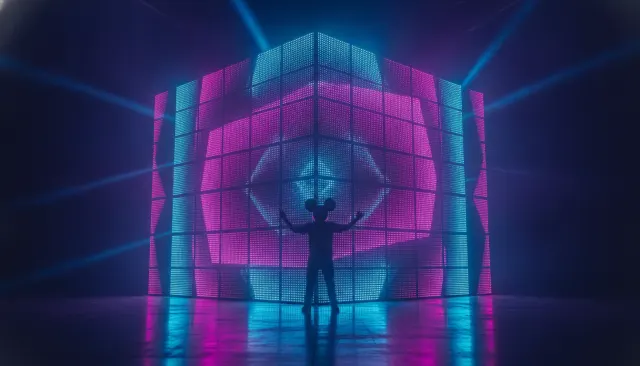
luxury comedy concept
2004
transgressive industrial narrative
2009
internet-distributed extreme content
1998
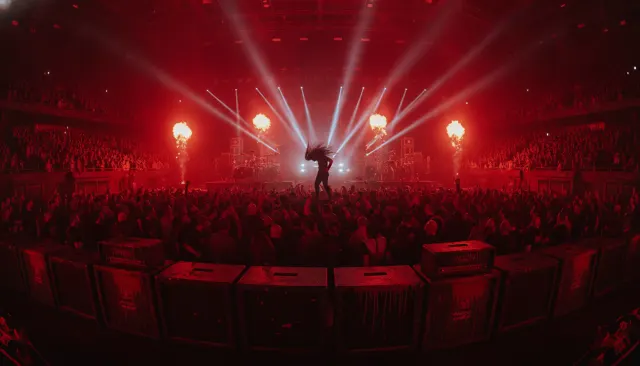
concert chaos
2001
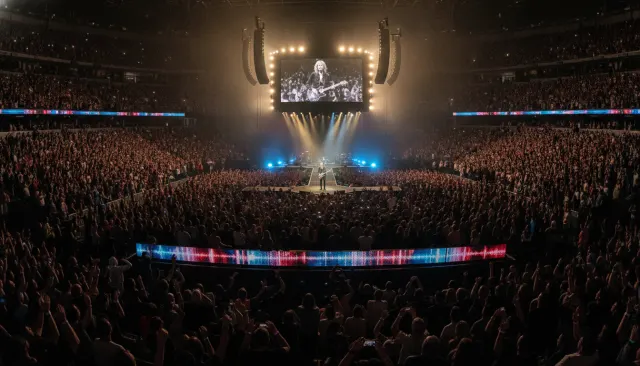
arena rock kinetic
2001
A Look is not a filter. It is a set of stored decisions the pipeline reads before it makes a single frame, so two videos in the same Look actually match.