Aphex Twin
Come to Daddy (1997, dir. Chris Cunningham)
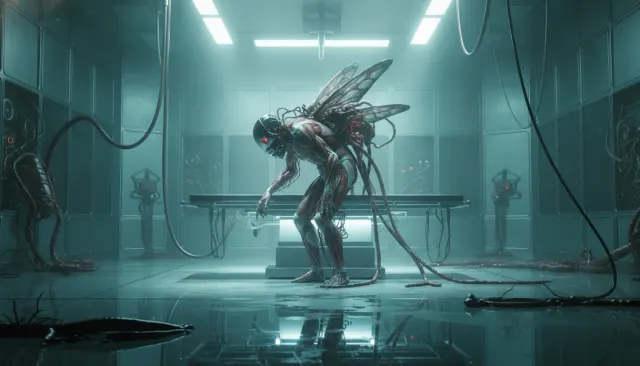
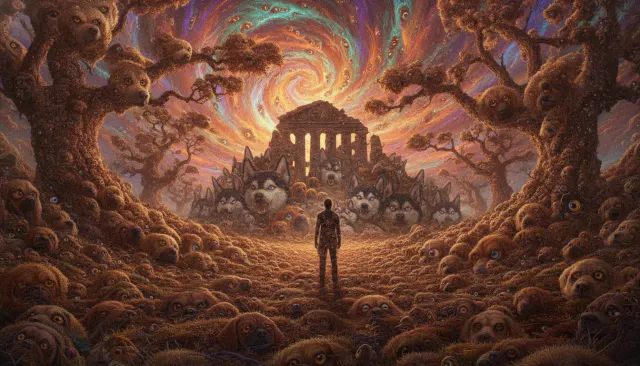
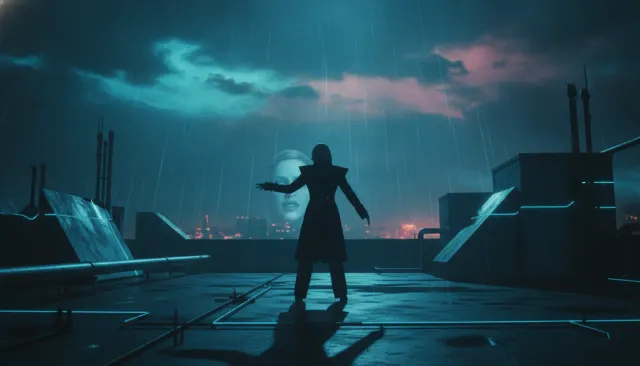
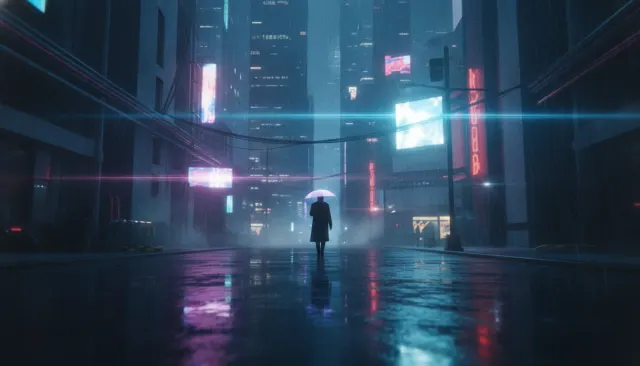
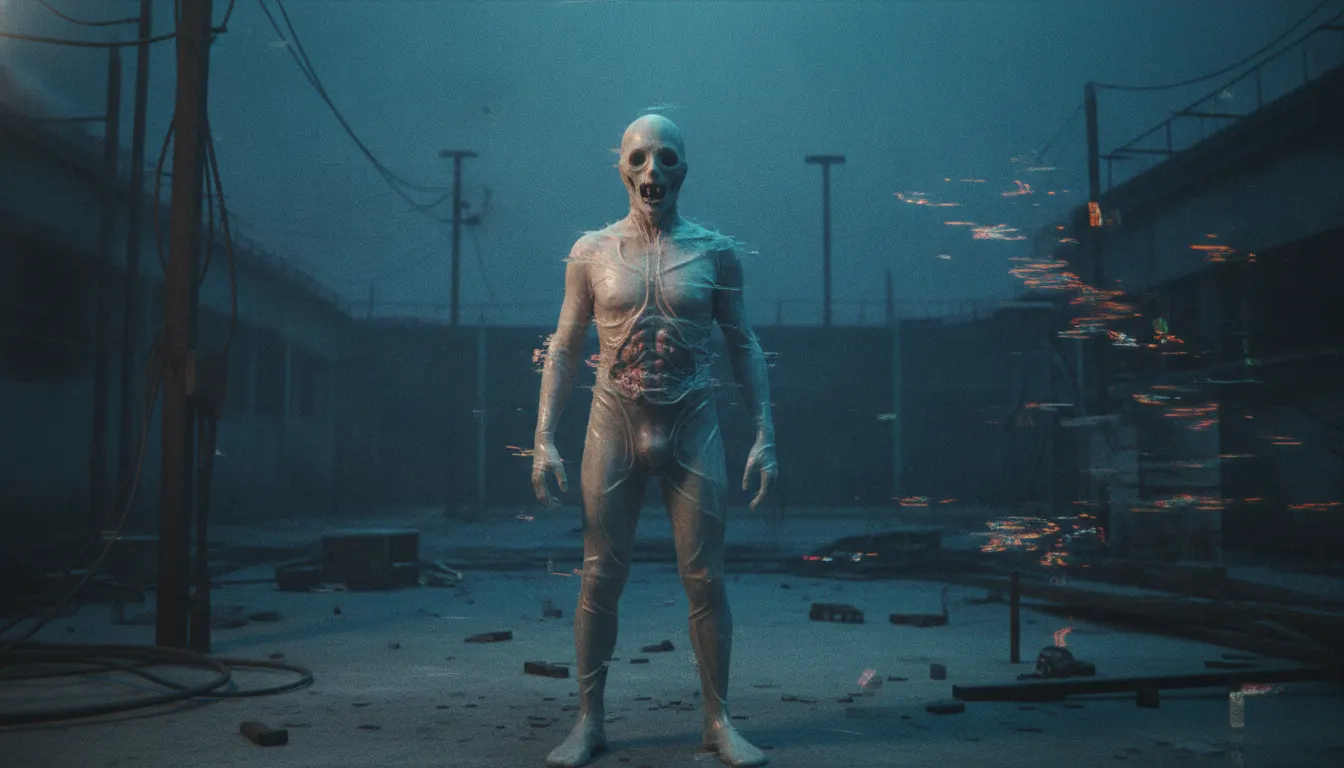
Chris Cunningham nightmare MV. Aphex Twin Come To Daddy uncanny faces, Windowlicker distortion, latex prosthetic body horror, CRT glitch.
The moves a human crew would use to get here. Cue applies them for you, and knowing their names is how you ask for a change.
Soviet estate, or sterile white laboratory environments as alienation geography
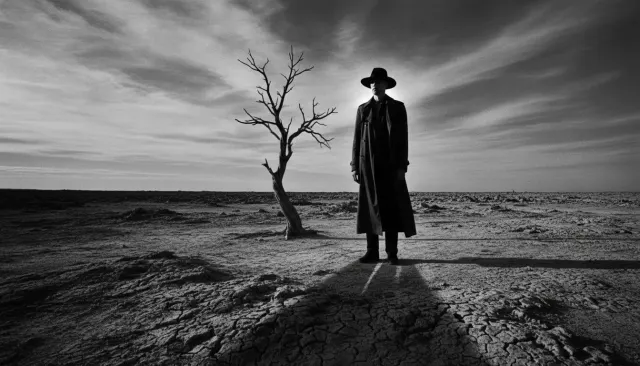
contrast desaturated or near-monochrome color science with harsh directional lighting
beat level to create neurological lock-in
faces, bodies, or gestures that are almost-human but specifically and deliberately wrong
Chris Cunningham is the British director who pushed the music video form closest to the territory of experimental horror film during the late 1990s and early 2000s. His work - primarily for Aphex Twin and Björk - defined a glitch-horror visual language that used digital corruption, body modification, industrial environments, and absolute psychological unease as its operating vocabulary.
Come to Daddy (Aphex Twin, 1997) is the founding document: a group of children with Richard D. James's face projected onto their heads terrorize an elderly woman on a desolate housing estate, culminating in the emergence of a screaming monster from a disused television. Shot in desaturated, almost monochromatic tones with extreme contrast, the video's visual horror derives not from conventional threat but from the specific wrongness of the children's composite faces - an early example of what would later be named the uncanny valley operating at maximum distress.
Windowlicker (Aphex Twin, 1999) extended the horror grammar in a different direction: a parody of hip-hop lifestyle videos (poolside Hummer, bikini-clad women) where every female face is gradually revealed to be Richard D. James's face warped to fit feminine body structures. The color is warm and deliberately conventional - matching the hip-hop video language it parodies - making the facial horror more deeply disturbing by contrast.
All Is Full of Love (Björk, 1999) represents Cunningham's capacity for glitch beauty rather than horror: two Björk-faced robots assembling each other in a white sterile environment, their mechanical bodies achieving a transcendent physical intimacy. The white porcelain robotics and the serenity of the action created an entirely different register - but the same fundamental uncanny body relationship.
Cunningham also directed Flex (Aphex Twin, 1995), Only You (Portishead, 1998), and Come On My Selector (Squarepusher, 1997) - the last of which was reportedly banned by the BBC for its violent content.
Cunningham's signature elements: digital video artifacts and CRT scan-line textures treated as aesthetic material; body modification or prosthetic work that makes human anatomy feel malleable and threatening; industrial, post-Soviet, or social housing estate locations as geography of alienation; high-contrast monochrome or heavily desaturated color science; extremely slow or extremely fast editing - never the rhythm of music, always the rhythm of dread or ecstasy; and a complete refusal of pop video legibility.
Come to Daddy (1997, dir. Chris Cunningham)
Windowlicker (1999, dir. Chris Cunningham)
All Is Full of Love (1999, dir. Chris Cunningham)
Come On My Selector (1997, dir. Chris Cunningham)
Only You (1998, dir. Chris Cunningham)
Flex (1995, dir. Chris Cunningham)
Frozen (1998, dir. Chris Cunningham)
Afrika Shox (1999, dir. Chris Cunningham)
A Look is not a filter. It is a set of stored decisions the pipeline reads before it makes a single frame, so two videos in the same Look actually match.