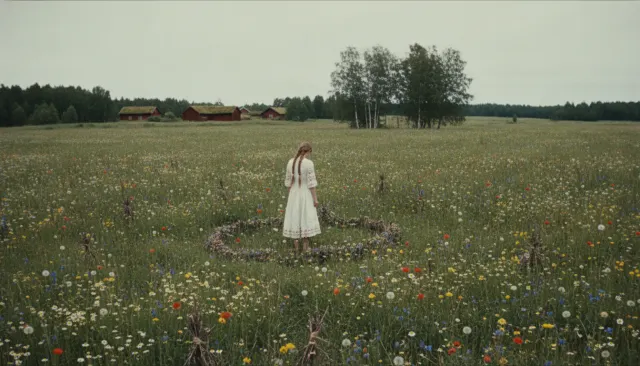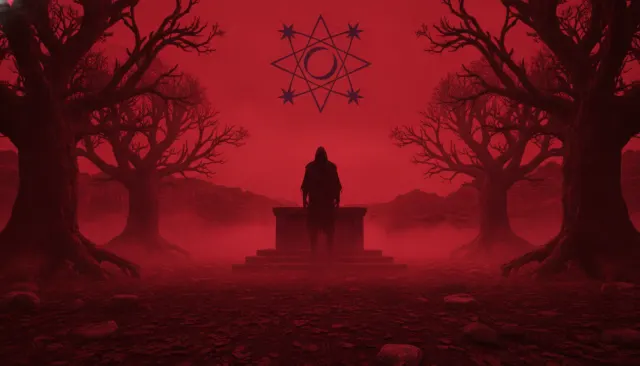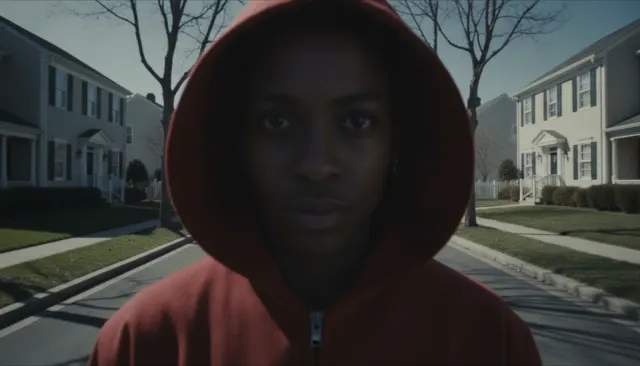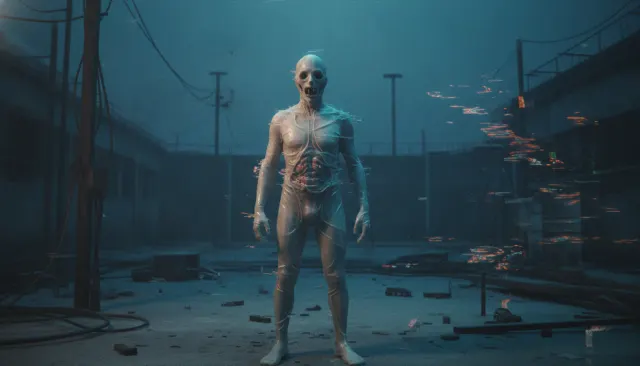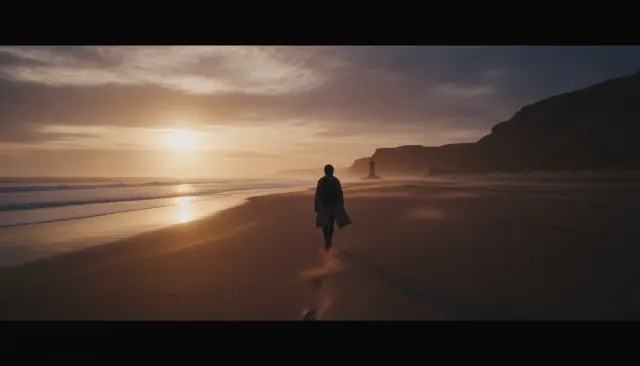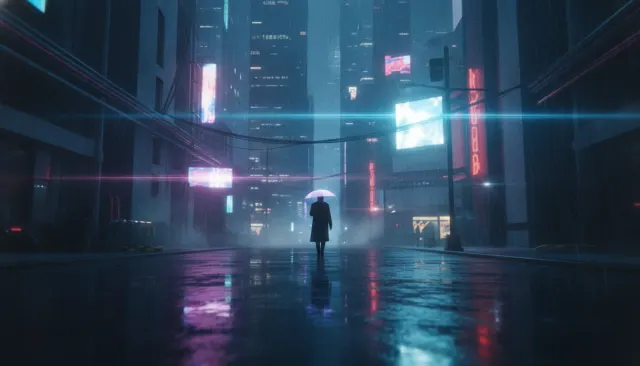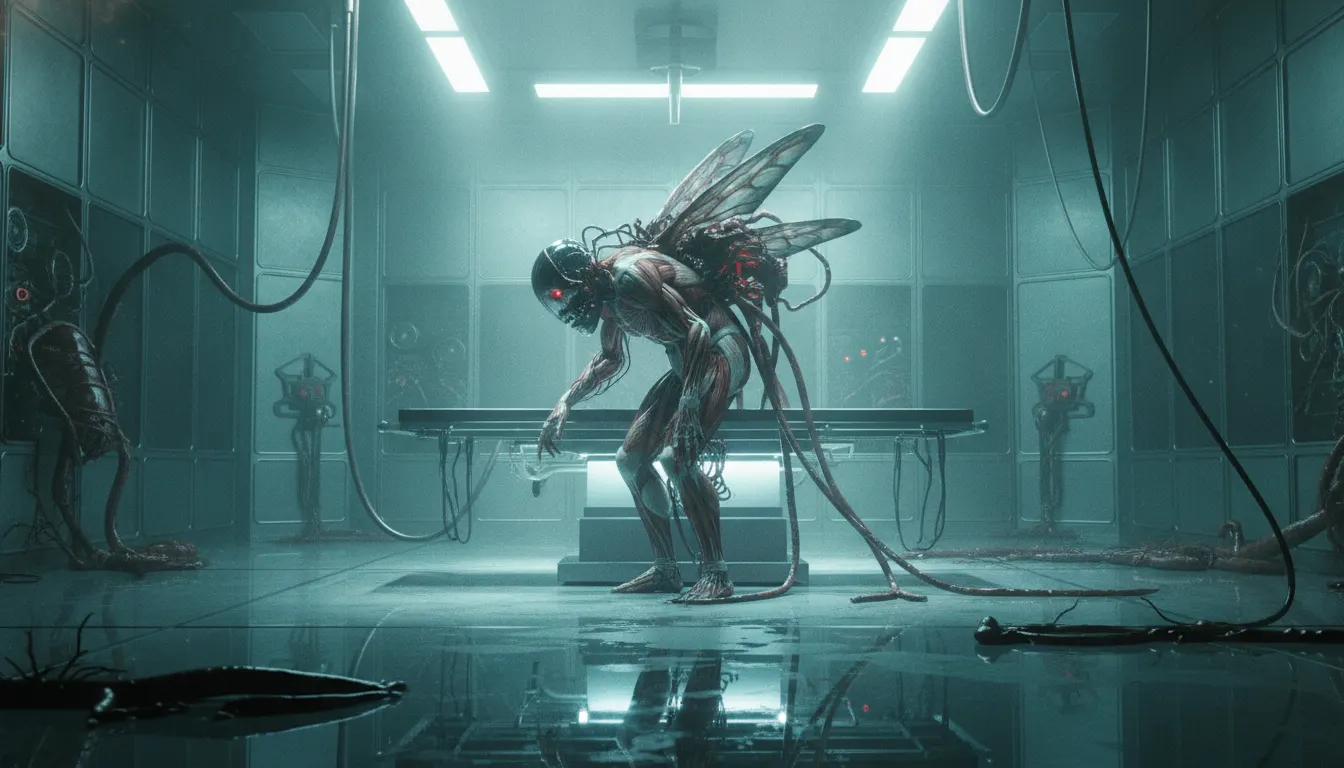
The Fly
David Cronenberg / Mark Irwin (DP) · 1986
Masterwork of transformation cinematography; scientific documentation grammar
David Cronenberg clinical body horror. The Fly transformation, Crash chrome-and-flesh, Videodrome veined screen, surgical fluorescent precision.
The moves a human crew would use to get here. Cue applies them for you, and knowing their names is how you ask for a change.
Cool, neutral fluorescent or daylight sources that illuminate transformation and surgery with clinical impartiality.
Transformation and biological material photographed with the framing convention of scientific documentation, not horror reaction.
Industrial and biological surfaces lit identically, refusing visual distinction between human tissue and manufactured material.
Pre- and post-transformation spaces shot in the same lighting, making horror visible through fact rather than visual contrast.
Camera placed and held for maximum clarity; no crash-zoom or pushed handheld that would signal the camera's distress.
Light sources always plausibly motivated within the scene - laboratory fluorescents, window daylight - maintaining scientific realism.
David Cronenberg is the Canadian director whose 'body horror' films - from Shivers (1975) through Videodrome (1983), The Fly (1986), Naked Lunch (1991), Crash (1996), and Crimes of the Future (2022) - constitute the most coherent and uncompromising exploration of biological anxiety in cinema history. His visual grammar is defined by clinical precision: surgical fluorescent light, chrome medical instruments, visceral transformation processes photographed with the dispassionate exactitude of a medical documentary.
Cronenberg's cinematographic choices are inseparable from his philosophical position: the body is not sacred but technological, mutable, and grotesque. The clinical camera registers transformation - cellular, viral, mechanical - without flinching and without expressionistic distortion. Where conventional horror uses low-key lighting, extreme angles, and heightened color to signal unease, Cronenberg uses neutral light and steady framing. The horror is in the fact of what is happening, not in the camera's reaction to it.
This aesthetic was established in collaboration with cinematographers Mark Irwin (Videodrome, The Fly) and Peter Suschitzky (Naked Lunch, Crash, eXistenZ, A History of Violence, Eastern Promises, Crimes of the Future). Suschitzky, who has been Cronenberg's primary collaborator since 1991, describes their shared approach as 'honest photography' - the camera placed where it can see most clearly, lit so that every detail of the material in front of the lens is visible.
Videodrome is Cronenberg's most explicit statement of his visual philosophy: television signals mutate human biology, and the protagonist's torso opens to receive a videocassette. The transformation effects (designed by Rick Baker and Michael Lennick) were photographed with the same neutral, motivated lighting as the domestic scenes that precede them - the same fluorescent kitchen light that illuminated conversation now illuminates surgery. The horror derives from continuity rather than contrast.
The Fly is the masterwork of Cronenberg's transformation cinematography. Jeff Goldblum's progressive metamorphosis was photographed as biological documentation: close-ups of cellular change, medical-specimen framing of physical mutation, the scientist's own dispassionate observation of his deteriorating body turned into camera strategy. Mark Irwin's fluorescent-heavy laboratory lighting maintained scientific register throughout the transformation sequence.
Crash introduced Cronenberg's cold chrome-and-flesh palette: automobile metal and human skin as equivalent surfaces, both photographed in the same cool clinical light. The film's erotic charge derives precisely from this visual equivalence - the camera's refusal to distinguish between industrial and biological material.
Cronenberg's return to body horror after 20 years deployed Peter Suschitzky's clinical grammar in a decayed future cityscape (filmed in Athens) where surgical performance has become entertainment. The film was shot on ARRI Alexa with minimal supplementary lighting - mostly available source augmented with soft fill - maintaining the honest-photography principle across near-future locations.
David Cronenberg / Mark Irwin (DP) · 1986
Masterwork of transformation cinematography; scientific documentation grammar
David Cronenberg / Mark Irwin (DP) · 1983
Screen-flesh synthesis; domestic fluorescent as horror light
David Cronenberg / Peter Suschitzky (DP) · 1996
Chrome-flesh equivalence; erotic cold industrial grammar
David Cronenberg / Peter Suschitzky (DP) · 1991
Burroughs adaptation; Interzone clinical-surreal visual environment
David Cronenberg / Peter Suschitzky (DP) · 2022
Cronenberg's return; available-light clinical grammar in ruined Athens
David Cronenberg / Peter Suschitzky (DP) · 1999
Organic game console; flesh-and-technology interface in clinical register
David Cronenberg / Peter Suschitzky (DP) · 1988
Twin gynecologists; sterile clinical horror at its most formally pure
A Look is not a filter. It is a set of stored decisions the pipeline reads before it makes a single frame, so two videos in the same Look actually match.