Kanye West 'Welcome to Heartbreak' dir. Nabil Elderkin (2008/released 2009)
mainstream datamosh landmark
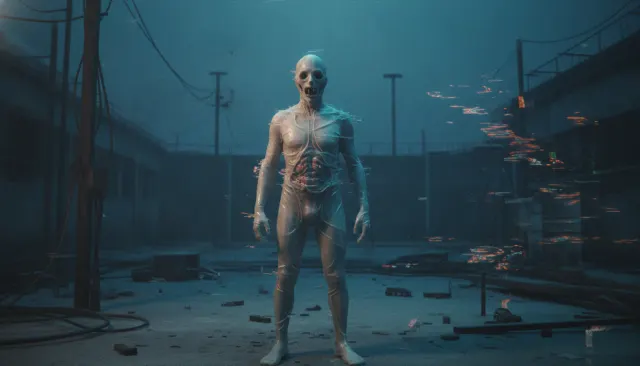
Pixel-sorted color cascades. Horizontal rows resorted by luminance, datamosh i-frame removal smears motion across the frame for hallucinatory bleed.
The moves a human crew would use to get here. Cue applies them for you, and knowing their names is how you ask for a change.
removing key frames from H.264/MPEG-4 stream causes motion-vector extrapolation smear between shots
frame ghosting: multiple subjects occupying the same pixel space as motion estimation fails to update
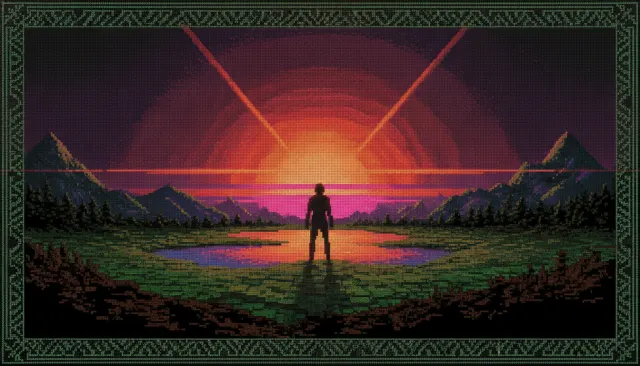
rows or columns sorted by brightness value, creating horizontal streaks
RGB channels shifted independently (3-20px) creating fringe artifacts at edges
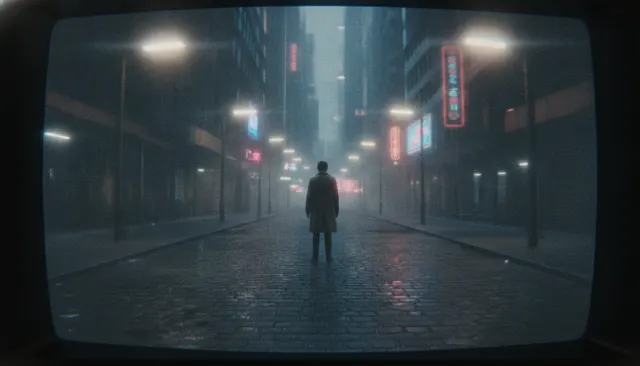
intentional heavy quantization causing block/macroblock fragmentation
mixing different frame rates creates temporal ambiguity and judder between glitch and clean
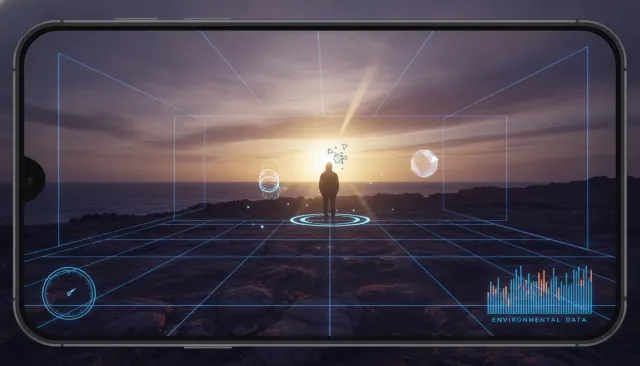
clean static background with moshed moving subject using masking for compositional control
Datamoshing exploits the motion-estimation compression architecture of video codecs. H.264, MPEG-4, and similar standards encode video as a mixture of I-frames (complete image snapshots) and P-frames/B-frames (difference data describing how pixels moved from the previous frame). When I-frames are removed from a video stream, the decoder has no reference snapshot to reset to - it keeps extrapolating from the previous state using only motion vectors, causing ghosting, smearing, and liquefied pixel 'mosh' in regions of motion. The technique was systematically explored by German coder Sven König, whose AviSynth script 'videogoose' (2007) made I-frame deletion accessible; his Vimeo demonstrations circulated widely in 2007-2008.
The aesthetic entered mass visual culture through two landmark music videos. Nabil Elderkin directed Kanye West's 'Welcome to Heartbreak' (2008, released February 2009), which used heavy datamoshing to create celebrity-face liquefaction and color-smear transitions. The same year, Chairlift's 'Evident Utensil' (directed by Ray Tintori, 2009) applied datamoshing with meticulous compositional control, using the smear to create subject substitutions - one person's pixels dissolving into another's body. Both videos were immediate reference points for the visual internet and drove widespread imitation.
Pixel sorting is a distinct but related glitch technique developed most visibly by Kim Asendorf, whose 2010 JavaScript Processing sketch 'pixel-sort' sorted pixels within rows or columns by luminance, hue, or saturation value, creating streaking 'waterfall' artifacts that extend bright or dark regions horizontally or vertically across the frame. The ASDFPixelSort tool by Kim Asendorf and later adaptations in Glitch! (iOS), the After Effects Pixel Sorter plugin by aescripts+aeplugins, and standalone Python scripts (using PIL/Pillow) made it widely accessible from 2012 onward. Rosa Menkman's 'A Vernacular of File Formats' manifesto (2010) and her 'Glitch Studies Manifesto' (2010) provided theoretical framing for both techniques as intentional artistic practice rather than error.
The standard datamoshing pipeline uses FFmpeg or AviSynth for I-frame manipulation. The typical workflow: (1) encode source footage to a compatible MPEG-4 or H.264 stream with keyframe interval set to 1 (all I-frames) for the section before the mosh point; (2) at the cut point, remove the I-frame using a hex editor or AviSynth's DeleteFrame function, replacing it with the previous P-frame; (3) re-encode the result. The resulting stream, fed to a decoder, extrapolates motion vectors from the previous scene into the new scene, creating the characteristic smear. Datamosher Pro (Windows/Mac standalone, by Surreal Machines) automates this without requiring command-line tools. The ffglitch framework by Ramiro Polla provides a scriptable JSON-based system for manipulating codec motion vectors directly.
Both techniques have been absorbed into mainstream motion design as stylistic tools. Datamosh appears in genre music (hyperpop, PC Music), contemporary R&B, and fashion brand videos; pixel sorting is common in gaming thumbnails, esports branding, and experimental music packaging. The underlying codec manipulation is now automated in tools including Datamosher Pro, the ffglitch framework, and Resolume Avenue's built-in glitch generators. The After Effects plugin 'Pixel Sorter 2' by aescripts+aeplugins (2017, updated 2022) brought pixel sorting into standard motion design workflows, making the technique accessible to broadcast designers without programming knowledge.
mainstream datamosh landmark
2009
meticulous compositional datamosh, widely studied
2007
technical origin of accessible datamoshing
2010
origin of pixel sorting as intentional technique
2010
theoretical framework
2013
glitch aesthetic in ambient electronic context
2010
datamosh elements in witch house / electronic music video
pixel sorting and compression artifacts in experimental music
A Look is not a filter. It is a set of stored decisions the pipeline reads before it makes a single frame, so two videos in the same Look actually match.