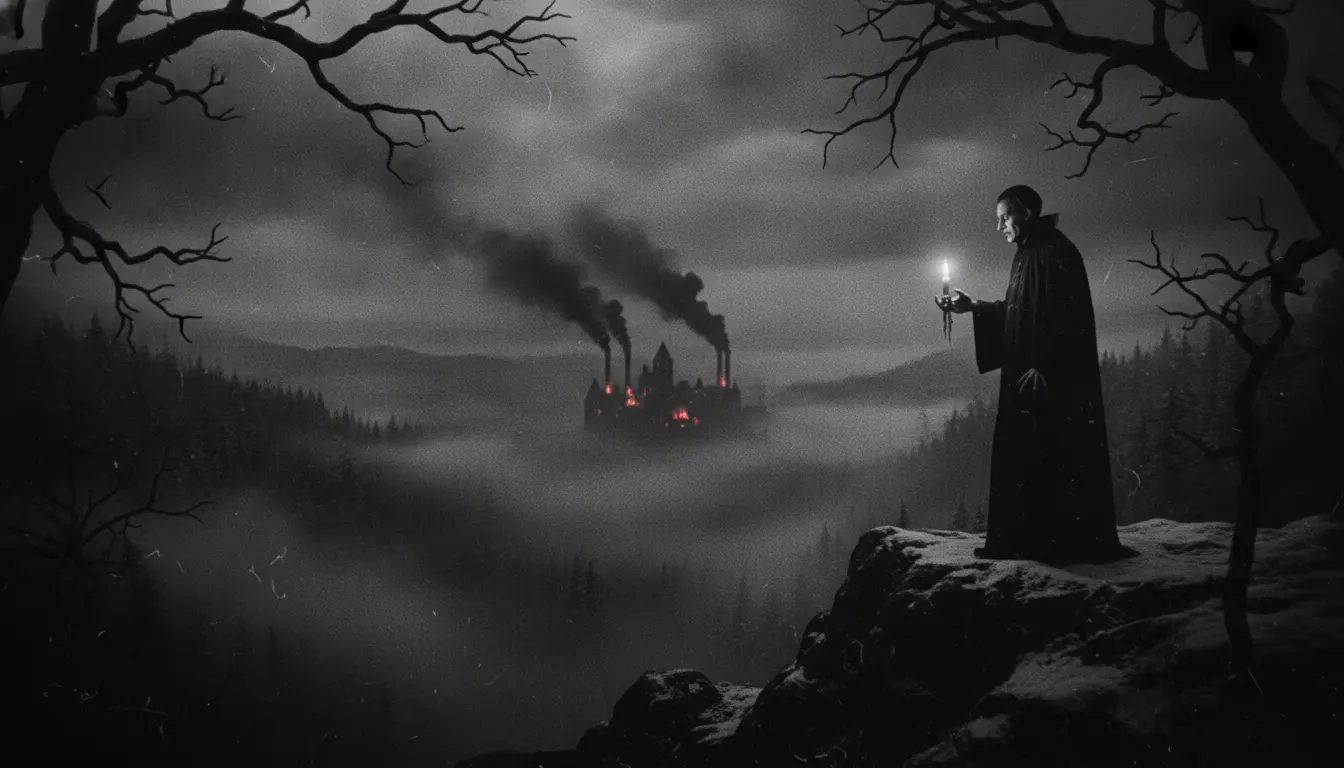
The Witch
Robert Eggers / Jarin Blaschke · 2015
Puritan New England; flat overcast daylight and tallow candle interiors; definitive folk horror
Robert Eggers period-accurate dread. The Northman Viking saga, Jarin Blaschke 1.85 monochrome, candle-and-fire-only light, archaic dialect.
The moves a human crew would use to get here. Cue applies them for you, and knowing their names is how you ask for a change.
All illumination justified by in-period practical sources: tallow candles, hearth fires, torch, lantern.
Exterior scenes shot under flat, overcast sky conditions that drain saturation and create period authenticity.
Environmental atmospheric interference is embraced rather than corrected, creating natural diffusion and depth.
The Lighthouse's 1.19:1 format cites early cinematic exhibition, embedding the image in the period it depicts.
Black-and-white sequences reference the limited spectral sensitivity of early film, skewing tonal relationships.
Wood grain, stone, fabric, and skin retain full physical texture; no digital smoothing.
Robert Eggers has established himself as one of cinema's most rigorous practitioners of period-accurate visual reconstruction. His approach - developed across The Witch (2015), The Lighthouse (2019), and The Northman (2022) - prioritises historical authenticity in light sources, lens character, and colour science, producing images that feel genuinely embedded in the periods they depict rather than costumed approximations of them.
Eggers and his cinematographic collaborators - Jarin Blaschke shot all three films - undertake intensive historical research before committing to visual choices. For The Witch, set in 1630s New England, Blaschke and Eggers studied Rembrandt, Vermeer, and the actual visual culture of Puritan settlements: tallow candles, open-hearth fires, and the grey-white diffusion of overcast North American forest light. The result is an image built almost entirely from motivated sources, with daylight scenes dominated by flat, overcast grey-white illumination that drains colour from saturated surfaces.
The Lighthouse pushed further: shooting on orthochromatic-style black and white (using modern digital sensors graded to approximate orthochromatic panchromatic film of the 1890s-1920s) in a 1.19:1 aspect ratio that evokes the Movietone format used at the dawn of cinema. The harsh, unpredictable lighting of a real lighthouse location in Nova Scotia, combined with Blaschke's deliberate use of practical lantern and flame sources, gives the film a period truthfulness that digital lensflare correction would have destroyed.
The Northman (2022) addressed Viking-era Scandinavia, working with anthropologists and historians to ensure that firelight, overcast sky light, and the specific grey-green of Nordic landscapes were represented accurately. Director of photography Blaschke used anamorphic lenses but with the sphere and aberration characteristics of early wide-format optics.
Across all three films, fog and atmospheric haze are used not decoratively but as environmental truth. New England coastal fog, Nova Scotia gale conditions, and the smoke-filled longhouses of Norse sagas all produce natural diffusion that shapes the available light before any filmmaking decision is made. Eggers embraces these environmental facts rather than correcting for them, and this acceptance of atmospheric interference is central to the aesthetic.
The Eggers-Blaschke approach has influenced a generation of horror and period filmmakers seeking to escape the glossy, controlled cinematography of mainstream studio production. Their work demonstrated that deliberate historical accuracy in lighting can generate genuine dread more effectively than any post-production grade.
Robert Eggers / Jarin Blaschke · 2015
Puritan New England; flat overcast daylight and tallow candle interiors; definitive folk horror
Robert Eggers / Jarin Blaschke · 2019
1.19:1 orthochromatic B&W; lantern and fire practicals; lighthouse Nova Scotia
Robert Eggers / Jarin Blaschke · 2022
Norse Viking era; firelight, fog, overcast Nordic landscape with anamorphic glass
Robert Eggers / Jarin Blaschke · 2024
Gothic 1830s Europe; gaslight and shadow in faithful horror reconstruction
Robert Eggers · 2016
Precursor short demonstrating the natural-light grammar before the feature
Ari Aster / Pawel Pogorzelski · 2019
Peer work: bright overcast Scandinavian daylight used for folk horror disorientation
A Look is not a filter. It is a set of stored decisions the pipeline reads before it makes a single frame, so two videos in the same Look actually match.
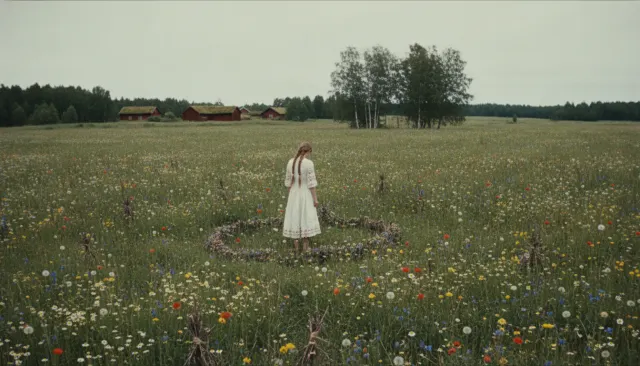 Director Aesthetic ModernAri Aster Folk Horror Eggshell
 Cinematographer AcclaimedPolly Morgan Quiet Place Naturalistic
 CinematographerLubezki Natural Light
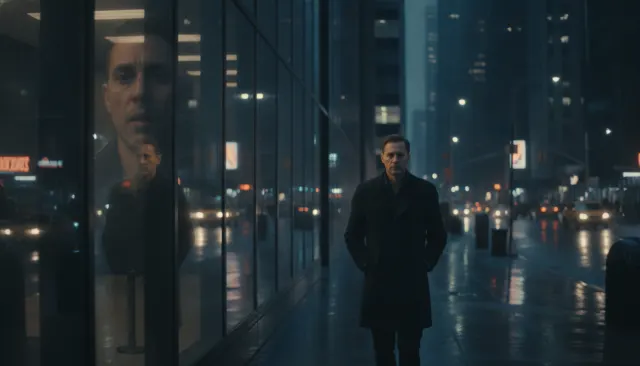 Cinematographer AcclaimedSean Bobbitt Shame Handheld Intimate
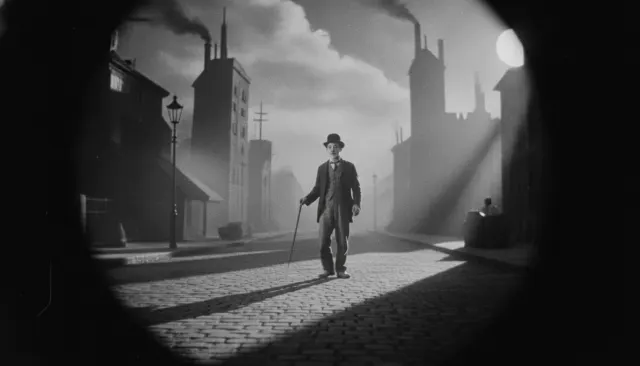 Cinema EraSilent Era 1920s
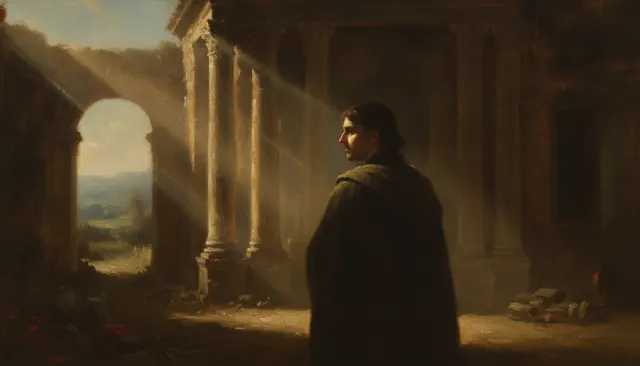 Portrait TraditionsRembrandt Lighting Painterly Portrait
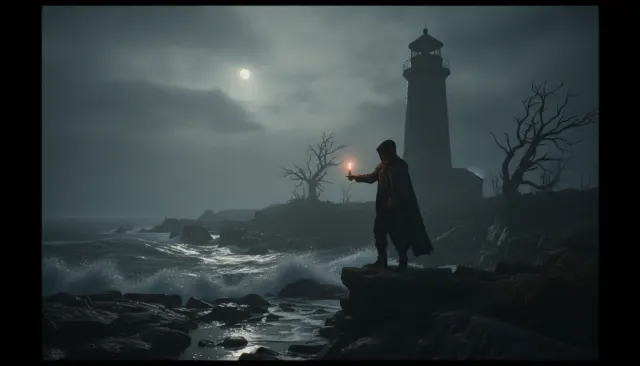 Cinema GenreHorror Folk Eggers