PORTRAIT TRADITIONS · CONTEMPORARY · INTERNATIONAL
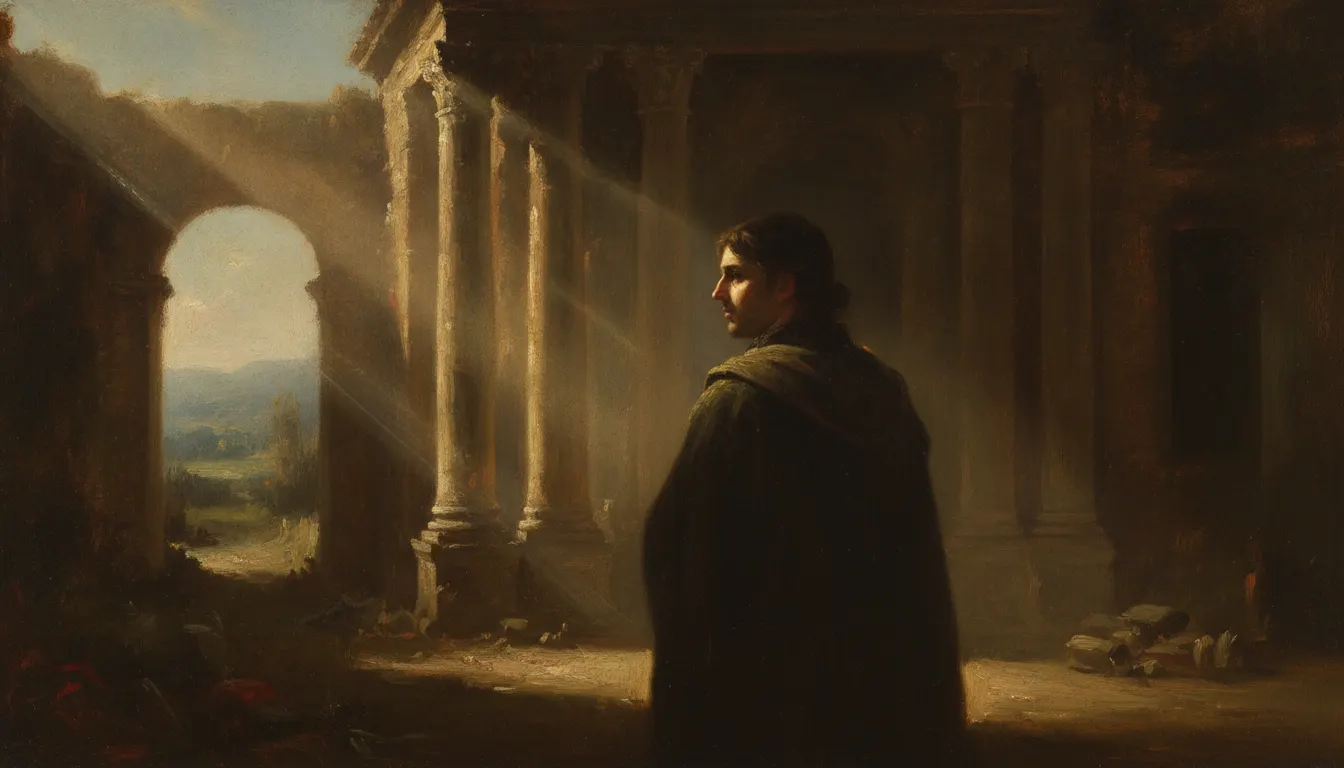
Rembrandt Lighting Painterly Portrait
Painterly Rembrandt-lit portrait. Inverted-triangle cheek highlight, deep falloff to shadow, Old Master oil-painting reference, single window key.
rembrandtpainterlychiaroscuroold-master
LUT rembrandt-old-master
WHEN TO USE
- Character portrait photography where shadow and depth are used to communicate gravitas, age, or complexity
- Fine art portraiture invoking the classical painting tradition explicitly
- Documentary or editorial portraits of subjects (artists, writers, business leaders) where 'serious person' framing is appropriate
- Historical drama, period film, or literary adaptation visual content invoking 17th century aesthetic references
- Music photography for artists in classical, jazz, or any genre where the painterly character portrait is appropriate
- Teaching or educational content about portrait lighting where a named, recognizable technique is being demonstrated
WHEN NOT TO USE
- Beauty photography where the deep facial shadow would be considered unflattering or obscuring product application
- Youth, energy, or optimism-focused content where high-key bright lighting is more tonally appropriate
- Fashion editorial where Rembrandt's character emphasis conflicts with garment-focused compositional needs
- Outdoor or natural light photography where the single-source studio setup is unavailable
- Group portraiture where achieving the triangle pattern on multiple faces simultaneously is geometrically impractical
SIGNATURE TECHNIQUES
How the look is made.
The moves a human crew would use to get here. Cue applies them for you, and knowing their names is how you ask for a change.
- 01Single main light at 45 degrees to subject face and elevated above eye level (approximately 5-6 feet for standing adult)
- 02The Rembrandt triangle
small patch of light on shadow-side cheek, no wider than the eye, not extending below nose
- 03Deep shadow on one side of the face
3:1 or higher lighting ratio (shadow side receiving one third or less of highlight-side light)
- 04Warm amber color temperature in lighting or grade referencing the warm oil-paint quality of Rembrandt's canvases
- 05Dark, minimal background
the subject emerges from darkness rather than being placed against a defined background
- 06Catchlight visible in the eye on the shadow side, confirming the triangle is correctly formed
- 07Moderate telephoto lens (85
105mm equivalent) maintaining natural facial proportions without distortion
HISTORY & CONTEXT
Where it comes from.
Rembrandt Lighting Painterly Portrait
Rembrandt lighting is named for the 17th century Dutch master Rembrandt Harmenszoon van Rijn (1606-1669), whose self-portraits and character studies used a single high-angle light source to create a distinctive pattern: most of the face in shadow, with a small triangular highlight appearing on the cheek opposite the light source. This triangle - formed where the light wraps around the nose and illuminates the cheek below the eye - has become the defining signature of the technique.
The Rembrandt Triangle
The Rembrandt triangle is formed when the main light is placed at approximately 45 degrees to the side of the subject and slightly above eye level. The nose casts a shadow downward; the cheek catches a small patch of light below the eye where the facial plane curves to face the light source. The triangle must be no wider than the eye and must not extend below the nose to maintain the classical proportion. Rembrandt's own paintings - particularly his forty-plus self-portraits made between 1628 and 1669 - show this pattern with remarkable consistency.
Historical Context
Rembrandt painted during the Dutch Golden Age (approximately 1600-1700), a period of extraordinary artistic productivity enabled by Amsterdam's commercial wealth. His patrons were merchants, professionals, and civic groups (the famous Night Watch, 1642, was commissioned by the Amsterdam civic guard). His lighting approach - high single-source illumination, deep shadow, warm amber tones from oil paint - was not invented by him but was most virtuosically realized in his work and became associated with his name in photographic and cinematic tradition.
Rembrandt Lighting in Photography
The technique translated directly to portrait photography in the 19th century as photographers sought to apply the aesthetic authority of classical painting to the new medium. The early portrait studios of Nadar (Gaspard-Félix Tournachon) in Paris in the 1850s-1870s explicitly referenced Rembrandt in their promotional materials. Today Rembrandt lighting remains the primary named technique taught in portrait photography education, alongside broad lighting, short lighting, split lighting, and butterfly lighting.
NOTABLE WORKS
Where you have seen it.
Rembrandt van Rijn, The Night Watch, 1642 (Rijksmuseum, Amsterdam)
Rembrandt van Rijn, Portrait of Jan Six, 1654 (Six Collection, Amsterdam)
Nadar (Gaspard-Félix Tournachon), studio portraits in Rembrandt tradition, Paris, 1853-1880
Yousuf Karsh, Winston Churchill portrait, Ottawa, 1941
modern exemplar of the technique
Arnold Newman, character portrait tradition building on Rembrandt lighting principles, 1940s-2000s
THE RECIPE
The exact knobs
the renderer turns.
A Look is not a filter. It is a set of stored decisions the pipeline reads before it makes a single frame, so two videos in the same Look actually match.
SettingValue
GradeColour LUT applied to every frame
rembrandt-old-masterTransitionHow one shot becomes the next
dissolve cuts · 540ms · ease-in-outKen BurnsCamera move applied to stills
Slow push · 0.018 · centerTypographyDisplay / body / mono pairing
Cormorant · Lora · CourierMusic moodWhat the bed under the voice sounds like
baroque-strings · solo-celloPrompt suffixAppended to every shot prompt in this Look
Rembrandt lighting painterly portrait, inverted triangle cheek highlight, deep shadow falloff, Old Master oil painting referencePALETTE
Primary
#3A2A1A
Secondary
#5C4030
Accent
#D4A574
Text/Light
#1F1408
Text/Dark
#F0DCC0
BG 900
#0F0A05
BG 800
#1F1408
RELATED LOOKS
Next to it on the shelf.
Your first cut
is on us.
+ New videoFree plan · no card · 1080p export