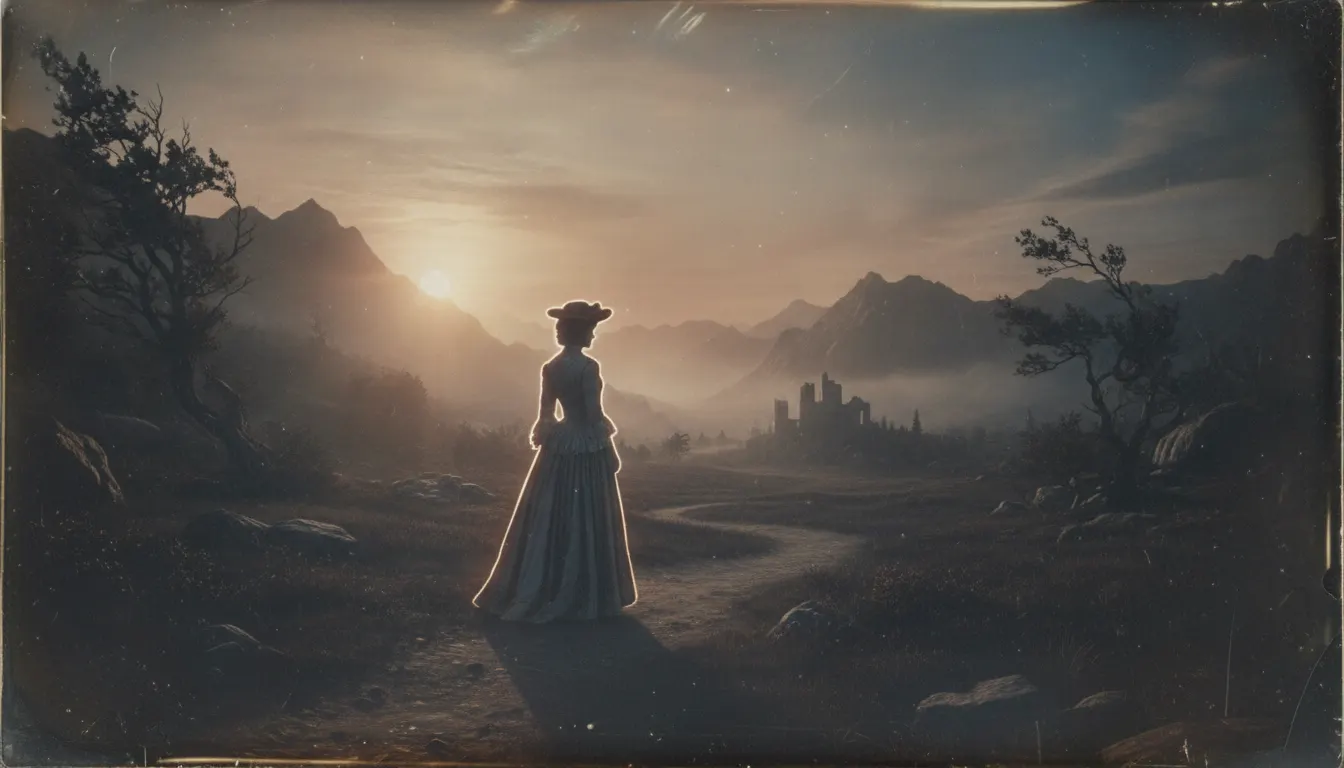
Jerry Spagnoli 'Last Great Daguerreian Survey of the 20th Century' (1995-2002)
modern practice benchmark
Modern recreation of 1840s daguerreotype process. Mirror-polished silver-plated copper plate, fine luminous detail, holographic angle-dependent positive-negative shimmer.
The moves a human crew would use to get here. Cue applies them for you, and knowing their names is how you ask for a change.
desaturated with a subtle golden-amber cast (#B8A090), not the cold blue-silver of modern B&W film
sharpness with no film grain - daguerreotypes have finer resolution than most modern media
10% opacity, angle-dependent on viewer perspective if possible
long exposure latitude compresses both highlights and shadow detail
plate scratches, polish lines, foxing spots from oxidation at plate edges
Louis Daguerre announced the daguerreotype process to the French Académie des Sciences on 19 August 1839, a date considered the birth of practical photography. The process used a silver-coated copper plate sensitized with iodine vapor to form light-sensitive silver iodide, exposed in a camera for 3-30 minutes in bright daylight, then developed over heated mercury vapor which amalgamated with the exposed silver to produce a direct positive image. Hyposulfite of soda (sodium thiosulfate) fixed the image permanently.
The daguerreotype is a unique object: each plate is a direct positive with no negative, meaning it cannot be reproduced. The image is formed on a mirror-like metallic surface, making it angle-dependent - it must be held at a precise tilt to read as a positive image; tilt it further and it reverses to a negative. This reflective quality means the tonal response differs fundamentally from silver gelatin prints: highlights carry a warm, almost luminous glow; shadows are pure silver mirror; midtones are finely graduated silver amalgam. The surface detail is extraordinary - 19th-century daguerreotypes contain more pictorial information than 35mm film.
Contemporary daguerreotypists include Jerry Spagnoli, whose 'Last Great Daguerreian Survey of the 20th Century' (1995-2002) documented New York City with the original 1839 process; Chuck Close, who collaborated with Jerry Spagnoli on large-format daguerreotype portraits (2000s); and Mark Osterman at the George Eastman Museum, who has produced definitive technical reconstructions of Daguerre's original formula. The PDQ (Presto Digital Daguerreotype Quick) system marketed briefly in 2003-2004 attempted to make the process accessible.
Unlike all subsequent photographic processes, the daguerreotype is laterally reversed: a portrait made without a mirror shows the subject's right hand on the viewer's left. Daguerreotypists sometimes used a reversing prism in the camera to correct this, but many early portraits are mirror images. The image sits on the surface of the silver plate rather than being embedded in a gelatin or albumen layer - this makes it exceptionally fragile; touching the surface leaves permanent fingerprints in the silver. Daguerreotypes were always presented in sealed cases - Union cases, thermoplastic or leather - with a mat and cover glass to protect the surface. These framing conventions are part of the object's aesthetic identity and appear in contemporary reproduction work as physical or digital frame elements.
Digital daguerreotype simulation requires understanding the process's specific tonal behavior: warm silver tone (#B8A090 to #D4C0AA), extreme sharpness and fine grain (no coarse film grain), vignetting from period lenses, corner blur from early uncorrected lens elements, and the characteristic tonal reversal at different viewing angles (simulated via iridescent or metallic texture overlay in post). The palette lacks the cold blue-silver of later gelatin silver; the warmth comes from mercury amalgam and the copper substrate showing through. Texture libraries including the Daguerreotype Acheron Lightroom preset pack and the VSCO historical preset collections approximate the tonal curve; overlay textures simulating silver plate oxidation and mat marks complete the physical artifact look.
modern practice benchmark
high-art contemporary use
first photograph showing a human figure, the foundational image
Mark Osterman process reconstructions
peak historical daguerreotype portraiture
1851
definitive period portrait
historical documentary application
2003
contemporary process accessibility attempt
A Look is not a filter. It is a set of stored decisions the pipeline reads before it makes a single frame, so two videos in the same Look actually match.
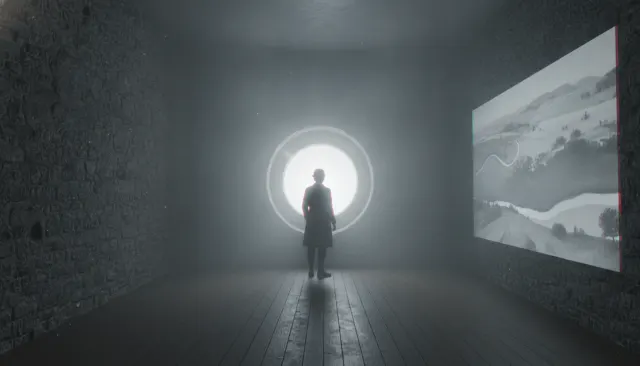 Analog Camera ExtendedCamera Obscura Pinhole Historical Aesthetic
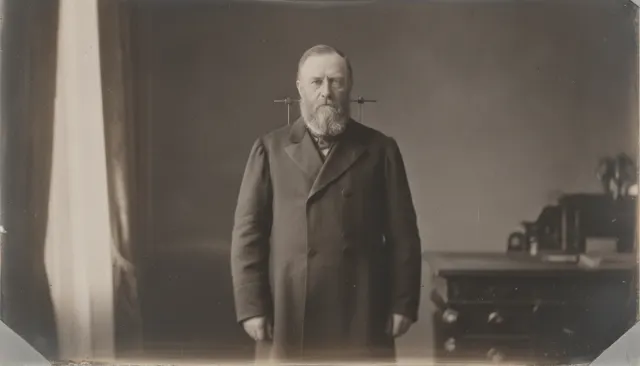 Photographic EraDaguerreotype 1840s Portrait
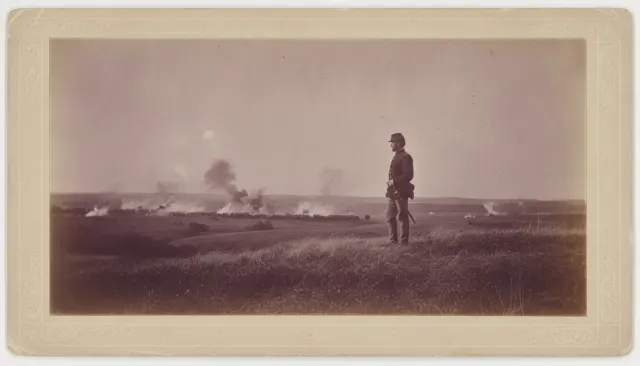 Vintage Formats ExtendedAlbumen Print 1860s Portrait
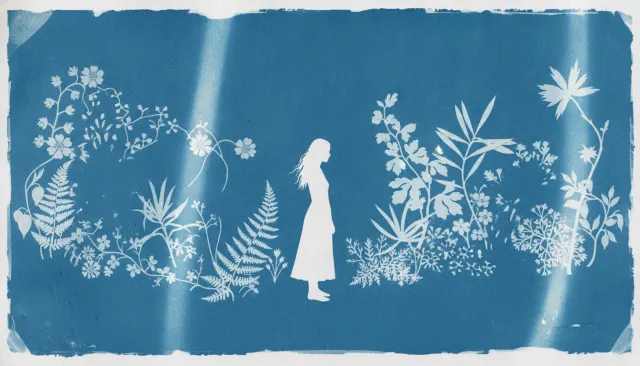 Vintage Formats ExtendedCyanotype Blue Print Historical
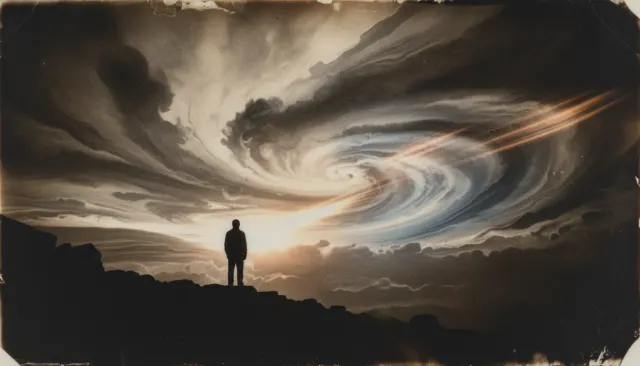 Physical ProcessChemigram Acidic Darkroom
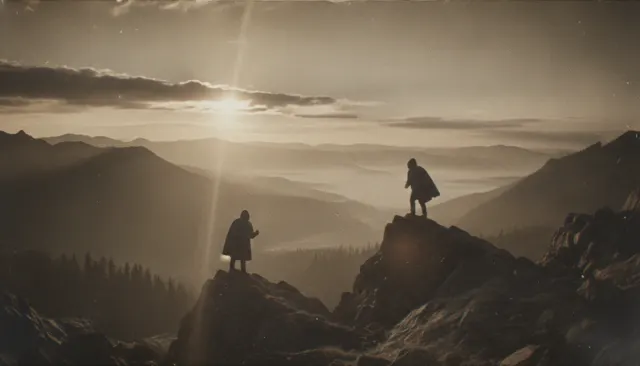 Analog Camera ExtendedDouble Pinhole Experimental