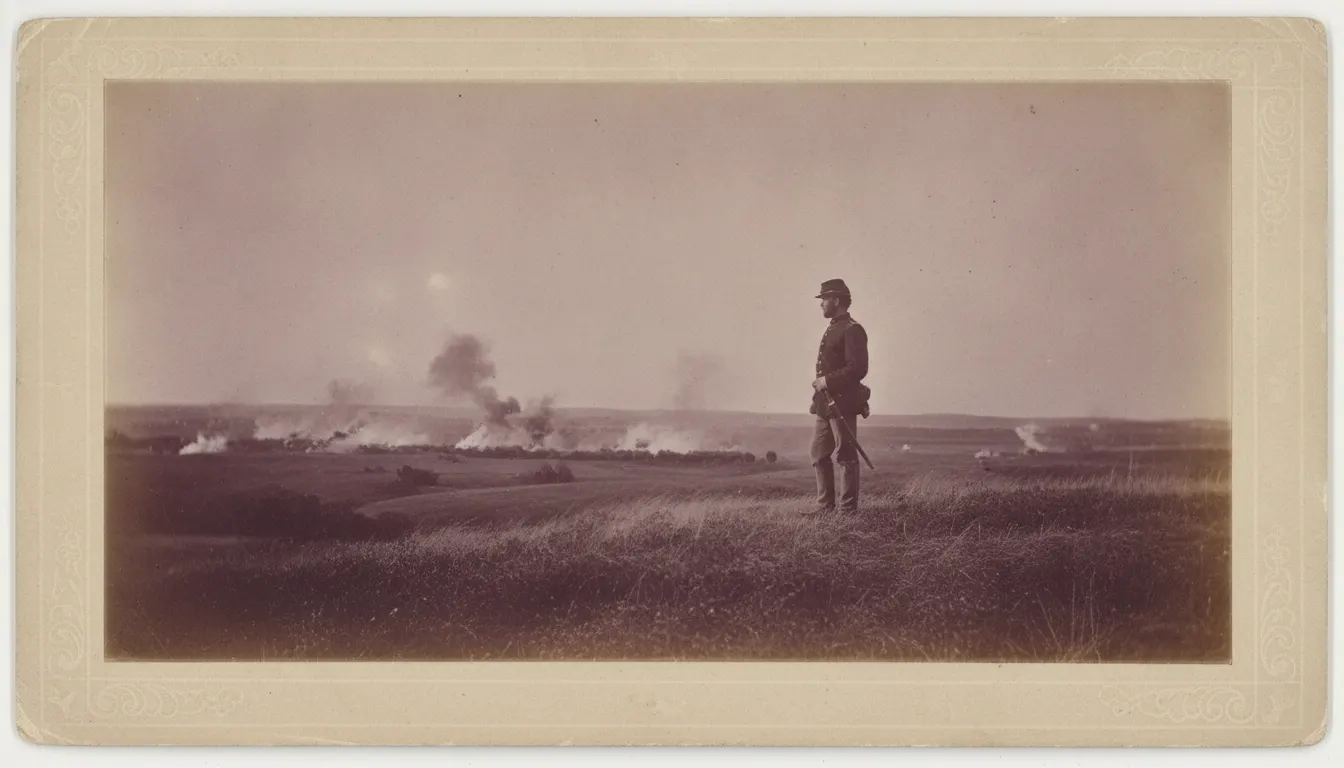
Mathew Brady, Abraham Lincoln portraits (1860-1865)
multiple sessions, Brady studio NY and DC
Albumen print 1860s carte-de-visite portrait. Egg-white coated glossy paper, warm purple-brown tone, Civil War carte trading, ornate paper mount.
The moves a human crew would use to get here. Cue applies them for you, and knowing their names is how you ask for a change.
to-purplish-brown tonal range - no true blacks, no pure whites
delicate rather than high-contrast
The albumen silver print process, introduced in 1850 by Louis Désiré Blanquart-Evrard, dominated photographic printing from roughly 1855 to 1895. During the 1860s it was the universal medium for portrait photography, and the visual character of the albumen print - its distinctive sepia-amber palette, smooth surface, fine detail, and slight glossiness - defines the look we associate with Victorian photography at its most refined.
Albumen paper was made by coating thin paper with egg white (albumen) containing ammonium chloride, then sensitizing it with silver nitrate. The resulting silver-albumen surface produced a print with characteristic warm purple-brown to amber tones that varied depending on the age of the print, the composition of the chemistry, and exposure to light over time.
The format most associated with 1860s portrait photography is the carte de visite (CDV), introduced in France by André-Adolphe-Eugène Disdéri in 1854 and reaching peak popularity 1860-1871. CDVs were 2.5 x 4 inch albumen prints mounted on card stock, shot with a multi-lens camera capturing 8 poses on a single glass plate. A single studio session could produce dozens of inexpensive portraits for distribution to family and friends. The slightly larger cabinet card (4.25 x 6.5 inches) replaced the CDV in the 1870s-1880s.
In America, Mathew Brady's Washington D.C. and New York studios produced carte de visite portraits of virtually every major political and military figure of the Civil War era. Brady employed operators including Alexander Gardner and Timothy O'Sullivan - photographers who later became celebrated in their own right. Brady's portraits of Abraham Lincoln, taken in multiple sessions between 1860 and 1865, are among the most studied photographs in American history.
In Britain, Oscar Gustave Rejlander (1813-1875) and Henry Peach Robinson (1830-1901) pushed the albumen print toward pictorialist art photography, creating elaborate composite images that combined multiple negatives. Julia Margaret Cameron (1815-1879), working on the Isle of Wight from 1864-1875, produced albumen portraits of Victorian intellectual and cultural figures - Alfred Lord Tennyson, Charles Darwin, Henry Wadsworth Longfellow - that remain the standard for intimate large-format Victorian portraiture.
The albumen print's visual signature: warm amber-to-purplish-brown tonal range; subtle mid-tone detail with delicate highlight texture; slight surface gloss compared to matte salt prints; the printed image appearing to float within the paper surface rather than sitting on top. Faded or poorly fixed albumen prints shift toward warm yellow-brown with loss of shadow density - a degradation pattern that modern filters often simulate as a mark of 'vintage' authenticity.
multiple sessions, Brady studio NY and DC
1867
platinum print, intimate intellectual portraiture
1869
cabinet card format
1866
albumen battlefield prints
1859
CDV format popularization
1857
30-negative composite allegory
1858
narrative composite albumen print
1865
A Look is not a filter. It is a set of stored decisions the pipeline reads before it makes a single frame, so two videos in the same Look actually match.
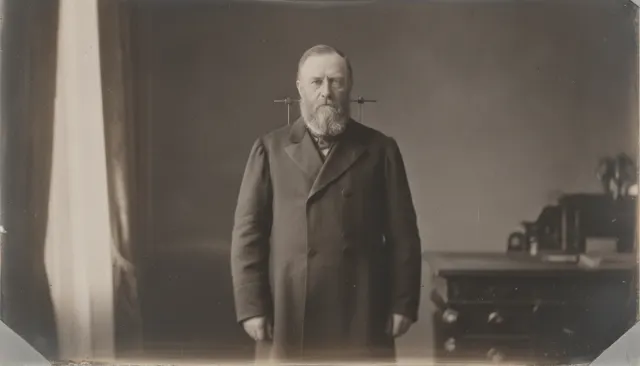 Photographic EraDaguerreotype 1840s Portrait
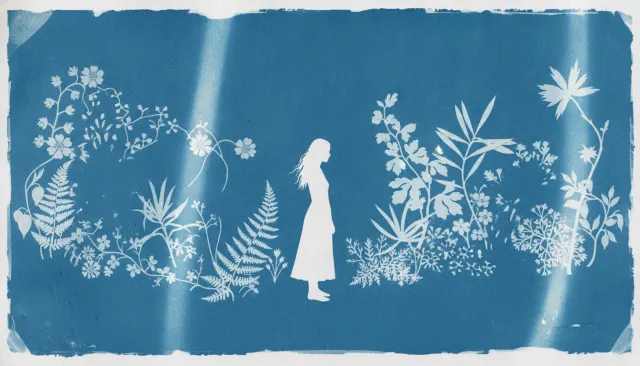 Vintage Formats ExtendedCyanotype Blue Print Historical
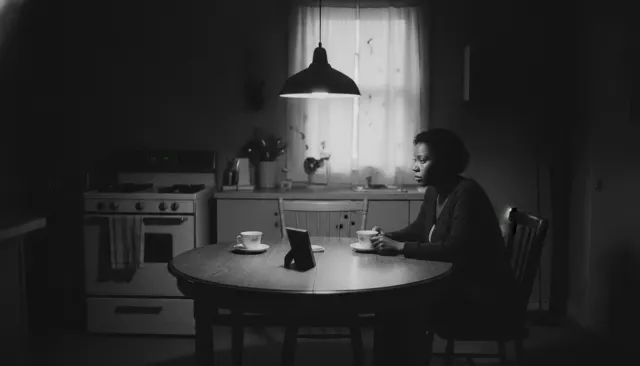 Photographers Color ModernCarrie Mae Weems Narrative BW
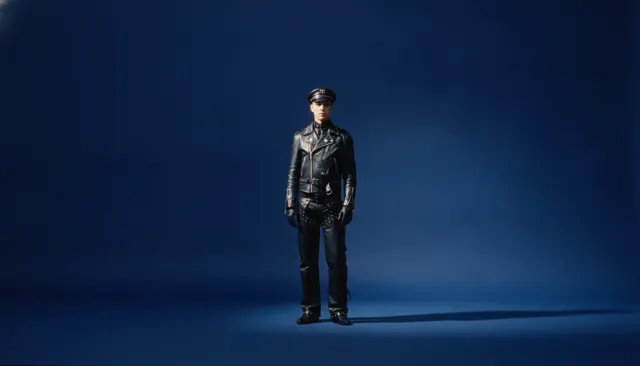 Photographers Fine ArtCatherine Opie Portrait Formal
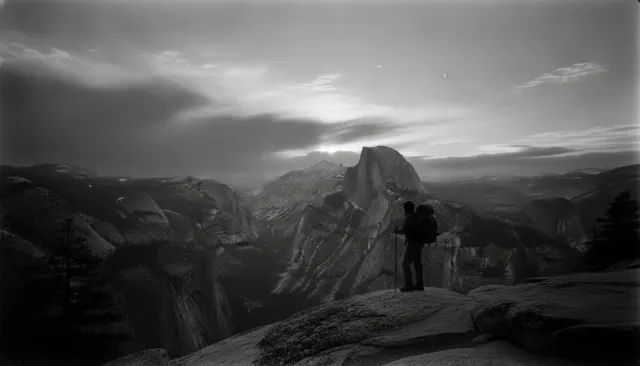 Wildlife NatureAnsel Adams BW Yosemite Large Format
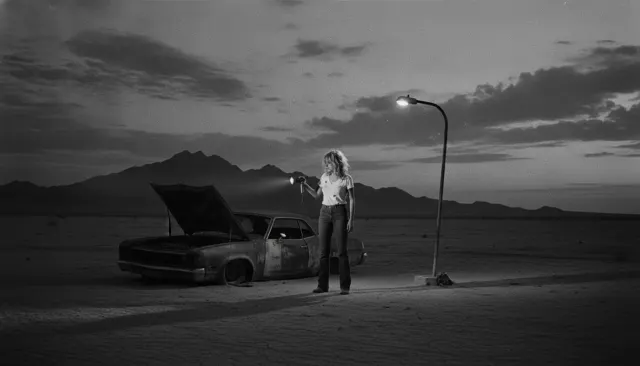 Photographers Fine ArtCindy Sherman Conceptual Portraiture