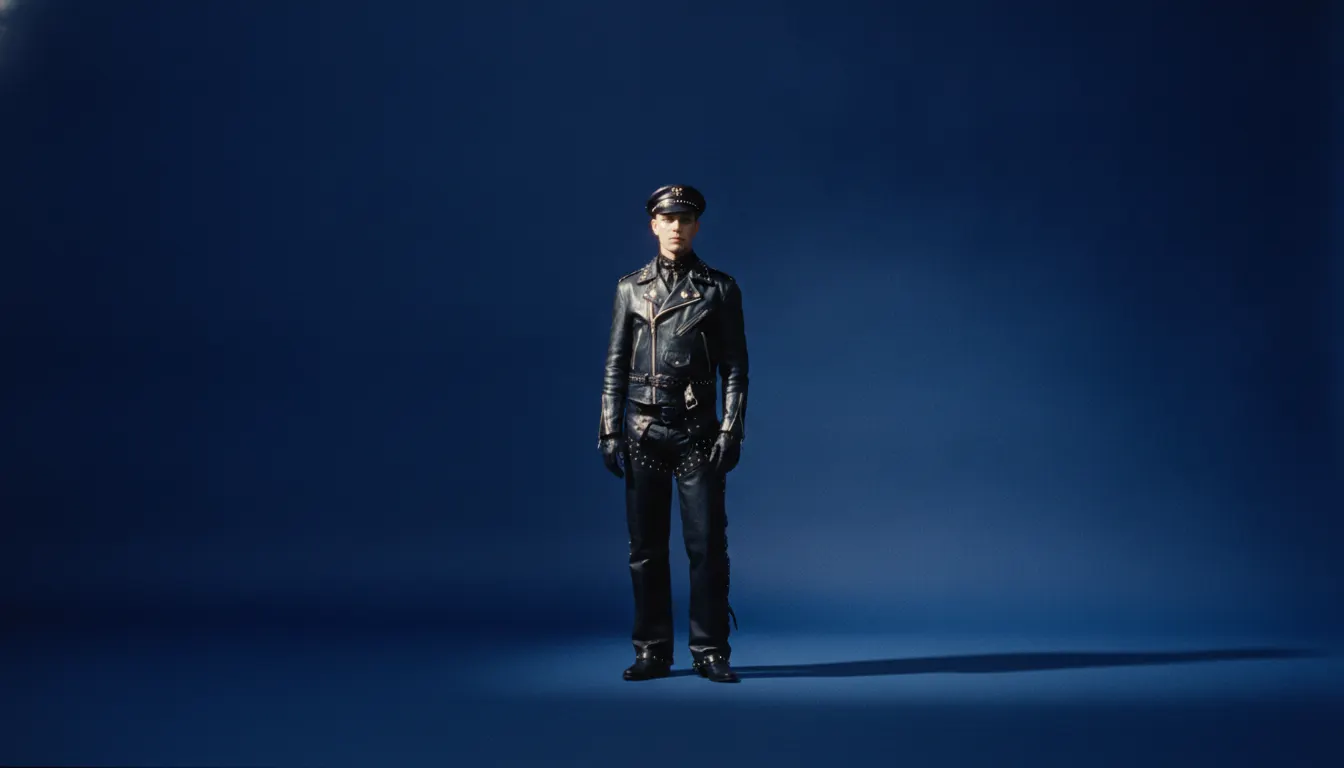
Catherine Opie, 'Self-Portrait/Cutting'
1993
Catherine Opie formal large-format portrait. Saturated single-color backdrop, queer leather subject treated with Holbein dignity, museum scale.
The moves a human crew would use to get here. Cue applies them for you, and knowing their names is how you ask for a change.
format camera: extreme detail rendering in skin, costume, and surface texture
no perspective dramatization, pure formal gravity
color or very simply graduated painted background - no environmental context
two-source butterfly setup or broad softbox with reflector fill
subjects often look at camera without smiling or performing affect
works printed 40x50 inches or larger claim gallery wall presence like painting
maximum information captured across skin, eyes, and material surfaces
Catherine Opie (b. 1961, Sandusky, Ohio) has produced one of the most rigorously formal bodies of portrait photography in contemporary American art, using the conventions of old master painting - frontal pose, flat background, even studio illumination, large format - to document communities that have been historically excluded from formal visual representation.
Opie's most significant portrait series include Being and Having (1991), which photographs butch dykes and drag kings with painted mustaches and beards in formal bust-format poses; Portraits (1993-1997), which documents the S&M and queer community of Los Angeles in elaborate, sometimes costumed formal poses; Girlfriends (1994); In and Around Home (2004-2005); and The Modernist (2010).
The portraits are typically made with a 20x24 inch camera - a format that produces contact prints at the actual size of the negative, resulting in prints of extraordinary detail and physical presence. The subjects are placed against flat-color or gradient painted backgrounds that recall Flemish or Dutch portraiture rather than contemporary commercial photography conventions.
Opie's most discussed single image is Self-Portrait/Cutting (1993), in which she photographs herself from the back, a simple house drawn by a child's hand cut into the skin of her upper back. The image is simultaneously a portrait without a face, a document of a ritual act, and a statement about the queer body's relationship to domesticity and exclusion. The photograph is technically immaculate - large format, even illumination, the cuts perfectly legible against her skin - while its content is raw and uncompromising.
Opie's formal strategy borrows directly from the history of portrait painting. The frontality, the eye-level camera position, the neutral background, the even studio lighting without dramatic shadows or directional flash - these are the conventions Rembrandt, Van Dyck, and Holbein used for subjects of social importance. By applying those conventions to subjects the mainstream had dismissed or fetishized rather than formally commemorated, Opie asserts their dignity and importance.
The large-format prints - often 40x50 inches or larger - create a physical presence that demands the same attention a large oil painting receives in a museum context. The choice of format is an argument about the worth of the people photographed.
1993
1994
1991
Los Angeles S&M and queer community
LA infrastructure formal photography
2008
A Look is not a filter. It is a set of stored decisions the pipeline reads before it makes a single frame, so two videos in the same Look actually match.
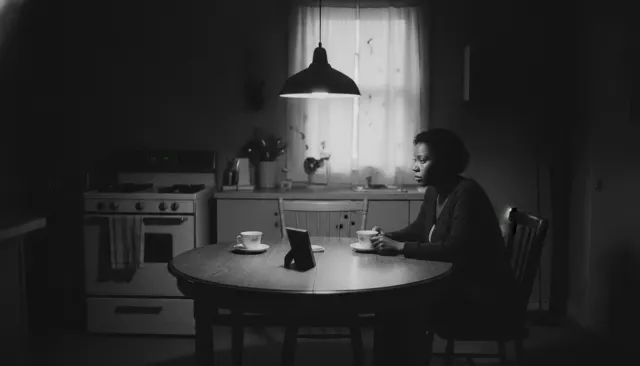 Photographers Color ModernCarrie Mae Weems Narrative BW
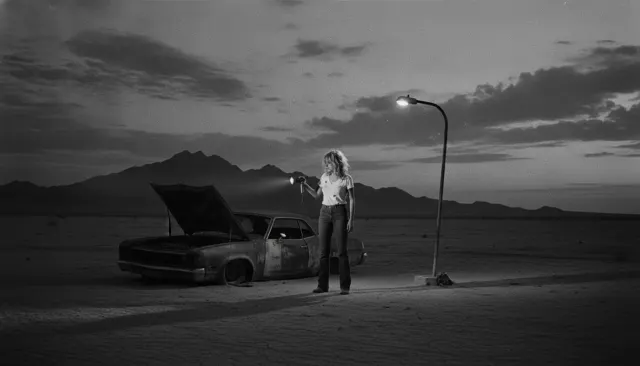 Photographers Fine ArtCindy Sherman Conceptual Portraiture
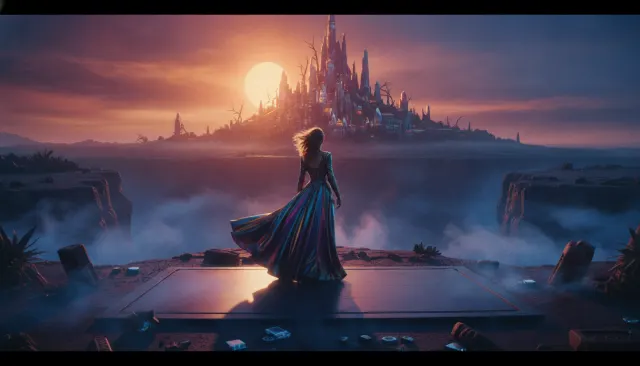 Fashion EditorialAnnie Leibovitz Celebrity Portrait
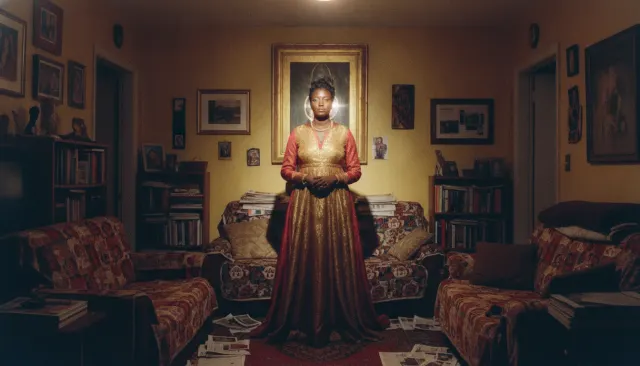 Photographers Color ModernDeana Lawson Staged Color Portrait
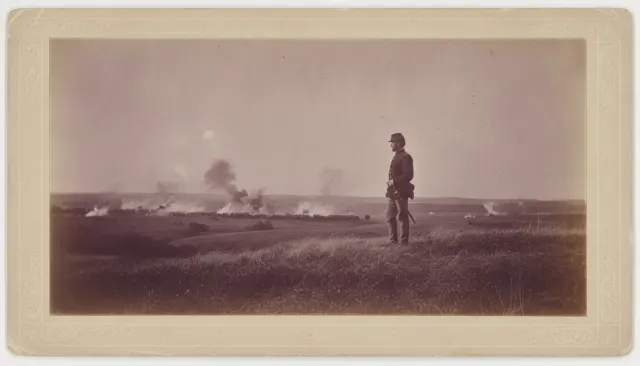 Vintage Formats ExtendedAlbumen Print 1860s Portrait
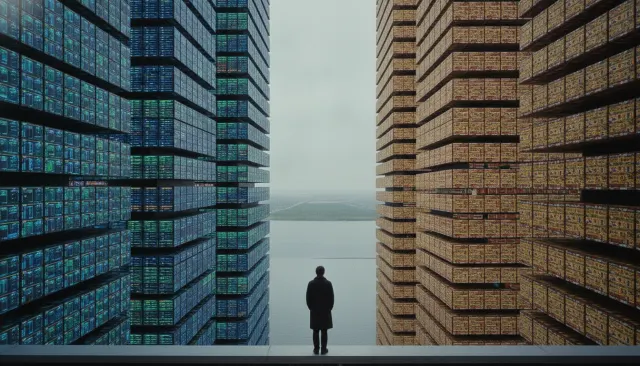 Photographers Fine ArtAndreas Gursky Large Format Monumental