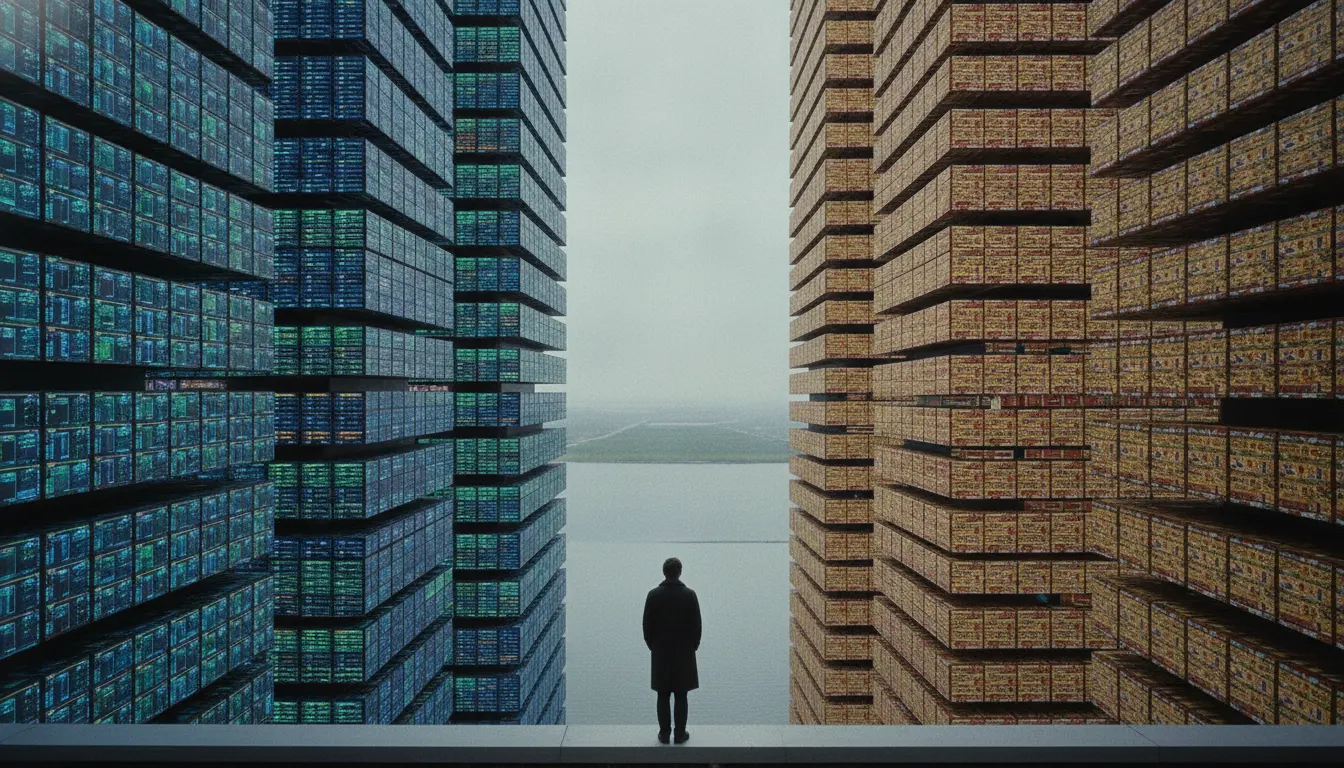
Andreas Gursky, 'Rhein II'
1999
sold $4.3M Christie's 2011
Andreas Gursky Dusseldorf School monumental scale. Digitally composited stock exchange, 99 Cent supermarket, parallel-perspective Rhein II minimalism.
The moves a human crew would use to get here. Cue applies them for you, and knowing their names is how you ask for a change.
3 meters wide) as a formal requirement - the work doesn't function at small size
eye view of human systems
slight glow, saturated colors, no surface texture
Andreas Gursky (b. 1955, Leipzig) is among the most commercially successful photographers in history and a central figure in the Dusseldorf School of Photography, trained under Bernd and Hilla Becher at the Kunstakademie Dusseldorf alongside Thomas Struth, Candida Höfer, and Thomas Ruff. His large-format prints - often multiple meters wide - depict globalized capitalism, mass human congregation, and landscape in a way that makes the individual human figure disappear into systemic patterns.
Rhein II (1999) - a horizontal panorama of the Rhine River reduced to horizontal bands of gray-green water, gray sky, and green riverbank grass with all extraneous elements digitally removed - sold at Christie's New York in November 2011 for $4.3 million, making it at the time the most expensive photograph ever sold. The image's radical simplicity - almost nothing in it - reads as landscape painting compressed to pure geometric abstraction.
99 Cent II Diptychon (2001) - two joined photographs of the interior of a 99 Cent Only Store in Los Angeles, capturing the infinite visual repetition of product packaging under fluorescent light - sold at Sotheby's London in February 2007 for £1.7 million ($3.3 million USD), then a record. The image anticipates both contemporary photography's engagement with consumer culture and the visual texture of Amazon warehouse photography.
May Day IV (2000) - an aerial view of a rave crowd at the Mayday event in Dortmund, the individual figures compressed into a moving pattern.
Chicago Board of Trade (1997, 1999) - the trading floor compressed to a field of human figures engaged in simultaneous transaction, the individual trader becoming an element in an economic machine.
Gursky shoots primarily with a large-format or medium-format camera (initially 4x5 view camera, later Hasselblad and Phase One digital) and prints at extreme scale using Lambda digital printers on Duratrans or Fuji Crystal Archive material. His post-processing in the Dusseldorf studio is extensive: images are composited, cleaned, simplified, and manipulated to remove distracting elements or combine multiple exposures. Rhein II is famously not a simple photograph - the grass banks were digitally cleaned of a factory and bridge that appeared in the actual view.
The Becher influence is visible in Gursky's systematic approach, frontal framing, and typological impulse, but Gursky departed from the Bechers' strict documentary methodology toward subjective manipulation in service of conceptual goals.
1999
sold $4.3M Christie's 2011
2001
sold $3.3M Sotheby's 2007
1999
2000
2016
fulfillment center interior
2005
Formula 1 circuit from above
1993
Paris apartment building facade
2007
A Look is not a filter. It is a set of stored decisions the pipeline reads before it makes a single frame, so two videos in the same Look actually match.
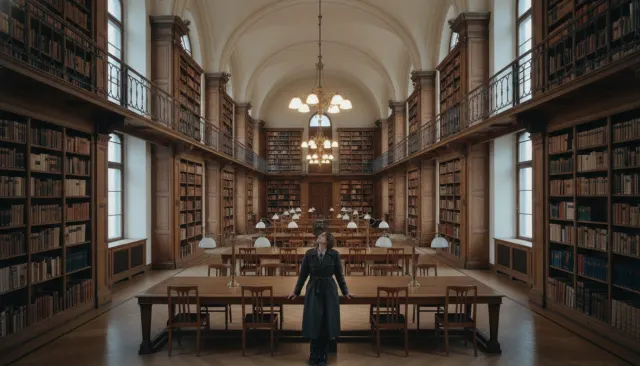 Architectural RealestateCandida Höfer Symmetric Interior
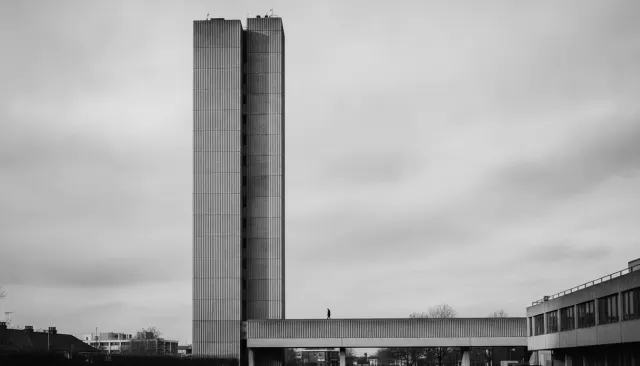 Architectural RealestateBrutalist Architecture Photography
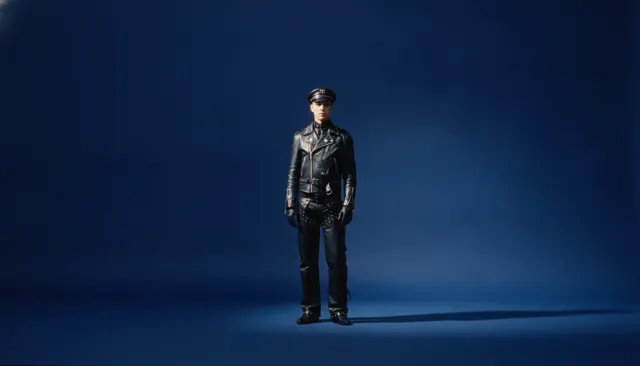 Photographers Fine ArtCatherine Opie Portrait Formal
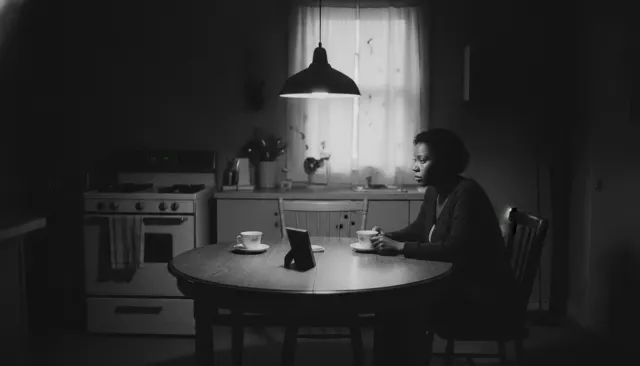 Photographers Color ModernCarrie Mae Weems Narrative BW
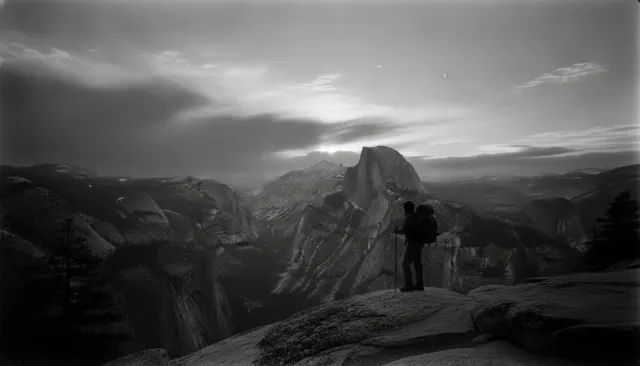 Wildlife NatureAnsel Adams BW Yosemite Large Format
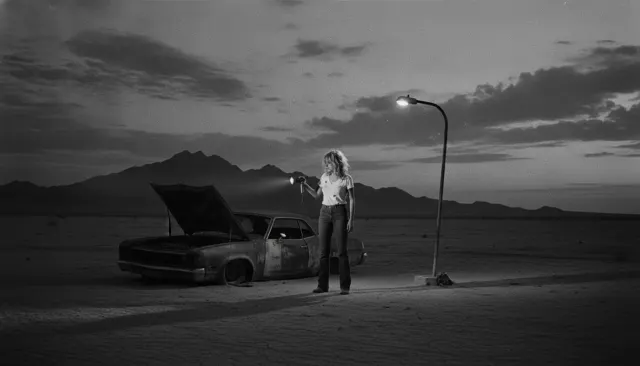 Photographers Fine ArtCindy Sherman Conceptual Portraiture