Simon Phipps, 'Brutal London' (Penguin, 2016)
threatened buildings documentation
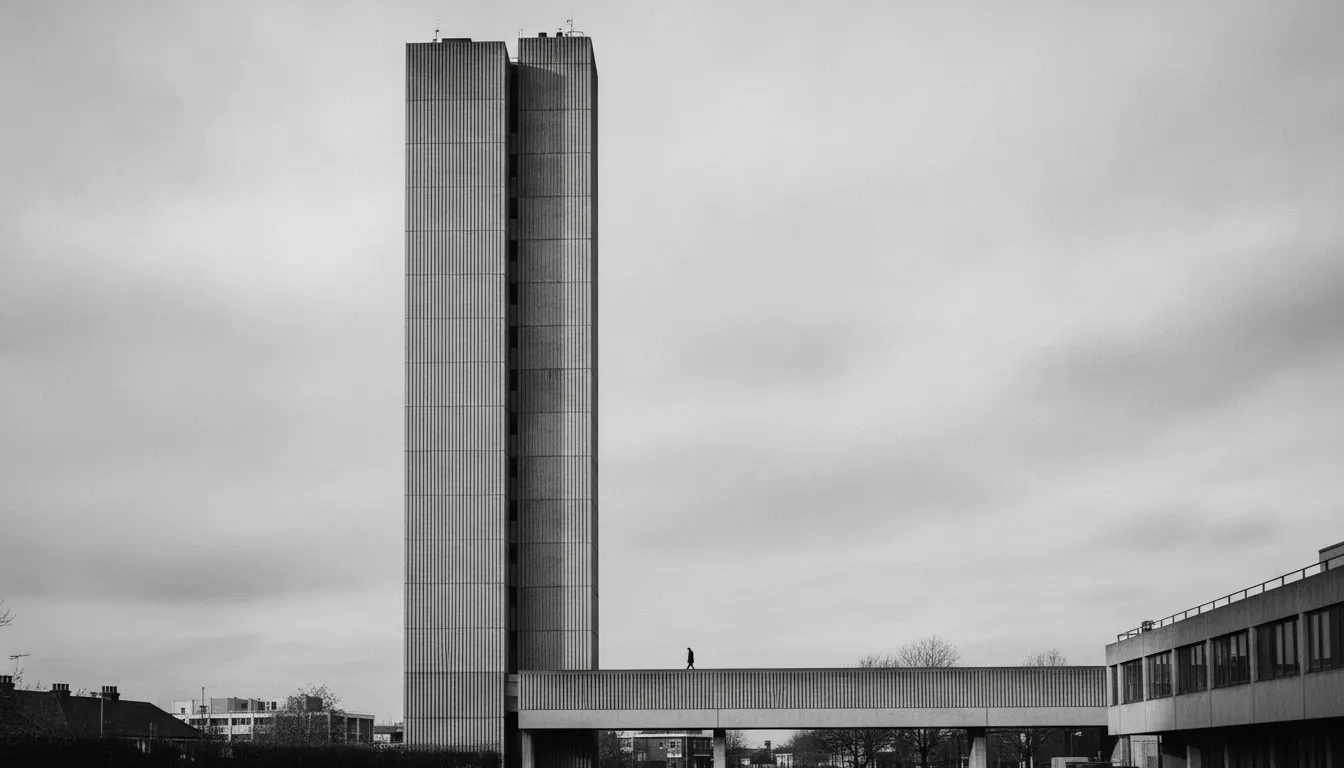
Brutalist concrete architecture photography. Trellick Tower London moody bw, raw concrete texture, overcast sky, monolithic scale documentation.
The moves a human crew would use to get here. Cue applies them for you, and knowing their names is how you ask for a change.
shift or architectural perspective correction lens eliminating keystone distortion
form or bush-hammered concrete texture as primary surface interest
Brutalist architecture - the building style derived from Le Corbusier's béton brut (raw concrete) that dominated institutional and public housing construction from roughly 1950-1980 - has developed a dedicated photographic aesthetic that vacillates between critical document and reverent celebration of monumental form.
Brutalism's defining material is exposed poured concrete, often board-formed (textured from the wooden formwork used during pouring), sometimes bush-hammered to reveal aggregate, occasionally smooth-cast with careful geometry. The visual vocabulary: massive horizontal and vertical repetition, cantilevers and deep shadow reveals, the absence of applied ornament, the assertion of structural logic as architectural expression.
Key British examples include the Barbican Estate, London (Chamberlin, Powell and Bon, completed 1976); Trellick Tower, London (Ernő Goldfinger, 1972); the Hayward Gallery and National Theatre on the South Bank (Denys Lasdun, 1976); and the University of East Anglia campus (Lasdun, 1966). American examples include Paul Rudolph's Art and Architecture Building, Yale (1963), Marcel Breuer's Whitney Museum (1966), and Kallmann, McKinnell & Knowles' Boston City Hall (1968).
Brutalist architecture photography has converged on specific formal conventions that maximize the building's spatial and material drama:
Overcast or diffuse light is generally preferred over direct sun. Brutalism's shadows are already architecturally built-in - the deep reveals, cantilevers, and recessed openings create permanent geometric shadows that don't require raking sun. Diffuse overcast light reveals the concrete surface texture - the board-form pattern, the aggregate, the staining - without the competing distraction of cast shadows from surrounding trees or sky.
Straight perspective correction using shift lenses or architectural photography conventions avoids the keystone distortion that makes buildings appear to lean. Some photographers deliberately use extreme wide-angle lenses close to the base of a building, embracing convergence as an expressive tool that emphasizes oppressive verticality.
After decades of vilification - brutalist housing estates became associated with social failure and crime - brutalist architecture has undergone reappraisal since roughly 2000. Photographs by Simon Phipps (whose book Brutal London, 2016, covered threatened structures), Jonathan Meades' documentaries, and the Brutalism page of Instagram have contributed to a photographic culture that treats these buildings as aesthetic objects worthy of careful documentation.
threatened buildings documentation
2014
Yale Art and Architecture building
Paul Rudolph and Marcel Breuer buildings (1960s)
British brutalist estate documentation 1970s-1990s
A Look is not a filter. It is a set of stored decisions the pipeline reads before it makes a single frame, so two videos in the same Look actually match.
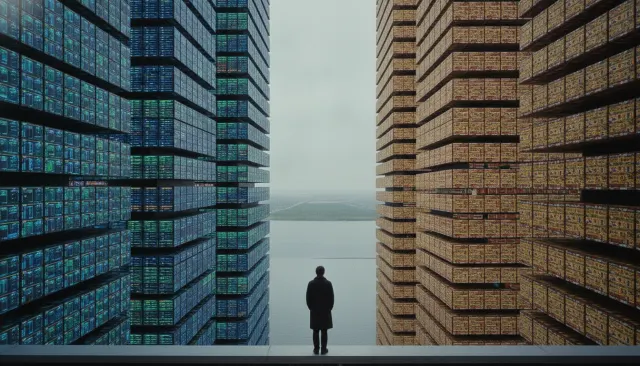 Photographers Fine ArtAndreas Gursky Large Format Monumental
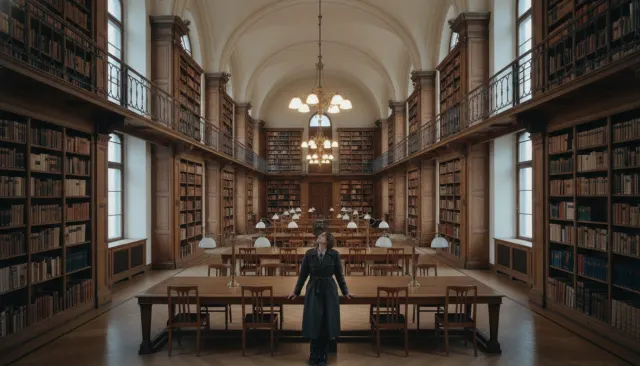 Architectural RealestateCandida Höfer Symmetric Interior
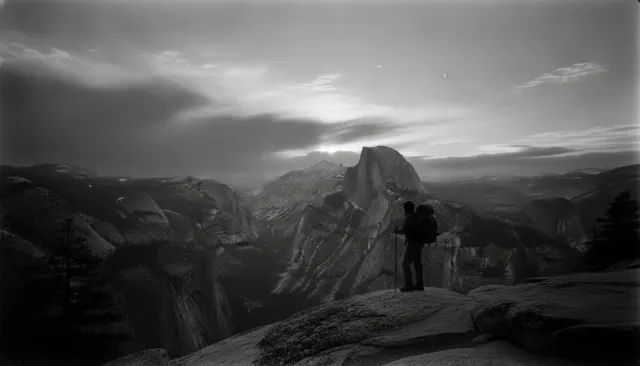 Wildlife NatureAnsel Adams BW Yosemite Large Format
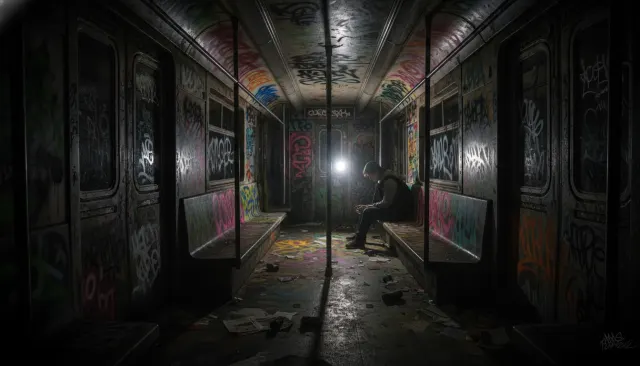 Era Specific Color1980s Subway Graffiti Bruce Davidson
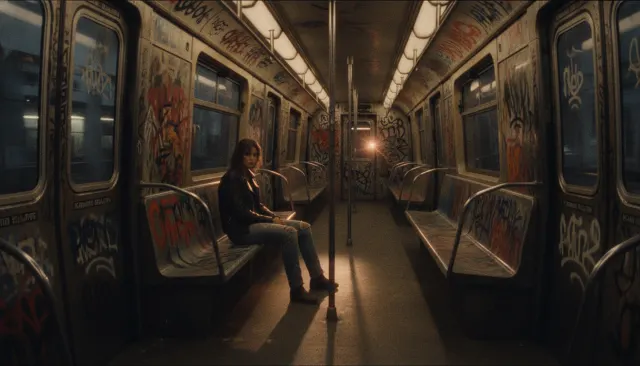 Street PhotographyBruce Davidson Subway Flash
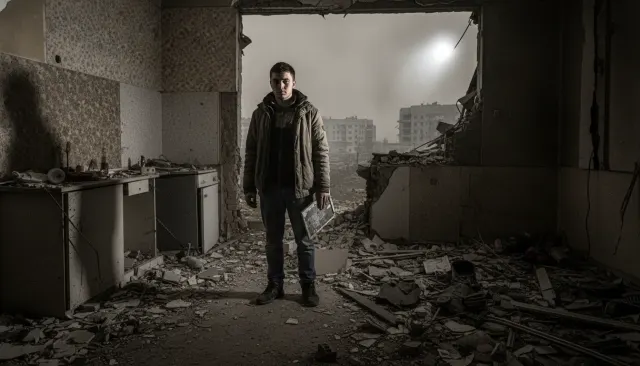 Genres ExtendedConflict Zone Photojournalism Color