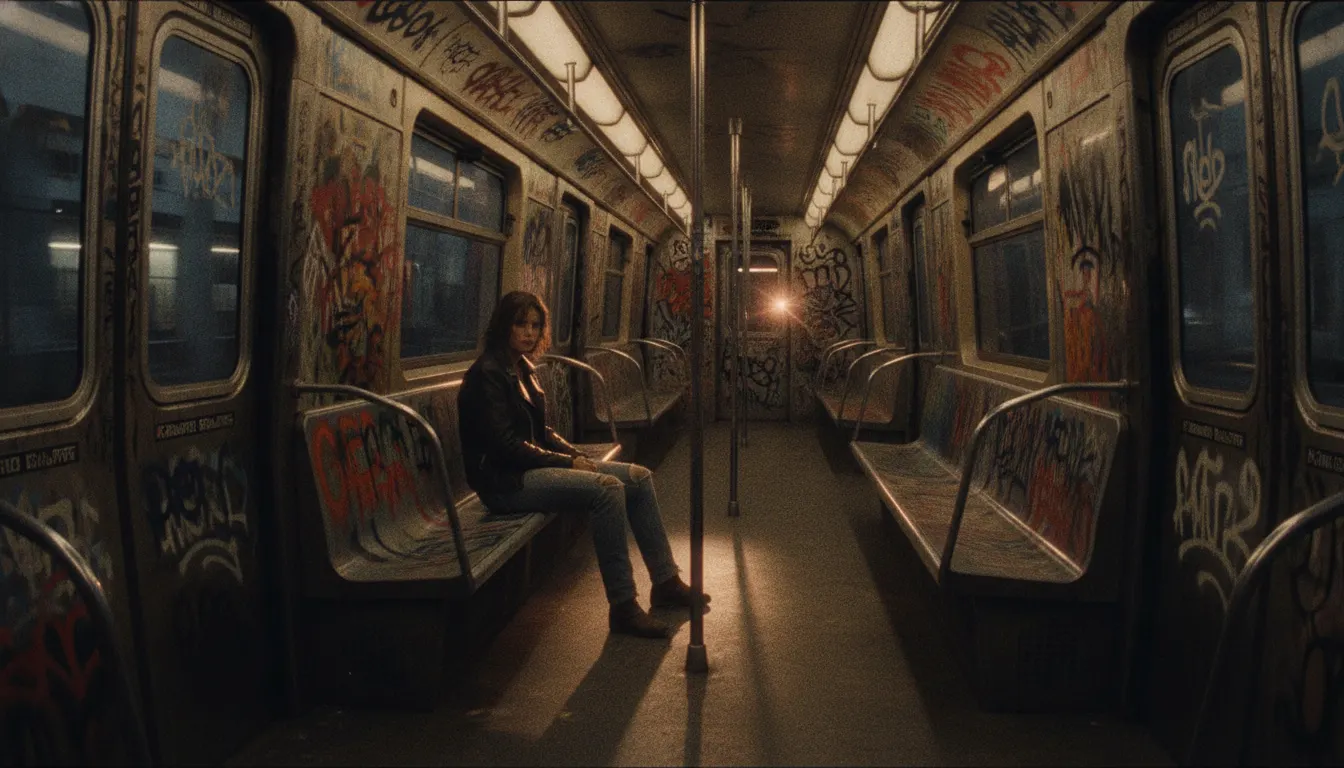
STREET PHOTOGRAPHY · 1980S · USA
Bruce Davidson Subway Flash
Bruce Davidson Subway 1980s New York. On-camera flash in graffitied train, saturated Kodachrome, gritty urban portrait, MTA fluorescent.
subwayflashgrittyeighties-nyc
LUT davidson-subway-flash
WHEN TO USE
- Urban documentary portrait content where physical environment context is as important as subjects
- Content about New York City's 1970s-80s fiscal crisis, urban blight, or social inequality
- Portrait content where harsh, unfiltered flash creates deliberate democratic aesthetic
- Documentary photography tribute content or photography history educational material
- Content about subcultures, marginalized communities, or spaces of institutional failure
- Street or transit photography where the environment is as much a character as the people
WHEN NOT TO USE
- Portrait content where subjects' dignity requires more flattering light treatment
- Commercial content where the decaying urban environment would create negative brand associations
- Aspirational lifestyle content where the harsh flash and graffiti context undermines the desired register
- Content for audiences where the visual references to poverty, homelessness, or urban decay require sensitive handling
SIGNATURE TECHNIQUES
How the look is made.
The moves a human crew would use to get here. Cue applies them for you, and knowing their names is how you ask for a change.
- 01On
camera Vivitar 283-style bare flash unit: harsh, directional, no diffusion or bounce
- 02Kodacolor 400 negative film
warm color with slight grain, rendering equal across highlight and shadow
- 03Close proximity
1-3 feet from subjects in confined car interiors
- 04Leica M
series camera: compact, quiet, less intimidating in close-proximity documentary situations
- 05Graffiti
covered surfaces as environmental texture and compositional background
- 06Fluorescent overhead car lighting contributing greenish color cast layered under the flash
- 07Subjects often unaware of or indifferent to the photographer
genuine unselfconscious moments
- 08Vertical and horizontal framing mixed
no consistent orientation, responding to subject posture
HISTORY & CONTEXT
Where it comes from.
Bruce Davidson Subway Flash Photography
Bruce Davidson's Subway project (1980-1983) represents a distinct and specific body of work within his career - differentiated from his 1966-1968 East 100th Street Harlem documentary by its use of color flash rather than black and white available light, and from his earlier photojournalism by the sustained, meditative access he developed over three years of daily subway commuting.
The Project's Genesis
Davidson (b. 1933, Oak Park, Illinois) became a Magnum Photos member in 1958 following his military service photography and early editorial work. By 1980, he had produced landmark documentary projects in Harlem, Glasgow, Brooklyn, and South Wales. The subway project began without institutional support - the MTA refused him permission to photograph professionally, so he purchased a monthly transit pass and rode as a regular commuter for three years.
He worked with a Leica M6 and a Vivitar 283 flash unit powered by external battery pack. The choice of color negative film (Kodacolor 400) over the black and white he had used in earlier documentary work was deliberate: he wanted to capture the extraordinary color of the graffiti-covered interior environment, which black and white would have flattened into tonal information.
The Flash and Its Meaning
The Vivitar 283 mounted on the Leica created the harsh, on-axis flash that defines the visual character of the Subway project. This is not the soft, bounced, or diffused flash of studio portraiture - it is the bare-bulb documentary flash that exposes every surface detail with democratic equality. The graffiti covering the car walls is as legible as the faces of passengers. The torn vinyl seating and scratched metal surfaces are fully rendered.
This 'democratic' quality of the flash is ethically significant: it refuses to flatter its subjects or to create hierarchy between the photographer and the photographed. The same harsh light that exposes a sleeping homeless man also exposes the physical evidence of institutional failure - the decaying transit infrastructure - that surrounds him.
Publication and Reception
The project was published as Subway (Aperture, 1986) with an essay by Henry Geldzahler. Davidson exhibited the work at the International Center of Photography in New York. The project is now recognized as one of the definitive documents of New York City in the period of maximum fiscal and social stress, alongside the work of Danny Lyon, Diane Arbus, and Garry Winogrand.
Davidson's earlier East 100th Street (Harvard University Press, 1970) - the Harlem block project - is the direct precursor in its commitment to sustained presence and community access over quick observational shooting.
NOTABLE WORKS
Where you have seen it.
Bruce Davidson, 'East 100th Street' (Harvard University Press, 1970)
precursor Harlem project
Bruce Davidson, ICP Subway exhibition
1980
Bruce Davidson, 'Central Park'
1992
color continuation of New York documentary
Bruce Davidson, 'Circus'
1958
early Magnum work establishing intimate access methodology
Bruce Davidson, 'Brooklyn Gang'
1959
sustained youth documentary project
Bruce Davidson, 'England / Scotland 1960' (Steidl, 2010)
Bruce Davidson, 'Outside Inside' retrospective (Steidl, 2010)
THE RECIPE
The exact knobs
the renderer turns.
A Look is not a filter. It is a set of stored decisions the pipeline reads before it makes a single frame, so two videos in the same Look actually match.
SettingValue
GradeColour LUT applied to every frame
davidson-subway-flashTransitionHow one shot becomes the next
hard cuts · 160ms · linearKen BurnsCamera move applied to stills
Static framesTypographyDisplay / body / mono pairing
Space Grotesk · Inter · JetBrains MonoMusic moodWhat the bed under the voice sounds like
hip-hop-old-school · no-wave-rockPrompt suffixAppended to every shot prompt in this Look
Bruce Davidson Subway 1980s New York, on-camera flash graffiti train interior, saturated Kodachrome gritty urban portraitPALETTE
Primary
#7A2030
Secondary
#2A3A3A
Accent
#F5C144
Text/Light
#1F0810
Text/Dark
#FBE5C0
BG 900
#0F0508
BG 800
#1F0810
RELATED LOOKS
Next to it on the shelf.
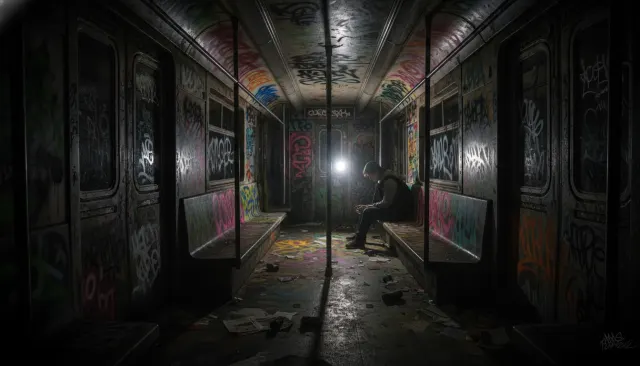 Era Specific Color1980s Subway Graffiti Bruce Davidson
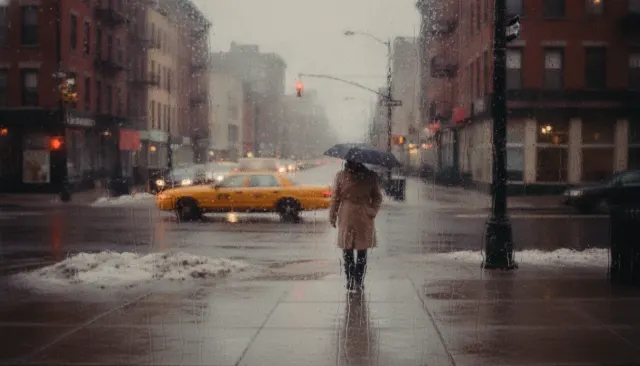 Era Specific Color1970s Gritty New York Color Saul Leiter
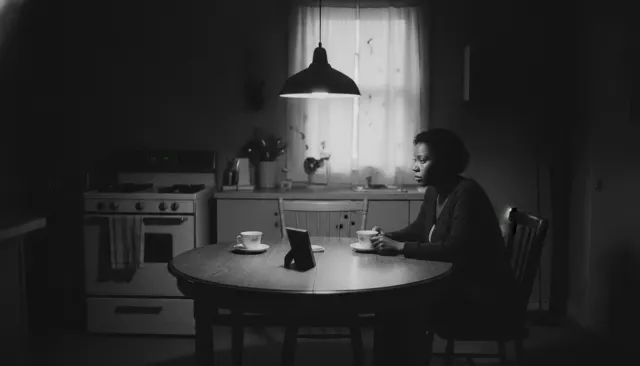 Photographers Color ModernCarrie Mae Weems Narrative BW
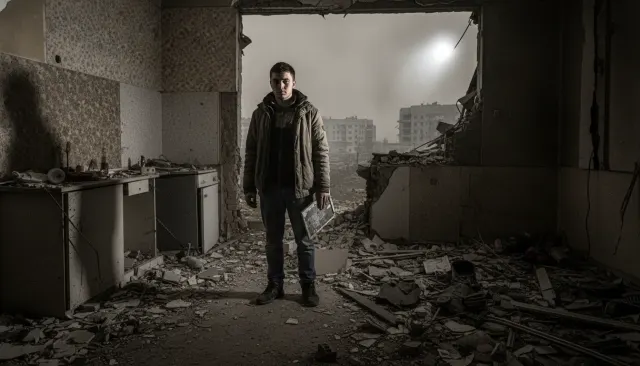 Genres ExtendedConflict Zone Photojournalism Color
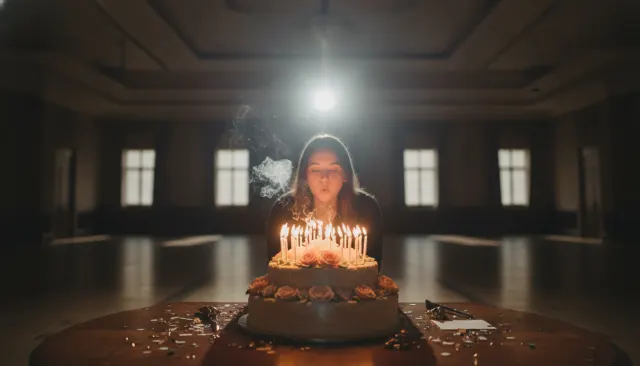 Family Event CasualBirthday Candle Flash
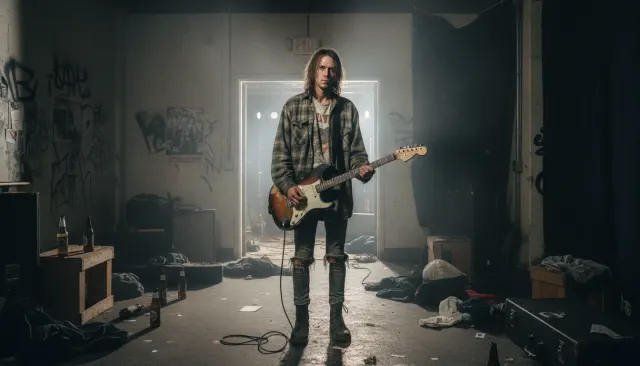 Era Specific Color1990s Grunge Music Portrait
Your first cut
is on us.
+ New videoFree plan · no card · 1080p export