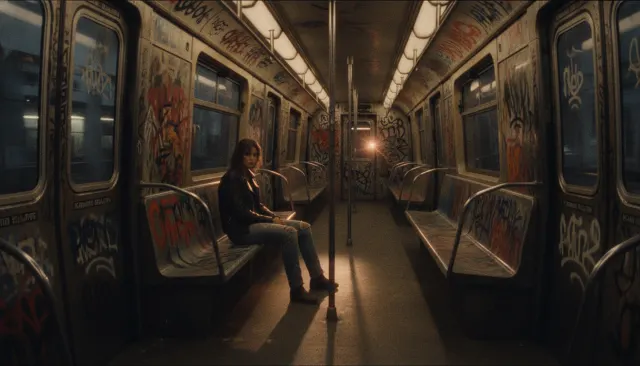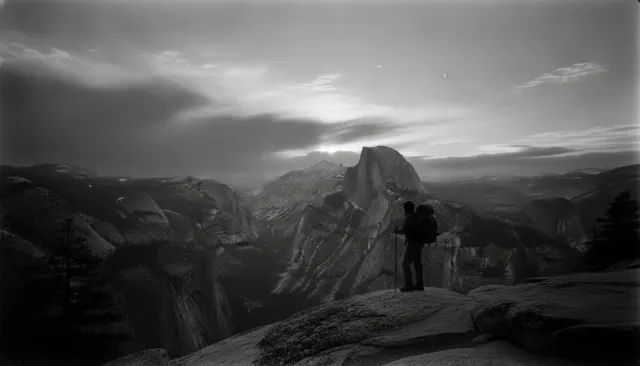
James Nachtwey, 'Inferno' monograph (Phaidon, 1999)
career-spanning conflict documentation
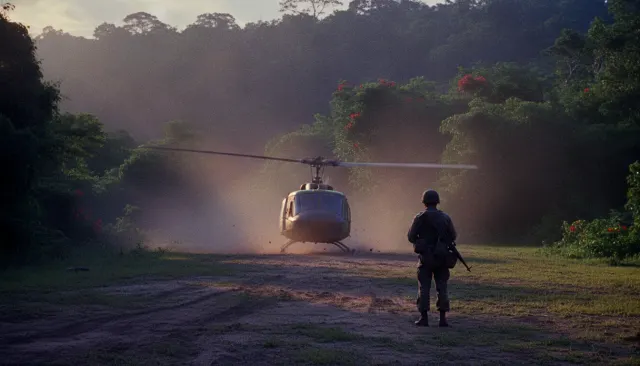
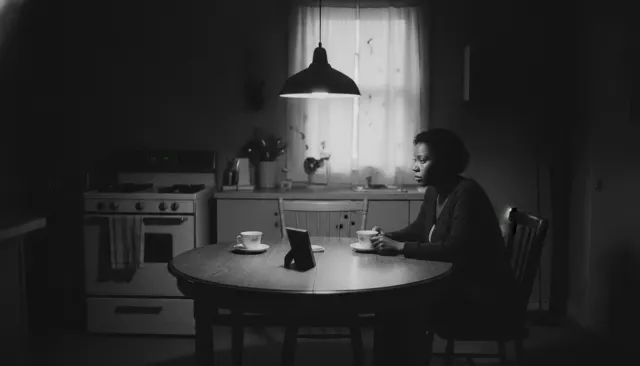
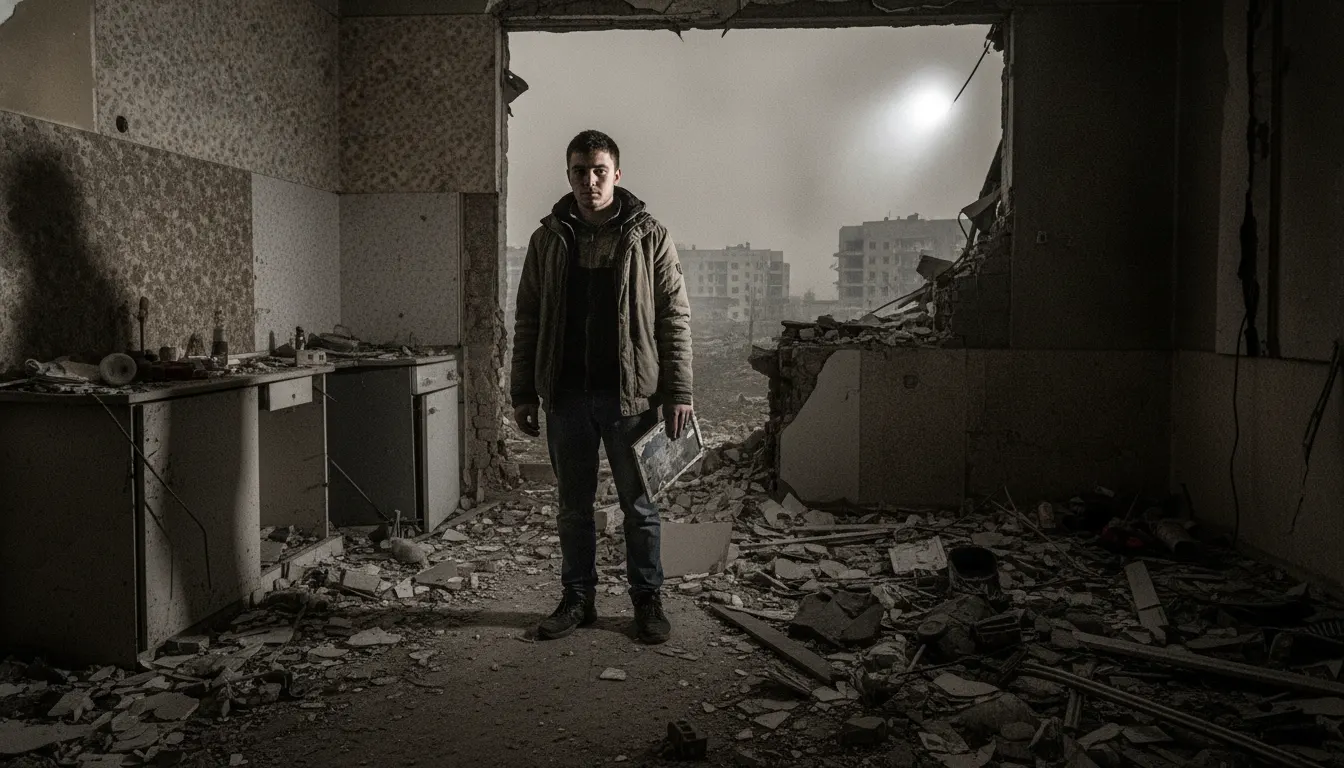
Conflict-zone photojournalism color. Syria Ukraine flash-bulb wreckage, civilian portrait in destroyed apartment, World Press Photo finalist register.
The moves a human crew would use to get here. Cue applies them for you, and knowing their names is how you ask for a change.
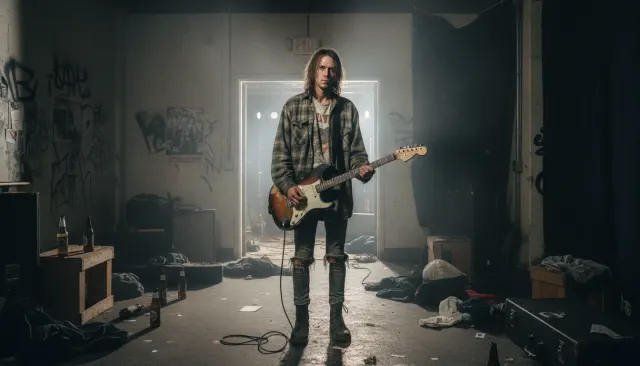
ambient light from windows, fires, and sky provides the only illumination
palette color: the actual color environment of conflict zones (beige, gray, brown) rather than film-enhanced color
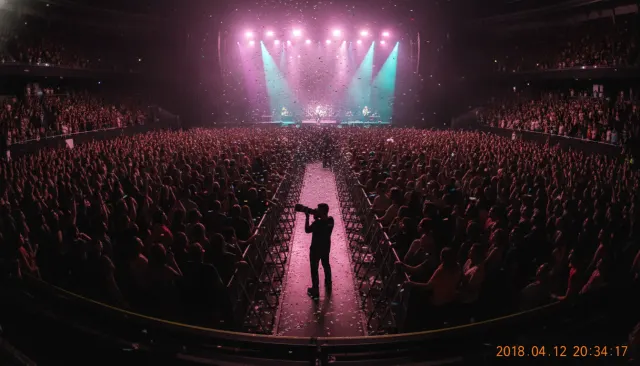
digital grain visible in shadow areas from shooting at 1600-6400 ISO
the physical risk of proximity gives conflict images their emotional immediacy
evidence of trained visual instinct
neutral, slightly desaturated, no filter aestheticization
Contemporary conflict zone photojournalism occupies a visually distinct space from the magazine color photography of the Vietnam era - shaped by the transition to digital capture, by the ethics debates that followed Susan Sontag's Regarding the Pain of Others (2003), and by the work of photographers whose careers have defined the post-Cold War period of armed conflict documentation.
Where the Vietnam era was defined by Kodachrome warmth and the specific color response of 1960s reversal film, contemporary conflict photography tends toward a more neutral, desaturated palette that draws on the actual color environment of the conflict zones being documented - the dust-beige of Afghanistan and Iraq, the gray overcast of Eastern European urban warfare, the harsh midday tropical light of African and Middle Eastern contexts.
Key photographers who define the contemporary aesthetic include:
James Nachtwey (b. 1948) - the dominant figure in contemporary conflict photography, represented by VII agency. His career spans Central America, South Africa, Chechnya, Rwanda, Kosovo, Afghanistan, Iraq, and Darfur. His work maintains a formal quality - strong geometric composition, use of ambient light rather than flash, close proximity to subjects - that gives even the most disturbing documentary images a quality of considered craft. His 2001 documentary War Photographer (dir. Christian Frei) revealed his working methodology.
Lynsey Addario (b. 1973) - Pulitzer Prize winner (2009, with New York Times team) for coverage of Darfur and Afghanistan. Addario's memoir It's What I Do (Penguin Press, 2015) documents twenty years of conflict photography and the specific experience of being a female photographer in conflict zones.
Tyler Hicks (New York Times) - Pulitzer Prize winner (2009) for Pakistan conflict coverage, known for work in Libya, Gaza, and Somalia.
The transition from film to digital in the early 2000s changed conflict photography's visual character significantly. Digital sensors - particularly early Canon 1D and 1Ds bodies - rendered color more neutrally than Kodachrome or Velvia. The absence of film grain was compensated for by noise at high ISO, but the noise structure is different.
The ethics of conflict photography intensified after Sontag's Regarding the Pain of Others (2003) questioned whether images of suffering produce empathy or habituation. The World Press Photo Foundation's annual competition has become both the industry standard for excellence and a venue for ongoing debate about manipulation, staging, and representation.
career-spanning conflict documentation
2015
Nachtwey methodology
2009
1993
documentary aesthetic parallels
1936
foundational conflict photography question of staging
A Look is not a filter. It is a set of stored decisions the pipeline reads before it makes a single frame, so two videos in the same Look actually match.