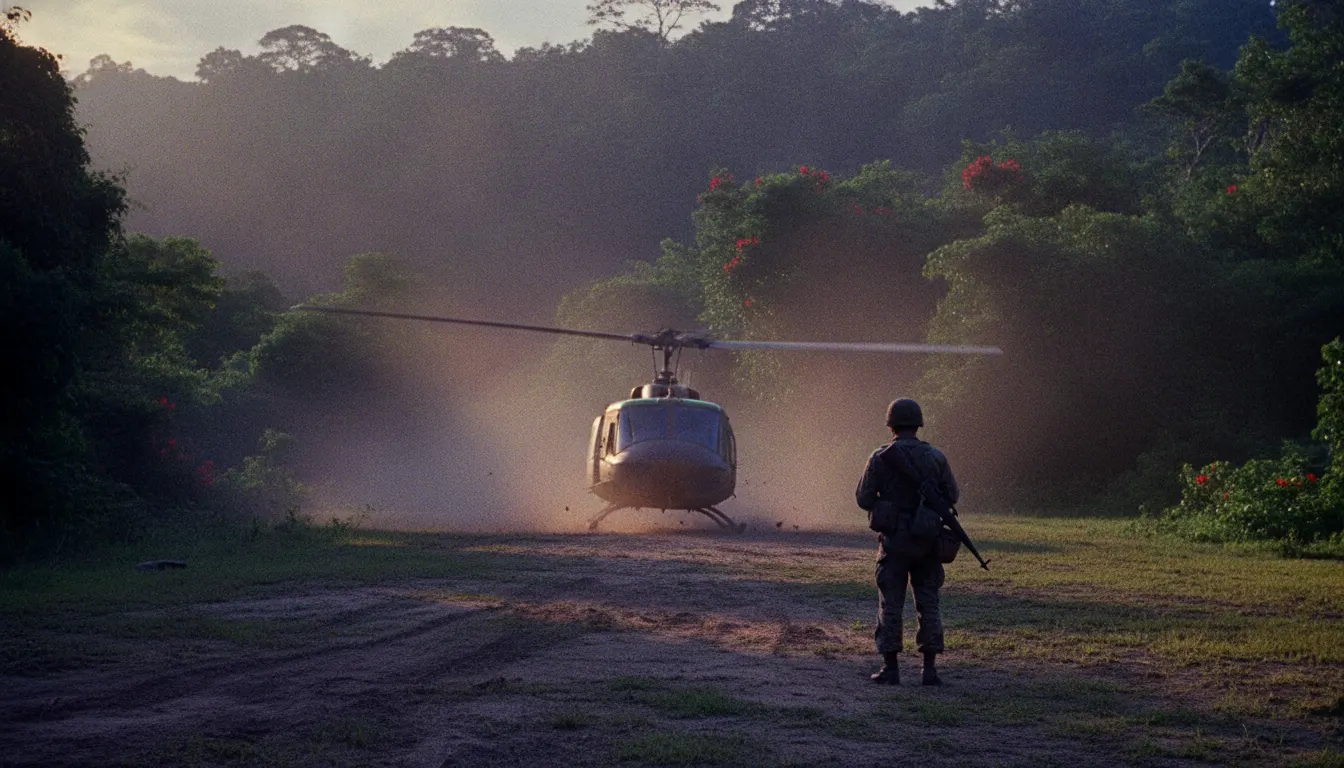
Larry Burrows, 'Yankee Papa 13'
Life magazine essay, 1965
1960s Vietnam color magazine. Larry Burrows Henri Huet Life cover, Huey helicopter rotor wash, jungle saturated greens, Ektachrome reportage.
The moves a human crew would use to get here. Cue applies them for you, and knowing their names is how you ask for a change.
warm amber skin tones, oversaturated jungle greens, blocked shadow detail
f/2.8) creating selective focus on faces
visible but not stylized
axis compositions suggesting handheld urgency rather than deliberate framing
photojournalist proximity creating intimacy with suffering
second capture aesthetic - no time for optimal exposure or composition
The visual language of the Vietnam War is inseparable from the photographers who defined it - a generation of photojournalists shooting 35mm Leica and Nikon F cameras on Kodachrome and Ektachrome film under conditions of extreme danger. The resulting aesthetic became one of the most distinctive and emotionally devastating in documentary history.
Larry Burrows (Life magazine, 1962-1971) is the defining figure. His 1965 essay "Yankee Papa 13" - a day aboard a helicopter crew - introduced visceral color to combat photography, showing blood, mud, and exhaustion in intimate close focus. His image of a wounded Marine reaching toward a fallen comrade became one of the most reproduced photos of the war. Burrows died in a 1971 helicopter crash over Laos alongside three other photojournalists.
Henri Huet (AP, 1965-1971) worked alongside Burrows and was killed in the same crash. His imagery was notable for its humanity - soldiers at rest, medics working, villages destroyed - giving the conflict a human scale beyond battlefield heroics.
Don McCullin (The Sunday Times, UK) brought his Nikon F into the siege of Hue during the 1968 Tet Offensive, producing images of shell-shocked Marines and civilian suffering that remain among the most powerful anti-war photographs ever made.
The color palette is characterized by oversaturated jungle greens, deep red earth, and the harsh midday tropical light of Southeast Asia. Kodachrome's characteristic warm bias pushed skin tones toward amber. Film grain is visible but not overwhelming. Shadows block up, highlights blow slightly - the exposure latitude of 1960s emulsions shot under difficult conditions.
Compositions are documentary-instinctive: available light, wide apertures, slightly tilted horizons that convey urgency. Faces photographed at close range, often mid-action or in states of distress. The frame edges are abrupt - no time for careful composition.
Life magazine was the primary vehicle for this imagery reaching American households in the 1960s. The publication's large-format pages gave color photography unprecedented emotional impact. By 1969, television had largely supplanted still photography as the primary combat medium, but the magazine era established a visual vocabulary that subsequent generations of photojournalists inherited.
The look influenced films including Apocalypse Now (1979), Platoon (1986), and Full Metal Jacket (1987), all of which drew on this photographic aesthetic for color grading and visual texture.
Life magazine essay, 1965
Mutter Ridge, 1966
A Look is not a filter. It is a set of stored decisions the pipeline reads before it makes a single frame, so two videos in the same Look actually match.
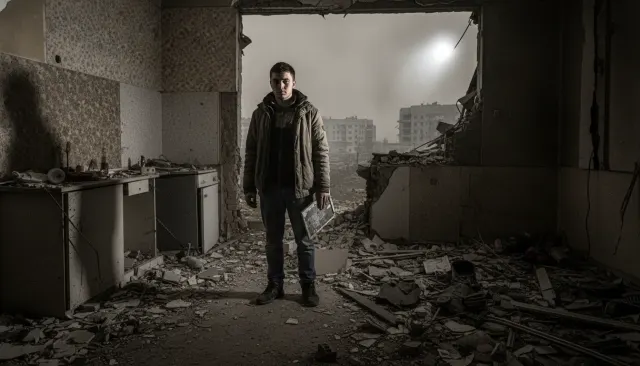 Genres ExtendedConflict Zone Photojournalism Color
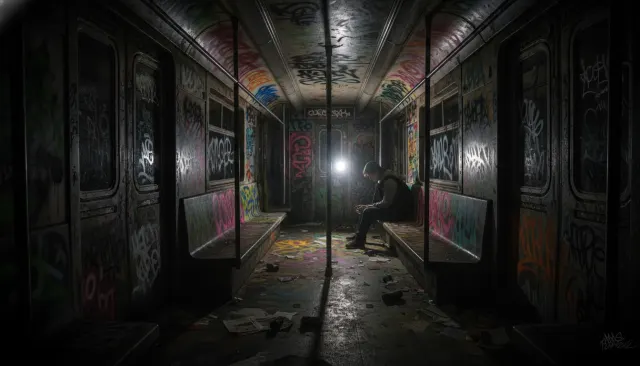 Era Specific Color1980s Subway Graffiti Bruce Davidson
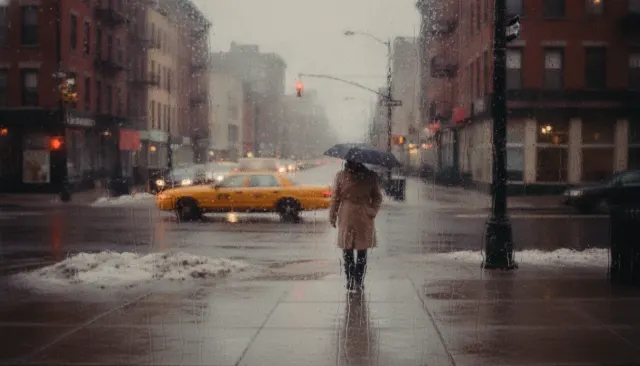 Era Specific Color1970s Gritty New York Color Saul Leiter
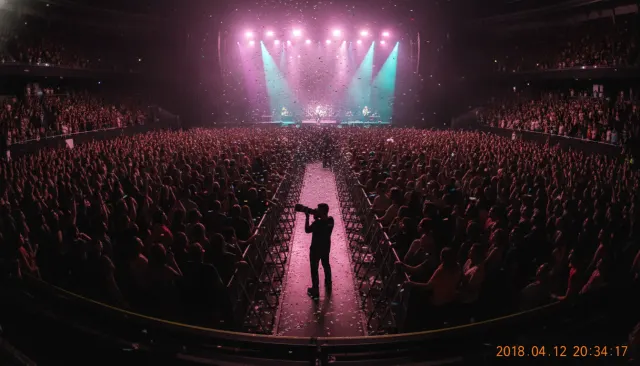 Genres ExtendedConcert Photography Stage Lights
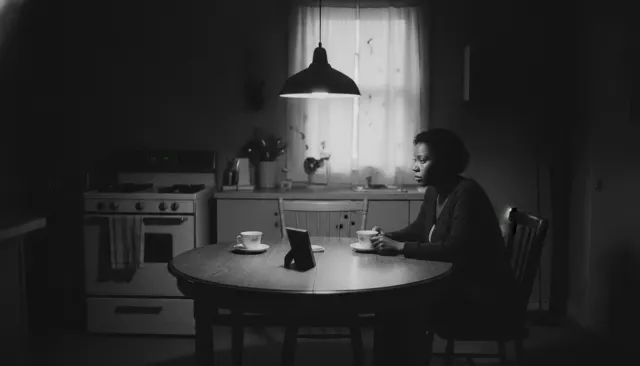 Photographers Color ModernCarrie Mae Weems Narrative BW
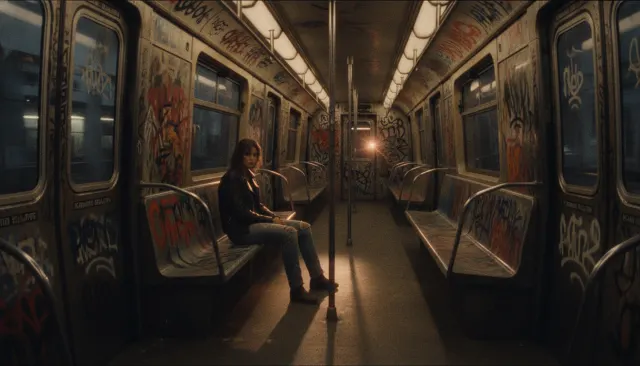 Street PhotographyBruce Davidson Subway Flash