John Lennon and Yoko Ono, Rolling Stone (Dec 8, 1980)
Lennon's last portrait
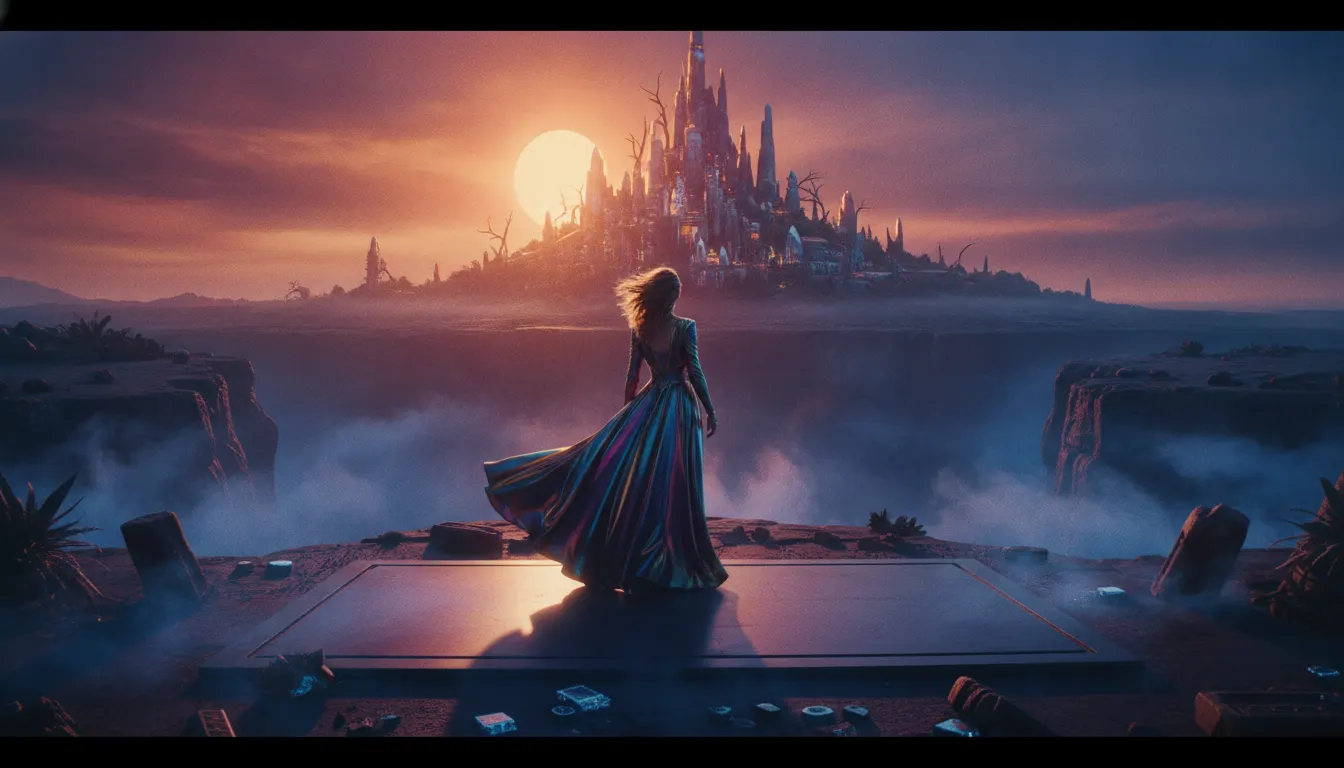
Annie Leibovitz Vanity Fair celebrity portrait. Cinematic staging, color-graded saturated set, big-concept narrative, Rolling Stone cover legacy.
The moves a human crew would use to get here. Cue applies them for you, and knowing their names is how you ask for a change.
key white or color-blocked backgrounds in studio work, real environments for documentary work
face fills frame from hairline to chin
warm lighting on warm-toned subjects, cool on pale
era color: Kodak Portra 160/400 warmth with controlled highlight rolloff
Annie Leibovitz (b. 1949, Waterbury, Connecticut) is the most commercially recognized portrait photographer in American history. Her work spans two distinct phases: the immersive documentary-portrait work of her Rolling Stone years (1970-1983) and the elaborately staged theatrical productions of her Vanity Fair and Vogue period (1983-present). Both phases share her core practice: building relationships with subjects over extended sessions to access states of authentic vulnerability or extraordinary theatricality.
LeiboviTz joined Rolling Stone as a staff photographer at age 20 in 1970 and became chief photographer in 1973. The work from this decade is raw and intimate: tour bus interiors, backstage rooms, hotel corridors. She traveled with the Rolling Stones on their 1975 Tour of the Americas and the 1973 tour documented in Exile on Main Street production photography. The resulting images - Mick Jagger at close quarters, Keith Richards asleep on a couch, intimate party scenes - have the quality of family photographs made by someone with unlimited access and no professional distance.
The most historically significant image from this period: John Lennon and Yoko Ono, shot December 8, 1980 for Rolling Stone's Double Fantasy cover story. The session produced the image of a naked, curled Lennon pressed against a fully clothed Yoko - the last portrait of Lennon before he was shot dead outside the Dakota building five hours after the session ended. Art director Jann Wenner ran it as a double-page spread in January 1981. Leibovitz has described that Lennon specifically preferred the nude version.
Demi Moore, Vanity Fair cover, August 1991 - Leibovitz photographed a visibly pregnant Moore nude, the cover cropped just below the navel. Editor Graydon Carter published it over significant internal opposition. The image appeared on 4 million copies and fundamentally changed the representation of pregnant bodies in mass media. It generated more mail to the magazine than any previous cover and has been referenced, parodied, and analyzed continuously since publication.
Her Vanity Fair work established the format of elaborate theatrical portrait sessions: full studio production, complex lighting, costumes, set design, multiple assistants. The Leibovitz Hollywood issue portfolios (annual since 1995) deploy these resources for group portraits of major stars.
LeiboviTz shoots on medium and large format - in her film years, a Hasselblad 500CM and later a Mamiya RZ67. Studio work is lit with a combination of large softboxes, Octoboxes, and practical set lighting. The characteristic color palette is high-key and clean in studio work, with deep saturation and precise shadow control.
Lennon's last portrait
1975
2007
2008
Susan Sontag collaboration
A Look is not a filter. It is a set of stored decisions the pipeline reads before it makes a single frame, so two videos in the same Look actually match.
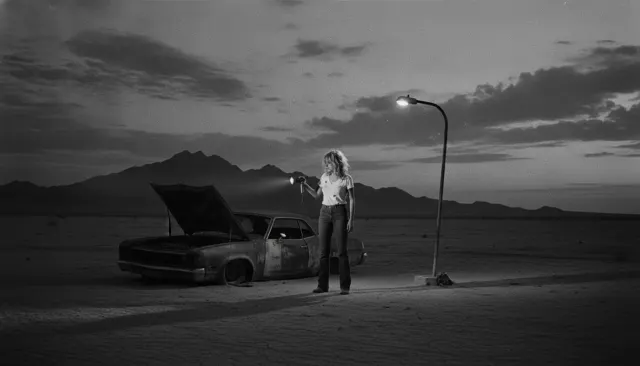 Photographers Fine ArtCindy Sherman Conceptual Portraiture
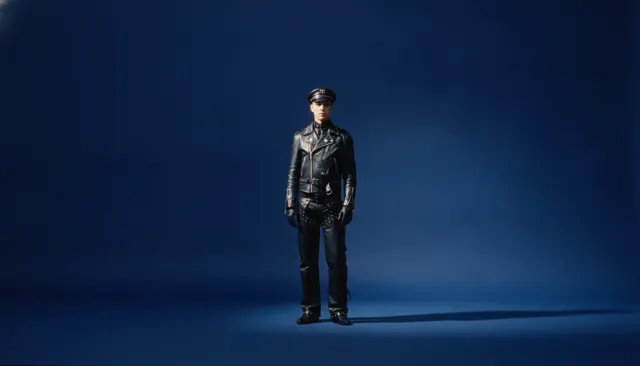 Photographers Fine ArtCatherine Opie Portrait Formal
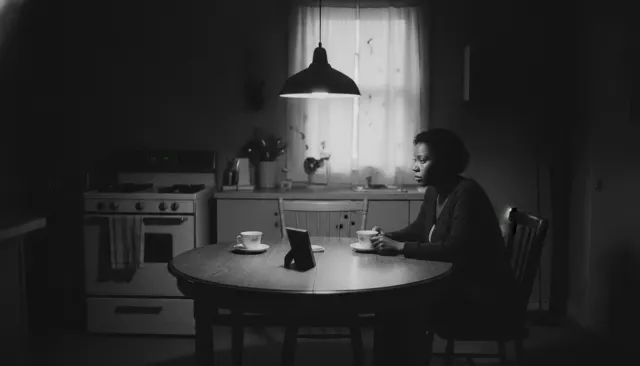 Photographers Color ModernCarrie Mae Weems Narrative BW
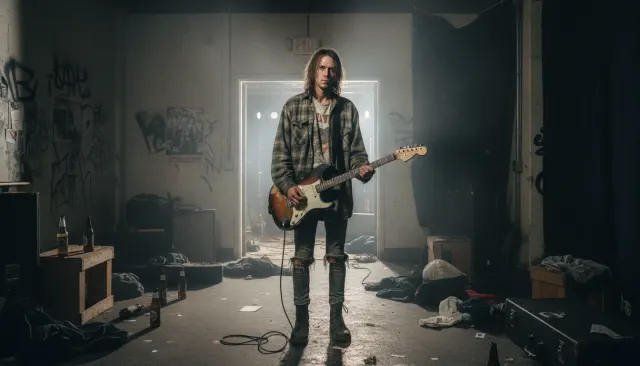 Era Specific Color1990s Grunge Music Portrait
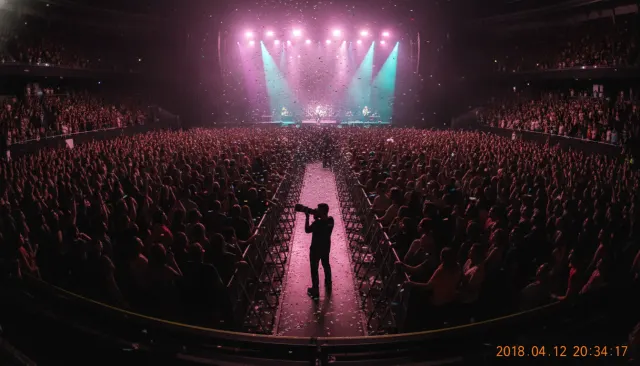 Genres ExtendedConcert Photography Stage Lights
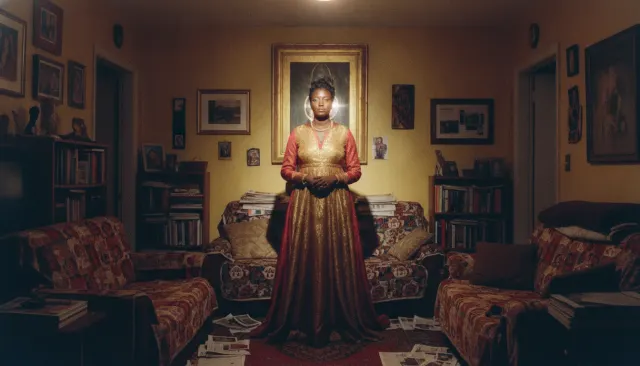 Photographers Color ModernDeana Lawson Staged Color Portrait