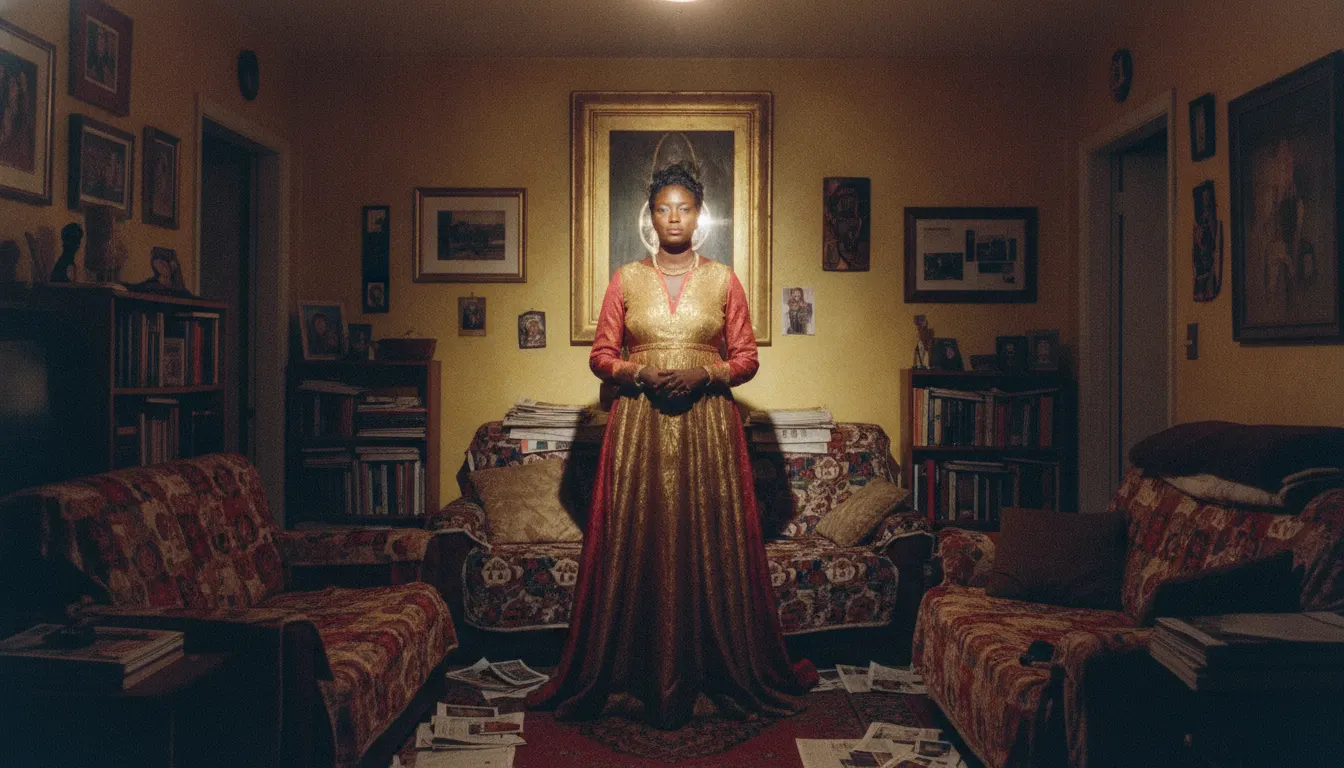
Deana Lawson
*Planes* (2022, Aperture), first major monograph
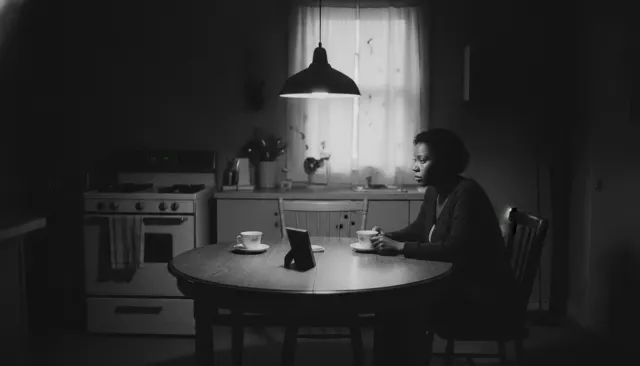
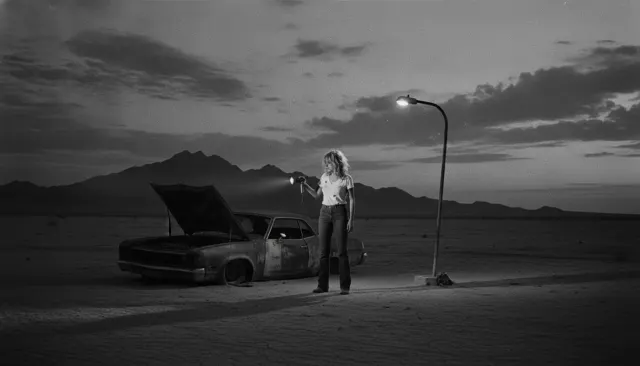
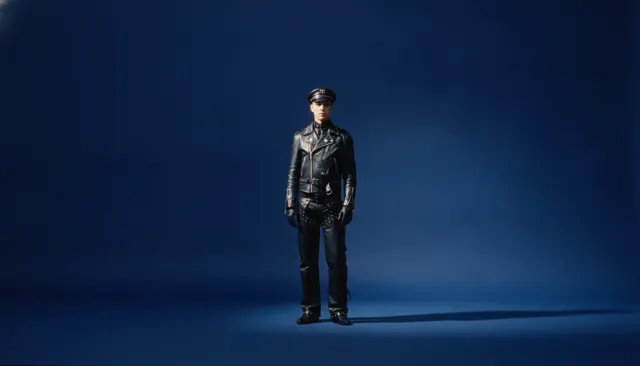
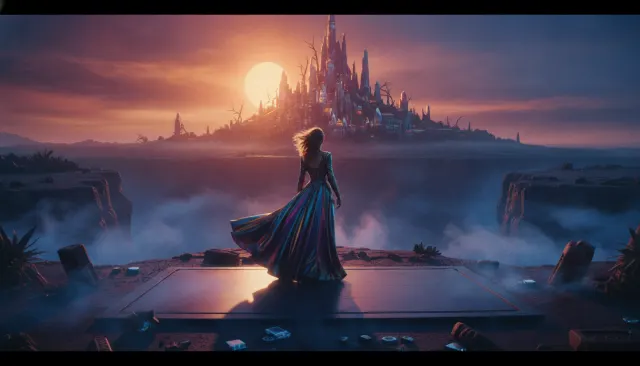
Deana Lawson staged Black domestic portrait. Lived-in apartment interior cast and dressed, sacral on-camera flash, Renaissance-scale family icon.
The moves a human crew would use to get here. Cue applies them for you, and knowing their names is how you ask for a change.
format 4x5 or high-resolution digital capture for painting-like detail and presence
real homes, hotel rooms, or constructed interiors laden with personal and cultural objects
hours of conversation and adjustment before the shutter fires
direct eye contact that establishes subject authority
background objects, family photographs, religious icons as secondary narrative
full exposure range maintained, nothing crushed
Deana Lawson (born 1979, Rochester, New York) is one of the most significant American photographers working today. Since 2009, she has developed a body of work that stages elaborate color portraits of Black subjects - often strangers recruited from the communities she visits - in domestic settings, hotel rooms, or constructed tableau environments. Her photographs occupy an ambiguous space between documentary and fiction, between intimate portraiture and formal painting.
Lawson works with a large-format 4x5 camera and high-resolution digital capture, giving her images a painterly precision that echoes art-historical portraiture. She scouts subjects in Black communities across the United States, Jamaica, the Democratic Republic of Congo, Ethiopia, and beyond, then works closely with them to construct scenes - adjusting clothing, props, lighting, and pose over hours. The resulting images feel simultaneously discovered and deliberate. Subjects are shown with calm authority; the domestic space around them - family photographs, religious objects, everyday furniture - accumulates into dense cultural meaning.
Lawson's portraits center the Black body with an unflinching directness that owes debts to Malick Sidibé's West African studio portraiture, the social documentary tradition of photographers like James Van Der Zee (Harlem Renaissance), and the conceptual rigor of artists like Lorna Simpson. Nudity appears frequently and without prurience - the body is treated as both a specific individual's and a vehicle for collective history. Ancestral photographs, religious iconography, and Afrocentric objects reframe Black domestic space as spiritual territory.
Lawson received the Deutsche Börse Photography Foundation Prize in 2021, the Guggenheim Fellowship (2016), and a MacArthur Fellowship (2020). Her first major monograph, Planes (2022, Aperture), collected her work through the 2010s. She teaches at Columbia University's MFA photography program.
Lawson's work arrives in a tradition of photographers who have used the directed portrait to speak about collective identity: James Van Der Zee's Harlem Renaissance studio portraiture (1916-1940s), Malick Sidibé's Mali studio work (1960s-1970s), and Seydou Keïta's West African portraiture. Where those predecessors worked primarily with photography as a social institution - the studio as a place of self-presentation - Lawson's work deconstructs and reconstructs the domestic as sacred space. Her images ask the viewer to reckon with what it means to be seen on one's own terms.
*Planes* (2022, Aperture), first major monograph
*Centropy* (2019, Guggenheim exhibition and catalog)
2009
*Hank and Cookie* , early domestic portrait establishing her methodology
Congo series (2014-2016), portraits made in Kinshasa
2021
Deutsche Börse Photography Foundation Prize exhibition
2011
*Jamaica* series , Caribbean domestic portraiture
A Look is not a filter. It is a set of stored decisions the pipeline reads before it makes a single frame, so two videos in the same Look actually match.