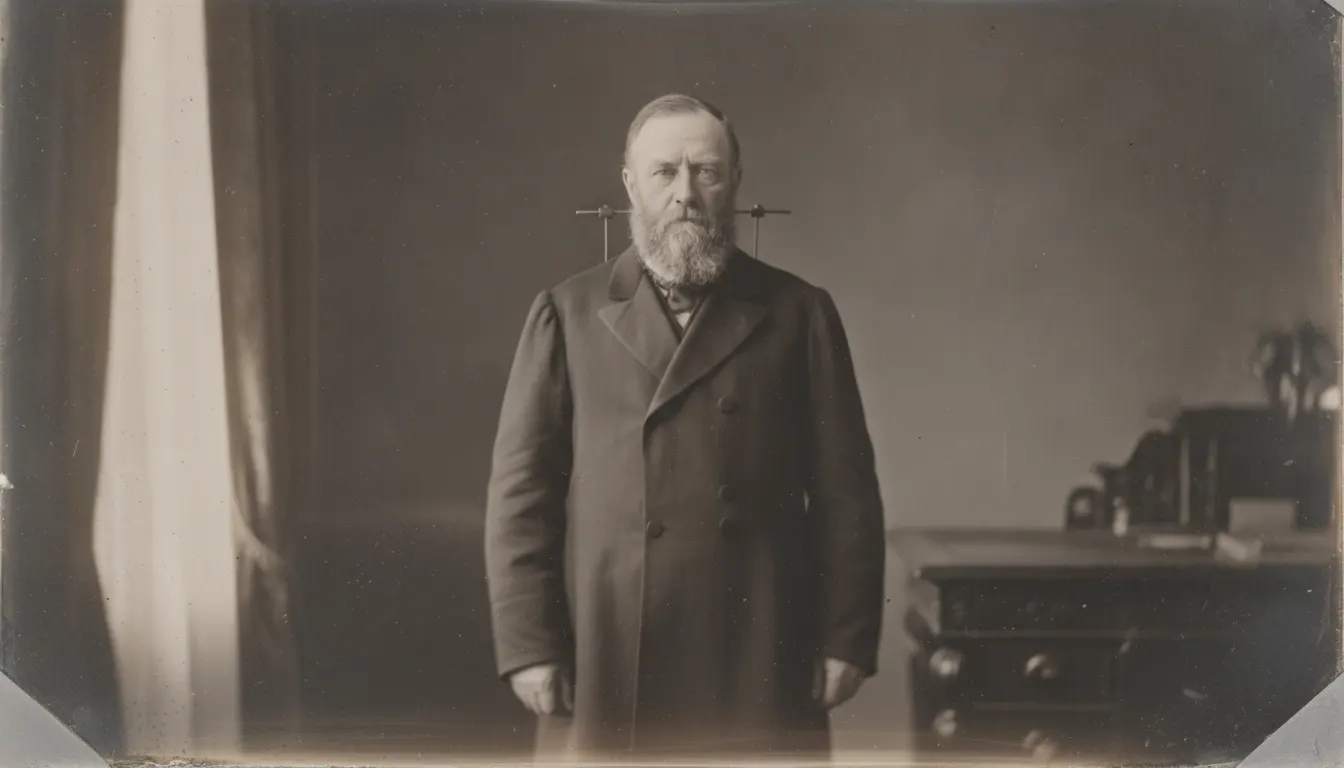
Louis Daguerre
*Boulevard du Temple* (c.1838), earliest surviving street scene with a human figure
Earliest commercial photographic process. Polished silver-plate mirror image, long exposure stiffness, head clamps, formal Victorian sitter.
The moves a human crew would use to get here. Cue applies them for you, and knowing their names is how you ask for a change.
toned, near-mirror surface with extreme tonal range and fine detail
applied coloring: cheek blush and jewelry highlights added with powdered pigments
images are laterally flipped unless a correcting mirror prism was used
On 7 January 1839, the French Academy of Sciences announced Louis-Jacques-Mandé Daguerre's process for producing permanent photographic images on silver-coated copper plates. The announcement triggered worldwide excitement; within a year, portrait studios had opened across Europe and North America, and the daguerreotype became the dominant photographic medium until the mid-1850s.
The daguerreotype is unique among photographic processes: each plate is a one-of-a-kind direct positive - no negative exists. The image is formed from microscopic silver-mercury amalgam particles on a polished silver surface and can only be viewed from a precise angle, shifting between positive and negative as the plate is tilted. This mirror-like quality gives authentic daguerreotypes a luminous, almost holographic depth entirely absent from paper prints.
Contrast is extremely high, with delicate mid-tones. Detail resolution was remarkable for the era, approaching the finest lenses of the day. Exposure times - initially several minutes outdoors, later reduced to seconds - meant subjects had to remain perfectly still, producing the characteristic rigid, composed expressions of 19th-century formal portraiture.
By the 1840s, the daguerreotype studio had become a democratic institution. For the first time in history, working- and middle-class families could own a likeness of themselves. Studios competed on speed and quality; Mathew Brady's New York galleries (from 1844) set the standard, later training photographers who would document the American Civil War. Richard Beard opened the first commercial portrait studio in London in 1841.
The daguerreotype fell out of widespread use after George Eastman popularized flexible roll film in the 1880s, but it has never fully disappeared. Artists still practice the process today. Simulated daguerreotype aesthetics appear in period dramas, heritage brand campaigns, and fine-art portraiture that seeks the gravitas of 19th-century formal imagery.
*Boulevard du Temple* (c.1838), earliest surviving street scene with a human figure
early daguerreotype portraits of presidents and prominent Americans, 1840s
1841
first commercial portrait daguerreotypes, London
studio daguerreotypes of Boston society figures, 1843-1862
portrait of Chief Justice Lemuel Shaw, c.1851, Metropolitan Museum of Art
1839
*Earliest known photographic portrait of a living person*, Robert Cornelius self-portrait
A Look is not a filter. It is a set of stored decisions the pipeline reads before it makes a single frame, so two videos in the same Look actually match.
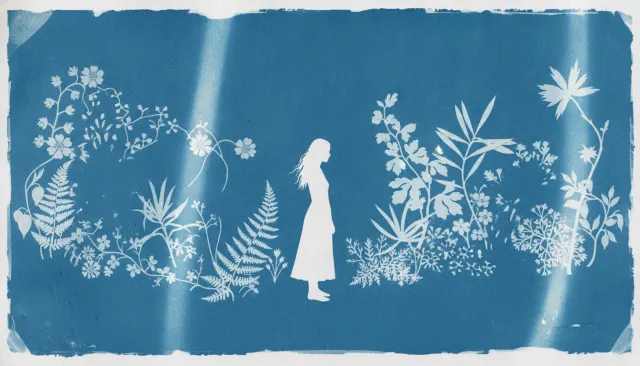 Vintage Formats ExtendedCyanotype Blue Print Historical
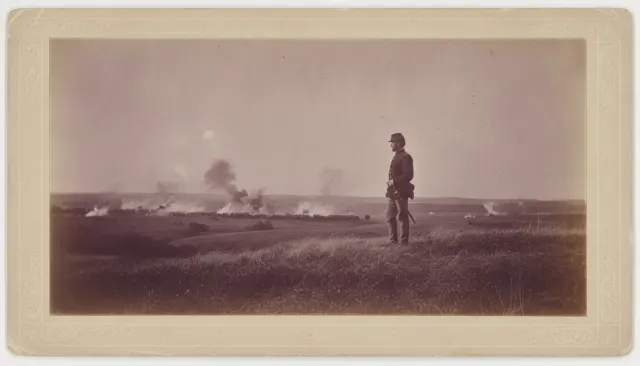 Vintage Formats ExtendedAlbumen Print 1860s Portrait
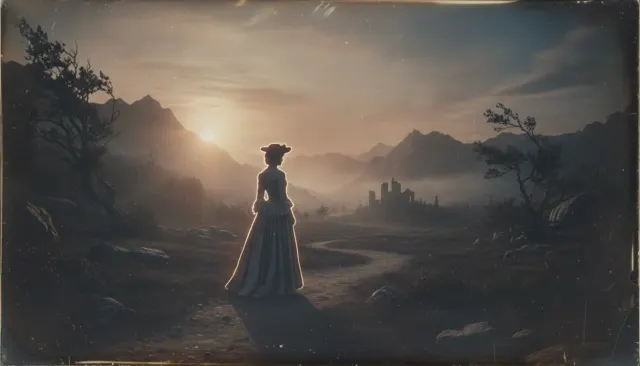 Analog Process ExtendedDaguerreotype Modern Recreation
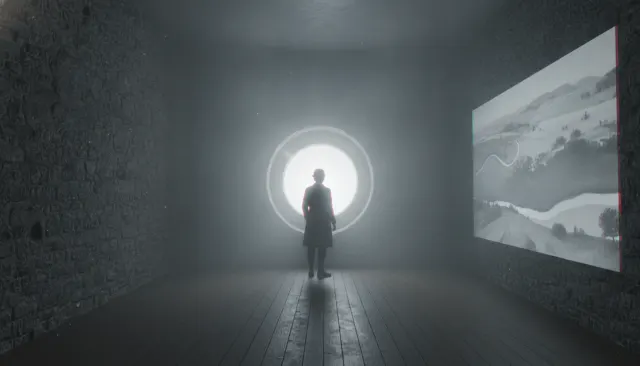 Analog Camera ExtendedCamera Obscura Pinhole Historical Aesthetic
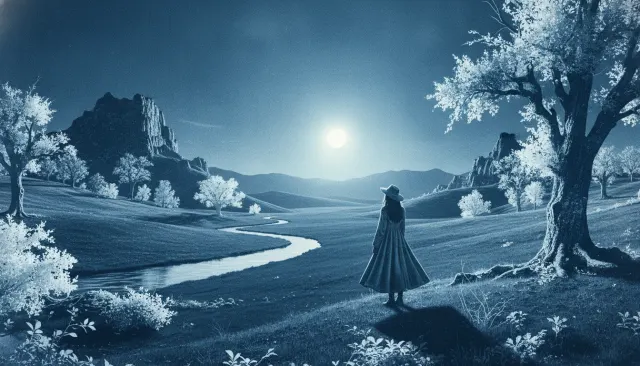 Print Process HybridBlueprint Cyanotype Mix with Photo
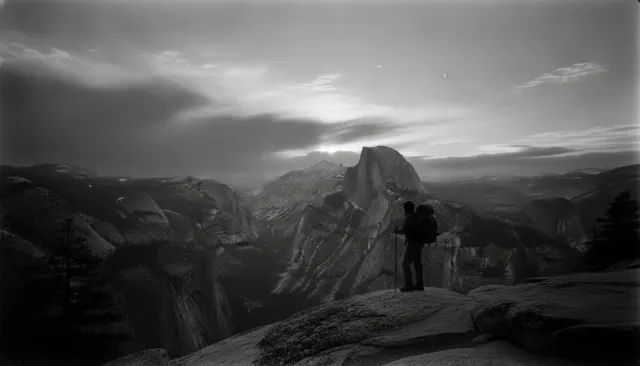 Wildlife NatureAnsel Adams BW Yosemite Large Format