Anna Atkins, Photographs of British Algae: Cyanotype Impressions (1843-1853)
the first photographic book
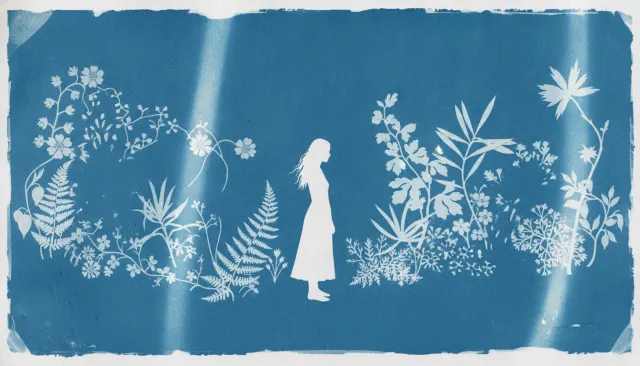
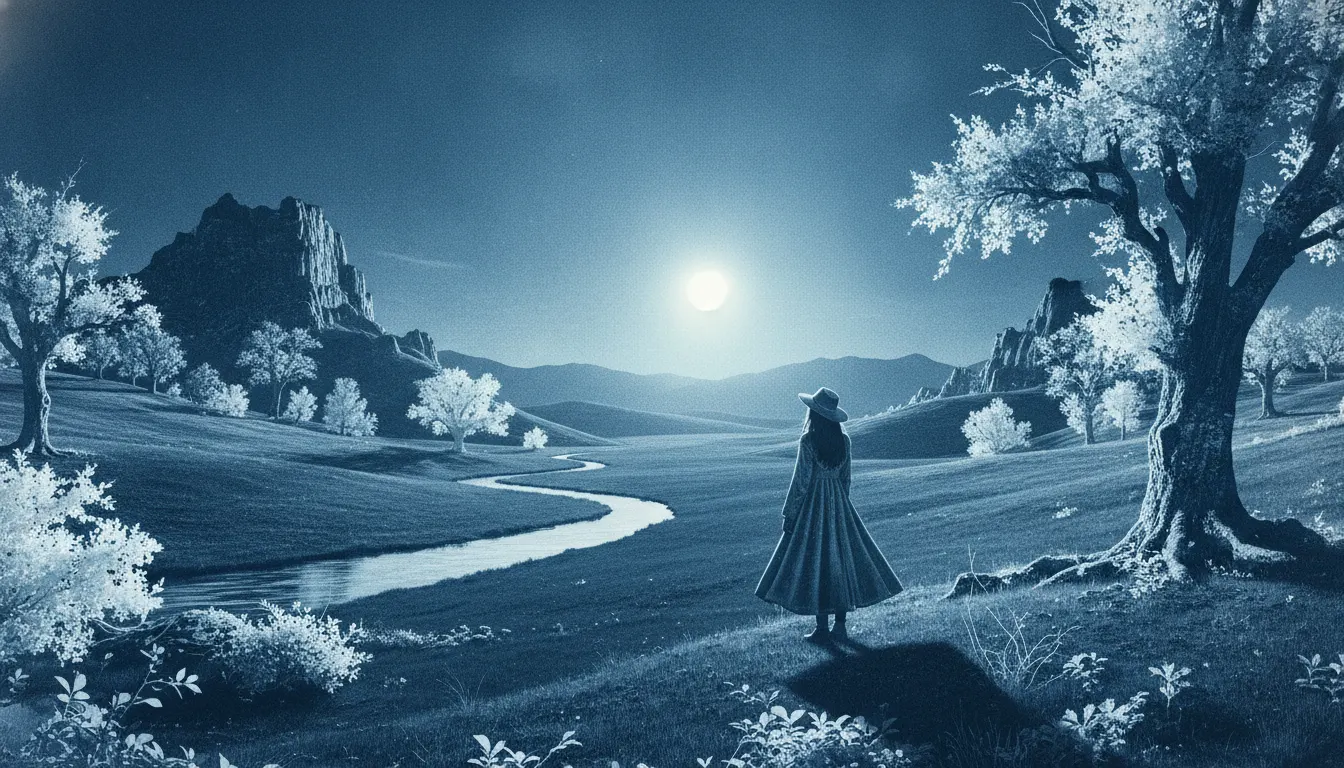
Cyanotype blueprint mixed with photographic detail. Anna Atkins botanical-cyanotype heritage, deep Prussian blue with white silhouettes, photographic detail visible inside the blueprint field.
The moves a human crew would use to get here. Cue applies them for you, and knowing their names is how you ask for a change.
object impressions in white against blue ground, directly referencing Atkins' specimen approach
technical drawing line work, measurements, and labels in blueprint white over photographed subjects
style framing: subjects arranged as if pressed specimens with taxonomic margin labels
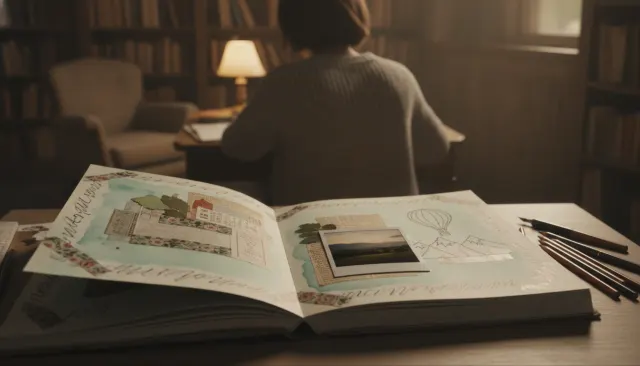
process layering: warm-tone photographic imagery alongside or beneath cool cyanotype sections in the same frame
fade at edges to replicate chemical aging
Cyanotype is one of the oldest photographic processes: developed by astronomer and chemist Sir John Herschel in 1842, it produces a distinctive prussian blue print by coating paper or fabric with iron salts and exposing it to ultraviolet light. Objects or negatives placed on the surface block light, leaving white silhouettes against the blue field. Mixing cyanotype with conventional photography creates a hybrid that pairs scientific precision with the dreamlike quality of chemistry-as-image.
Botanist Anna Atkins was the first person to produce a photographic book, publishing Photographs of British Algae: Cyanotype Impressions (1843-1853). Each volume contained direct cyanotype contact prints of algae specimens - no camera, no lens, just specimen pressed to sensitized paper. Atkins made over 400 cyanotype images across her books, producing an object that is simultaneously scientific record, visual art, and printed publication. She is the foundational figure for the cyanotype-as-document aesthetic.
The 'blueprint' variant (actually diazo process, not true cyanotype, but visually identical) became the standard reproduction method for architectural and engineering drawings from the 1880s through the 1970s. The blue-on-white, white-on-blue aesthetic of technical diagrams entered mass visual consciousness through construction, engineering, and military planning contexts. The association of blueprints with precision, planning, and expertise is culturally durable even as the technology itself is obsolete.
Since the 1990s alternative process photography revival, cyanotype has been enthusiastically embraced by fine art photographers and textile artists. Sue Sensemann, Christina Anderson, and countless workshop practitioners have expanded the process to large format fabric prints, cyanotype on wood, and hybrid combinations with gum bichromate or silver gelatin prints. Gary Fabian Miller's British photograms (no-camera light studies) extend Atkins' specimen approach into abstract territory. Contemporary photographers including Sarah Van Aken layer cyanotype with conventional silver gelatin or inkjet prints to create dual-process mixed work.
The cyanotype palette is narrow but distinctive: prussian blue ranging from near-black to near-white, with the mid-range blues carrying most visual information. This monochromatic blue field creates an immediate contrast when combined with warm-tone conventional photography: the analytical-scientific against the documentary-lived. In video, simulated cyanotype uses blue channel isolation, high contrast, and grain to replicate the process without darkroom work.
the first photographic book
1842
camera-less cyanotype in fine art
2019
scientific-aesthetic photographic precedent
mass blueprint cultural dissemination
A Look is not a filter. It is a set of stored decisions the pipeline reads before it makes a single frame, so two videos in the same Look actually match.