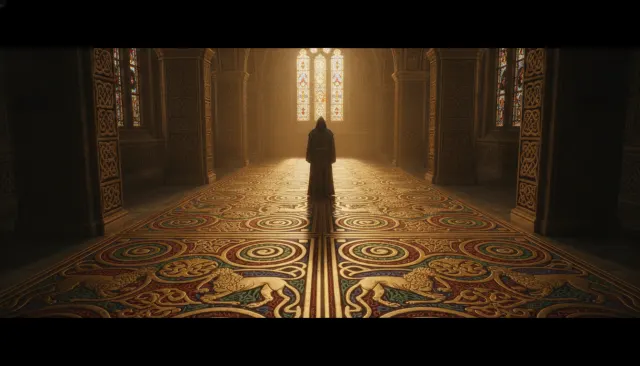
Book of Kells (Ireland, circa 800 AD)
gold and pigment on vellum, foundational illumination reference
Photograph treated like illuminated manuscript with gold leaf gilding. Hand-applied gold-leaf halo, knotwork border painted around face, devotional craft-portrait hybrid.
The moves a human crew would use to get here. Cue applies them for you, and knowing their names is how you ask for a change.
geometric or vegetal decorative borders drawn and gilded around photographic content
large decorated letters containing photographic figures as in manuscript tradition
small illustrated figures and patterns in margin spaces surrounding the photograph
faces, hands, or jewelry echoing historical hand-coloring
multiple decreasing borders in manuscript style framing central photographic content
simulation painted over photographic areas to replace photographic tone with manuscript color
Gilded mixed illuminated photo applies the visual grammar of medieval illuminated manuscripts - gold leaf, decorative borders, intricate marginalia, brilliant pigment fields - to photographic imagery. The combination creates an anachronistic tension: photography is the most modern of democratic image-making technologies; illuminated manuscripts were among the most labor-intensive and elite objects of the medieval world. Placing them in contact produces images that feel simultaneously ancient and contemporary, sacred and documentary.
Medieval manuscript illumination peaked in the 12th-15th centuries. The most significant surviving examples include the Book of Kells (Ireland, circa 800 AD), the Lindisfarne Gospels (England, circa 715 AD), and the Très Riches Heures du Duc de Berry (Limbourg Brothers, France, circa 1412-1416). These manuscripts feature gold and silver leaf grounds, bright mineral pigments (ultramarine from lapis lazuli, vermillion, verdigris), intricate interlace patterns, inhabited initials, and marginal illustrations. The gold leaf ground in illuminated manuscripts was understood theologically as divine light made visible - gold did not reflect light but was light, transcendent and non-physical.
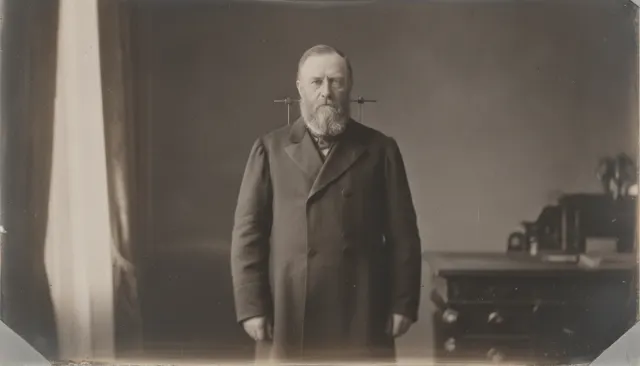
The gold-on-tintype variant represents a specifically photographic historical practice: early portrait photographers sometimes hand-applied gold highlighting to tintype and ambrotype portraits (1850s-1880s), adding painted gold jewelry, buttons, or decorative frames to black-and-white photographic portraits. This commercial practice acknowledged the inadequacy of monochrome photography to convey social status and precious materials.
Iranian-Canadian photographer Gohar Dashti layers archival and contemporary photographic imagery with painted and gold-applied surfaces, creating works that explicitly reference both documentary photography and illuminated manuscript traditions. Her Home series (2017) and subsequent works use gold and decorative overlay to interrogate displacement, memory, and the inadequacy of straight photography to hold cultural grief.
Other contemporary practitioners include artists who apply genuine metal leaf to photographic prints as part of fine art practice, and commercial photographers who simulate the aesthetic digitally for luxury brand and editorial work.
The aesthetic is defined by coexistence of extreme contrast materials: the mechanical grain and tonal range of photography against the absolute flatness and brilliance of gold leaf. Where gold occupies the image plane, depth collapses - there is no illusion of three-dimensional space, only luminous material presence. Borders and marginalia from manuscript tradition frame photographic content, creating a nested structure where the contemporary image is held within medieval ornamental logic.
gold and pigment on vellum, foundational illumination reference
gold leaf calendar miniatures
2017
A Look is not a filter. It is a set of stored decisions the pipeline reads before it makes a single frame, so two videos in the same Look actually match.