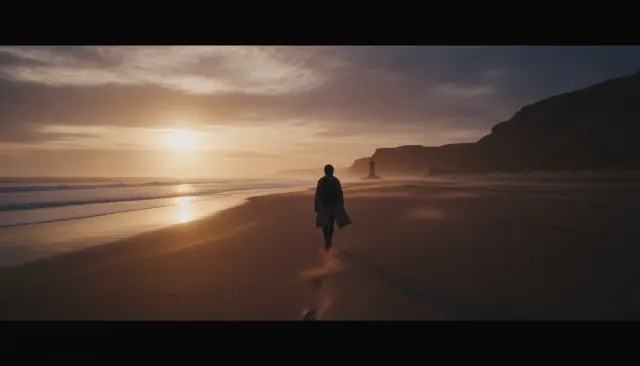
Shame
Steve McQueen / Sean Bobbitt · 2011
Defining cold-handheld intimate drama; Fassbender performance inseparable from the visual grammar
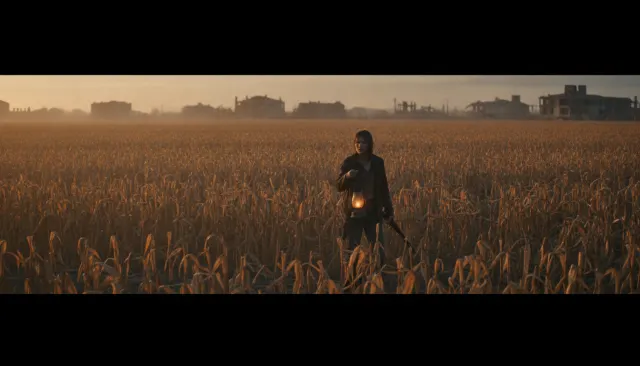
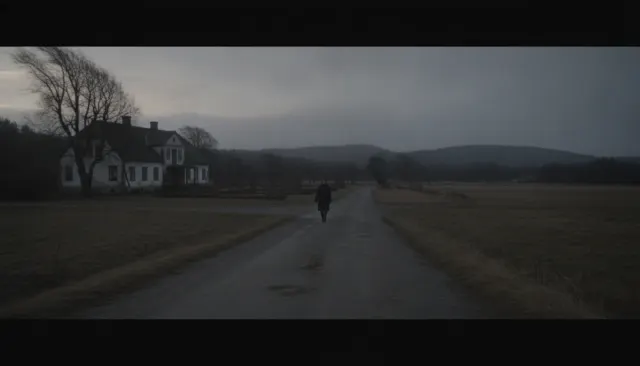
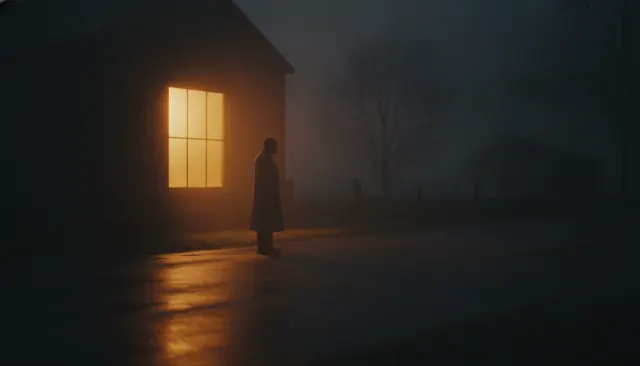
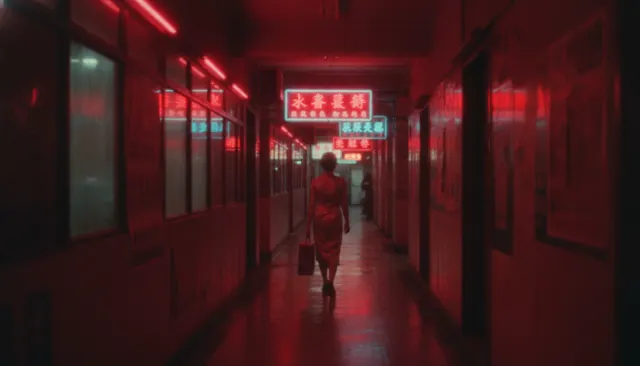
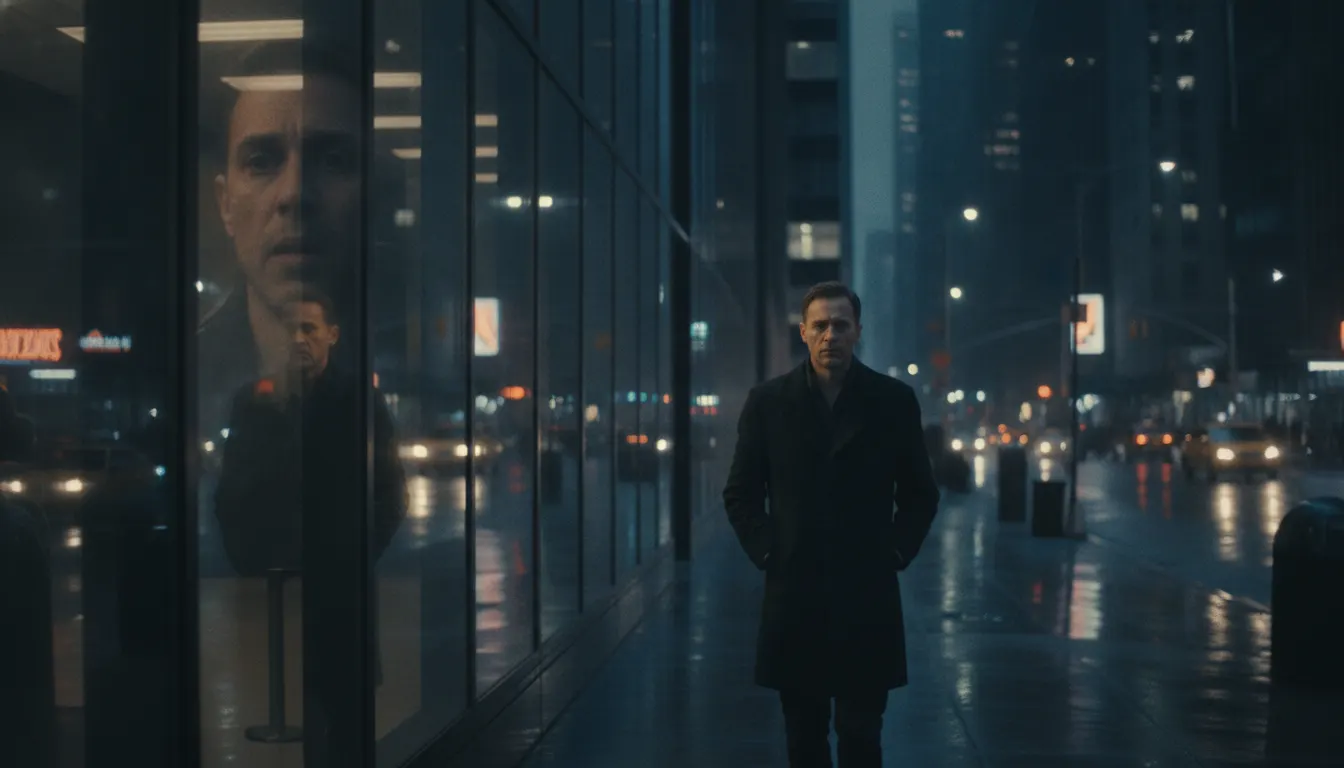
Sean Bobbitt long-take intimacy. Steve McQueen Shame and Hunger, locked subject in unbroken take, NYC night-glass reflection, raw psychological close.
The moves a human crew would use to get here. Cue applies them for you, and knowing their names is how you ask for a change.
Camera is physically close to subjects with deliberate, choice-driven movement rather than reactive scramble.
Blue-grey colour temperature from office fluorescents, glass, and ambient city light; no warming correction.
Long unbroken shots that sustain emotional exposure beyond conventional dramatic comfort.
Lighting derived from practical environmental sources: fluorescents, bathroom vanity strips, city glow.
Skin and physical form photographed with the same attentiveness as architectural and urban environments.
The camera never retreats to a comfortable observational position; its closeness is a moral position.
Sean Bobbitt is a British cinematographer whose association with director Steve McQueen has produced some of the most searching, uncomfortably intimate photography in contemporary cinema. Their collaboration on Shame (2011) is the defining example of a handheld intimate aesthetic that uses the camera's physical presence - its proximity, its unsteadiness, its refusal to look away - as a moral argument about the subjects it photographs.
Bobbitt first worked with McQueen on Hunger (2008), the film about IRA hunger striker Bobby Sands, where the camera's closeness to bodies in extremis established the grammar that Shame would refine. The approach draws on cinéma vérité tradition but applies it to scripted drama with total commitment: the camera is almost always handheld or on a very lightweight support, never retreating to the comfortable observational distance of classical staging.
Shame centres on a New York sex addict (Michael Fassbender) and uses the camera's bodily proximity as a form of exposure that mirrors the protagonist's compulsive nakedness. Bobbitt shoots skin, architecture, and the geography of Manhattan with equal attentiveness, and the handheld quality communicates an inability to impose comfortable aesthetic distance between the viewer and what is being shown.
The film's palette is built around the cold blue-grey of Manhattan steel, glass, and artificial light. Bobbitt uses available and motivated sources extensively, creating interiors lit by office fluorescents, bathroom vanity strips, and the ambient glow of a city never in full darkness. The cold palette reinforces the emotional frigidity of the protagonist's life, and the deliberate absence of warming gels or colour correction keeps the viewer in a state of mild unease.
The handheld work is distinguished from rough, documentary-referencing handheld by its deliberateness: Bobbitt's camera movements follow their subjects with the specific, purposeful quality of a camera operator who has made a choice to be close, rather than the reactive scramble of documentary. Long takes - some extending well beyond what conventional drama would sustain - force characters and viewers to remain present without the relief of a cut.
Bobbitt and McQueen extended this grammar to 12 Years a Slave (2013) and Widows (2018), adapting the intimate-handheld approach to historical epic and thriller respectively. Bobbitt has also worked with David Fincher (The Girl with the Dragon Tattoo, 2011) and Joe Wright, demonstrating the versatility of his technically precise yet emotionally engaged approach.
Steve McQueen / Sean Bobbitt · 2011
Defining cold-handheld intimate drama; Fassbender performance inseparable from the visual grammar
Steve McQueen / Sean Bobbitt · 2008
Establishing the McQueen-Bobbitt proximity grammar around Bobby Sands's hunger strike
Steve McQueen / Sean Bobbitt · 2013
Intimate-handheld at historical epic scale; Academy Award winner for Best Picture
Steve McQueen / Sean Bobbitt · 2018
Thriller adaptation of the intimate grammar: Chicago cold palette and purposeful proximity
David Fincher / Sean Bobbitt · 2011
Bobbitt's range: clinical procedural cold with Fincher's precision
Russell T Davies / Sean Bobbitt · 2021
1980s AIDS crisis drama using intimate handheld to collapse emotional distance
A Look is not a filter. It is a set of stored decisions the pipeline reads before it makes a single frame, so two videos in the same Look actually match.