13th
Ava DuVernay · 2016
Netflix; Academy Award-nominated essay doc on mass incarceration; defining political documentary grammar
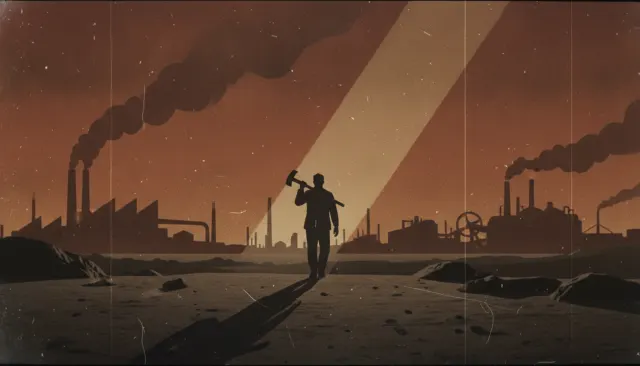
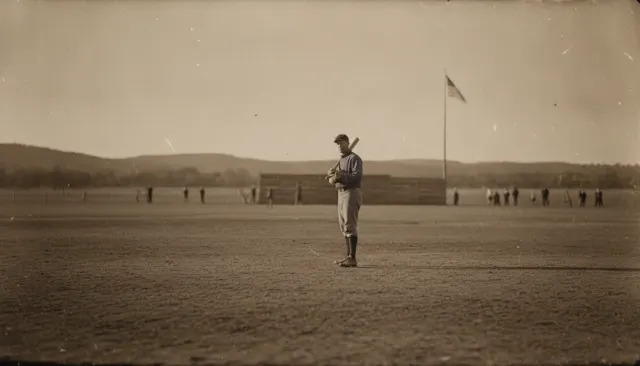
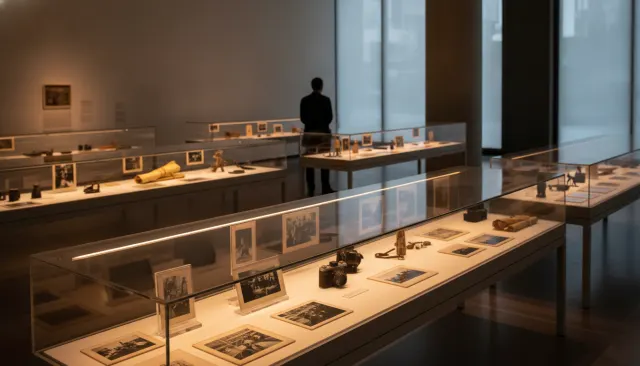
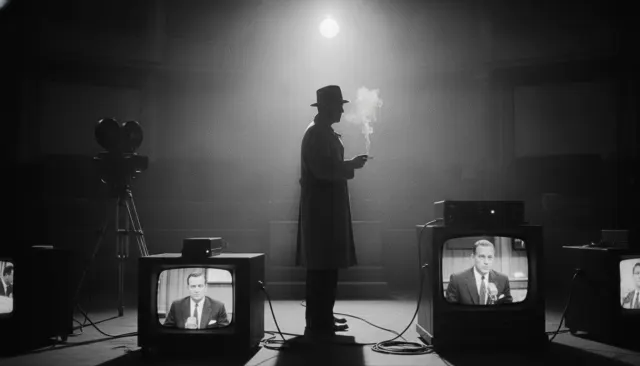
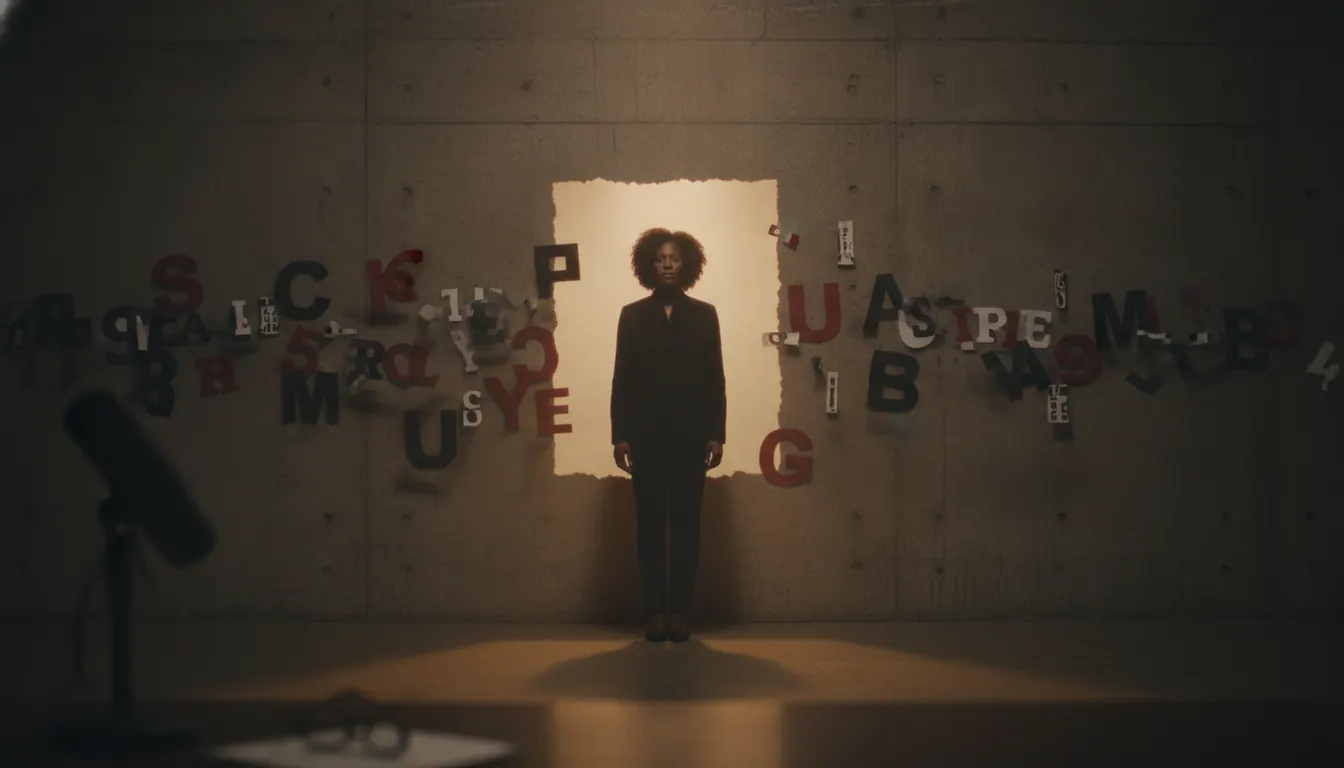
Ava DuVernay 13th archival-essay doc. Hip-hop-cut historical photo zoom, Hank Willis Thomas typography reveal, scholar interview against textured wall.
The moves a human crew would use to get here. Cue applies them for you, and knowing their names is how you ask for a change.
Archival footage and statistics sequenced so that juxtapositions construct the argument visually, independent of narration.
Talking-head setups against brick or textured walls with diffused key light signaling intellectual authority.
Large sans-serif numbers and quotes appear on screen in rhythm with editing, functioning as visual punctuation.
Slow push-in or lateral pan across archival photographs animates still evidence into cinematic time.
Hard cuts between footage from different historical eras force the viewer to construct causal and structural connections.
Contemporary vernacular footage (bystander video, social media clips) intercut with broadcast-quality archive for authenticity contrast.
Ava DuVernay's Netflix documentary 13th (2016) synthesized the conventions of the African American essay documentary into a form so cohesive and influential that it became a reference point for a generation of political filmmakers. Named for the Thirteenth Amendment to the US Constitution, which abolished slavery except as punishment for crime, the film argues that mass incarceration is the structural continuation of slavery through a dense archival-analytical montage form.
The film's core technique is what its editor Spencer Averick called 'argumentative montage' - archival footage, photographs, and scholarly talking-head interviews assembled so that the juxtapositions make the argument rather than the narration alone. DuVernay and Averick cut between historical photographs of lynchings, 1960s news footage of civil rights protests, 1980s anti-crack-epidemic political advertising, and contemporary cellphone footage of police violence to build a visual timeline that makes its thesis visible.
The interview setups deploy a textured-wall-and-diffused-key aesthetic that positions scholars, activists (Angela Davis, Bryan Stevenson, Van Jones), and politicians within a deliberate visual neutrality - the background never distracts from the intellectual content of the testimony. Lighting is soft, bookshelf-and-brick backgrounds authenticate intellectual credibility.
Hank Willis Thomas, the artist and photographer who served as visual consultant, developed the film's on-screen text system: large, sans-serif statistics and quotes that appear in rhythm with the editing, functioning as visual punctuation. The typography is bold, direct, and designed to be legible at emotional speed - the film's arguments need to be absorbed during fast cutting sequences, not lingered over.
This graphical-text approach has been widely imitated in documentary and essay video. The convention of cutting between talking heads, archival footage, and bold-text statistics has become standard practice in social-issue documentary.
The film's archival curator assembled material across 150 years of American history, including previously unseen government footage, advertising, political speeches, and news coverage. The curation itself is an argumentative act: what material is included and in what sequence shapes the film's thesis. DuVernay's editorial choices treat archives not as neutral historical record but as contested terrain.
13th was the first documentary to open the New York Film Festival (2016) and was nominated for an Academy Award for Best Documentary Feature. Its visual grammar directly influenced subsequent political documentary work including Garrett Bradley's Time (2020), Yance Ford's Strong Island (2017), and numerous streaming-era social-issue documentaries on Netflix, HBO, and Hulu.
DuVernay's When They See Us (2019) extended the archival-essay grammar into narrative dramatic form, intercutting reconstructed dramatic scenes with actual archive footage and testimony.
Ava DuVernay · 2016
Netflix; Academy Award-nominated essay doc on mass incarceration; defining political documentary grammar
Ava DuVernay / Bradford Young (DP) · 2019
Archival-essay grammar extended into dramatic miniseries
Yance Ford · 2017
Personal essay documentary; direct-address camera and archival integration
Garrett Bradley · 2020
Black-and-white observational doc blending home footage and institutional archive
Raoul Peck · 2016
James Baldwin archival essay; voiceover-driven archival montage argument
Sabaah Folayan / Damon Davis · 2017
Cellphone and documentary footage of Ferguson protests as primary archive
A Look is not a filter. It is a set of stored decisions the pipeline reads before it makes a single frame, so two videos in the same Look actually match.