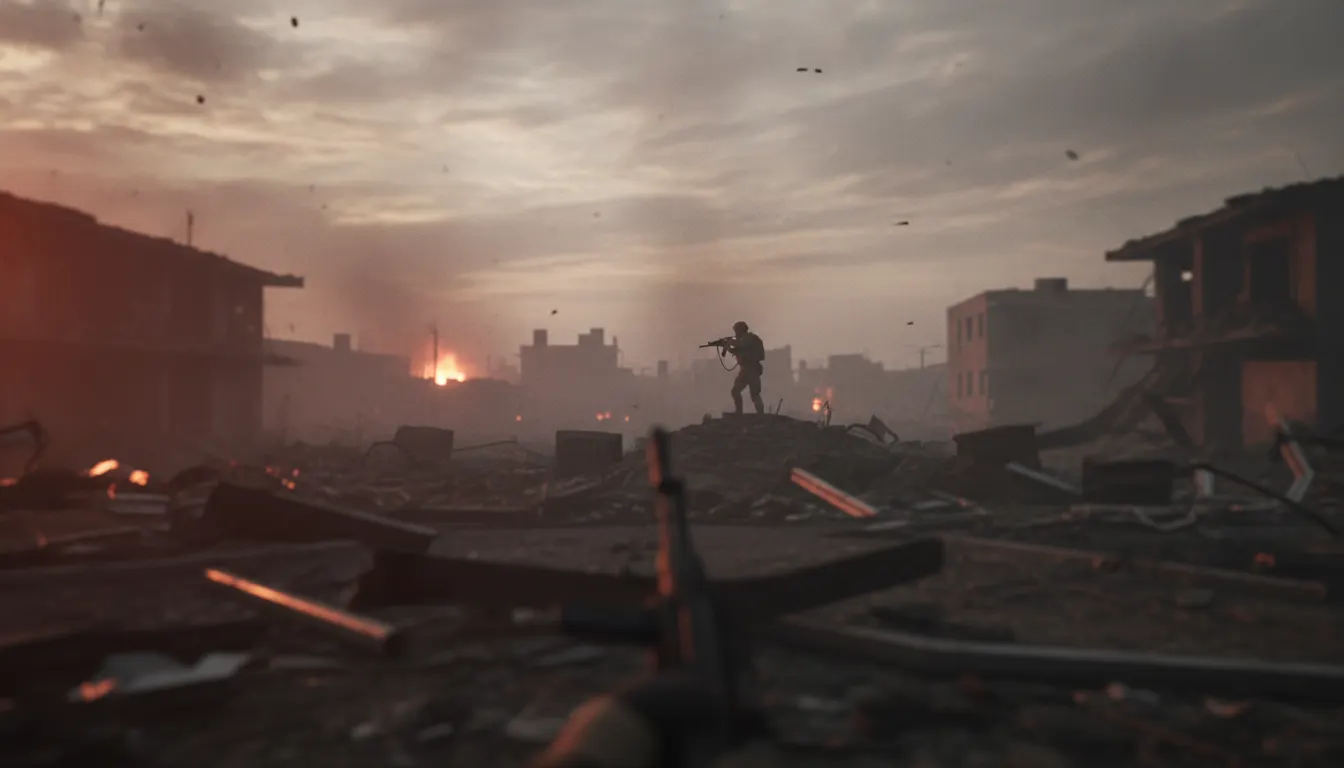
Vice on HBO, Season 1
Shane Smith · 2013
Crystallized the correspondent-embedded aesthetic for premium television; North Korea and Afghanistan dispatches
Vice news handheld immersive. Embedded correspondent POV, raw on-the-ground, urgent zoom, conflict-zone documentary energy.
The moves a human crew would use to get here. Cue applies them for you, and knowing their names is how you ask for a change.
Camera held at arms-length to six feet from the reporter, using wide-angle lenses to compress correspondent and context into the same urgent frame.
Camera movement that responds to physical events - ducking, running, turning - communicating that the crew is inside the situation.
Shooting interior conflict-zone or informal-economy settings at high sensitivity with existing light, producing authentic texture over polished illumination.
Camera follows the reporter's physical journey rather than cutting to observational wide shots; the reporter's reactions are documented.
Editing that avoids music bridges and transitions, cutting directly between locations, interviews, and action with minimal connective tissue.
Camera placed inside conversations, vehicles, and crowds without formal documentary setup, creating the feeling of unguarded access.
The Vice Media documentary aesthetic, developed from the company's early YouTube dispatches beginning around 2007 and refined across its HBO partnership (2013-2019) and streaming era, created a distinct and widely-influential visual grammar for embedded, correspondent-led journalism. It placed the host - typically a young, casually dressed reporter - into conflict zones, criminal underworlds, and extreme environments, and filmed them with small crews using shoulder-mount or handheld cameras at close range.
Vice's visual identity emerged partly from necessity - small budgets meant small crews and available-light shooting - and partly from deliberate positioning against the polished production values of traditional broadcast journalism. Shane Smith, Suroosh Alvi, and Thomas Morton developed a correspondent-as-character model where the reporter's physical reaction to proximity to danger was as much the story as the reported facts. The camera stayed close, at shoulder height or below, slightly wide (typically 24-35mm) to create a sense of spatial urgency.
The HBO Vice series (2013-2019), directed by various documentarians, refined the aesthetic with higher production budgets while maintaining the immersive grammar. The camera would follow a correspondent through active protest zones, across borders in improvised vehicles, or into informal settlements with a physical intimacy that established television news rarely approached.
The Vice handheld look is characterized by purposeful instability. Camera movement communicates the crew's physical relationship to events - running with protesters, ducking at sounds, moving through crowds. This is not unmotivated shakiness but motivated documentary movement: the viewer should feel that the camera operator is physically present in a situation they cannot fully control. Wide-angle lenses placed close to subjects (arms-length to six feet) create spatial compression between correspondent and background, producing an immersive presence that longer lenses from a safer distance cannot replicate.
Available light is the rule. Interior sequences in conflict zones, slums, or criminal environments are shot at high ISO with natural or existing practical illumination. This produces the characteristic Vice interior look: slightly underexposed, with mixed color temperatures and visible noise in shadow areas. Exterior sequences in the developing world's golden-hour light produce the paradoxically beautiful images that accompany stories of genuine hardship.
Vice edits favor direct cutting without music bridges. Interview segments are cut short; the correspondent moves constantly rather than sitting for conventional talking-head setups. The grammar communicates that there is no safe vantage point from which to observe - the journalist is inside the situation, not reporting on it from outside.
Shane Smith · 2013
Crystallized the correspondent-embedded aesthetic for premium television; North Korea and Afghanistan dispatches
Vice Media / Thomas Morton · 2010
Early YouTube dispatch that established the immersive conflict-zone grammar on a minimal budget
Ben Anderson / Vice · 2013
Afghanistan embed demonstrating the look at its most viscerally immersive and morally uncomfortable
Vice Media · 2014
Correspondent embedded in fentanyl production demonstrating the underworld application of the grammar
Suroosh Alvi / Vice · 2008
Pakistan gun market segments establishing the Vice handheld grammar in its most influential early form
Chat the Planet · 2007
Iraqi civilian-POV documentary that influenced Vice's immersive embedded approach
A Look is not a filter. It is a set of stored decisions the pipeline reads before it makes a single frame, so two videos in the same Look actually match.
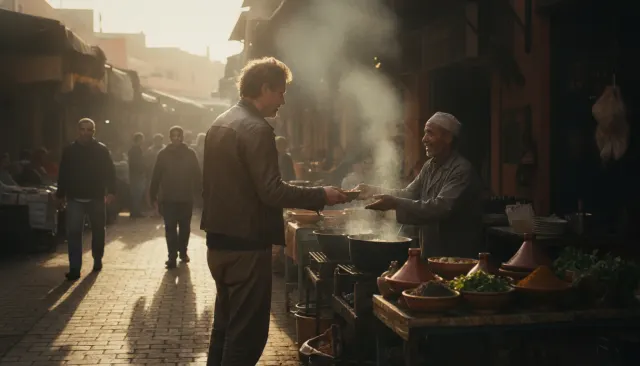 Documentary ModernVice Munchies Anthony Bourdain Warm
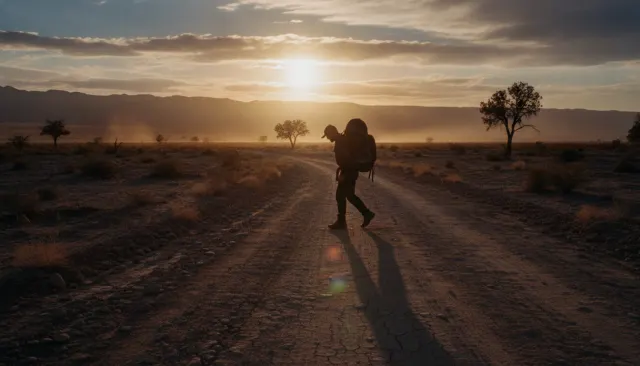 Documentary ClassicDocumentary Classic
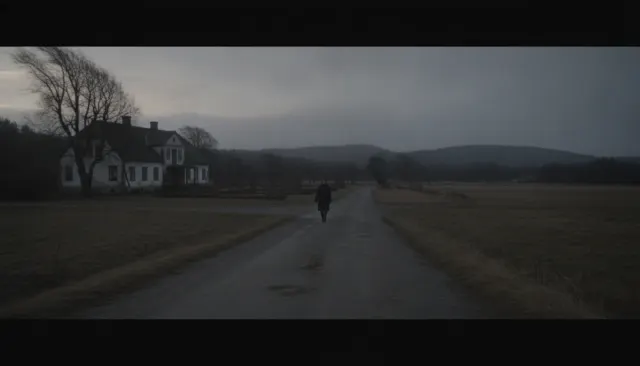 Cinema Era VintageDogme 95 Handheld Natural
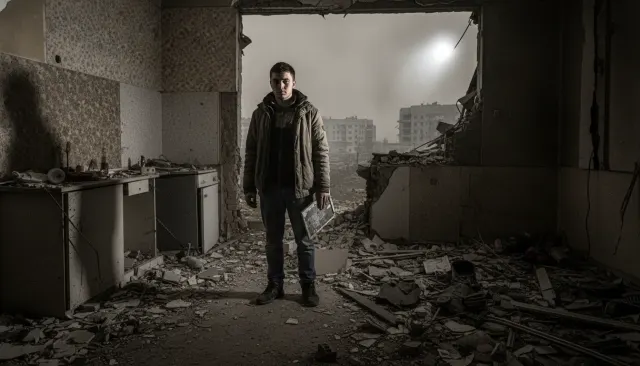 Genres ExtendedConflict Zone Photojournalism Color
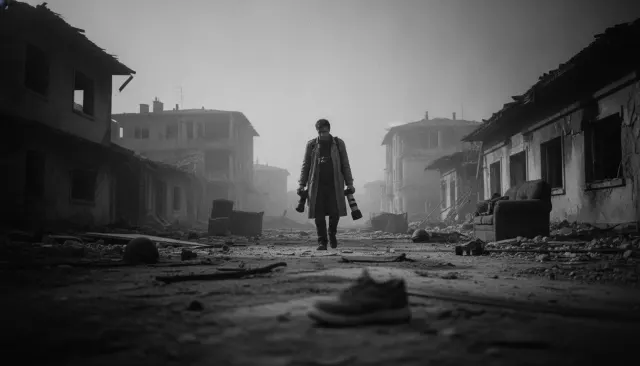 PhotojournalismJames Nachtwey War Photo
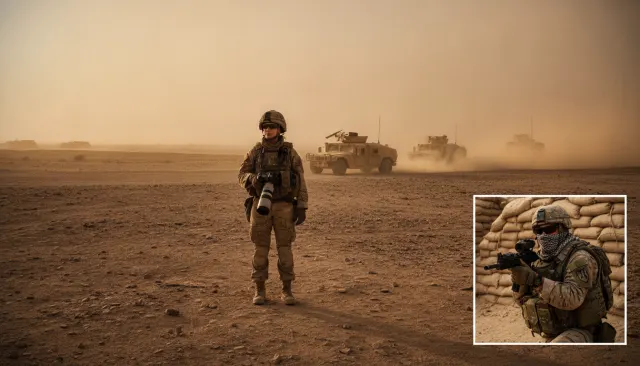 Genres ExtendedWar Zone Embedded Color
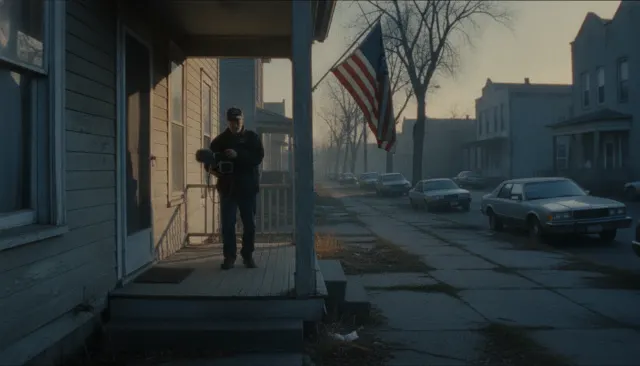 Documentary ModernMichael Moore Handheld Protest