Tim Hetherington / Sebastian Junger
Restrepo (documentary, Sundance Grand Jury Prize, 2010)
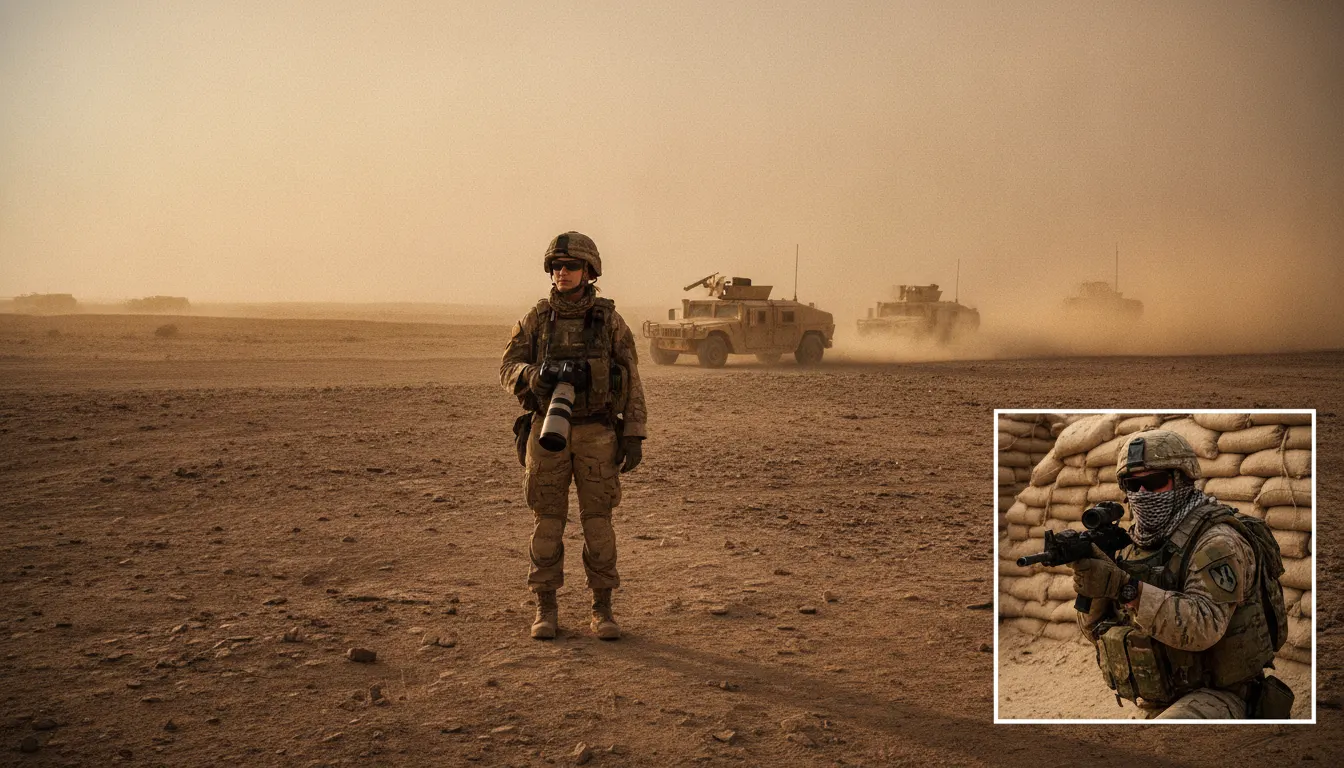
Embedded war reporter color. Lynsey Addario Iraq Afghanistan, dust-haze sun, armored convoy, soldier portrait at FOB, NYT Magazine cover.
The moves a human crew would use to get here. Cue applies them for you, and knowing their names is how you ask for a change.
harsh direct sun, overcast diffused, or low-light high-ISO capture
frame high-ISO (Canon 5D, Sony A7S) for working in darkness and dust without tripod
50mm) for proximity and environmental context inclusion
minimal post-processing per photojournalism ethical standards
soldiers sleeping, waiting, grieving
the landscape and environment of conflict as subject alongside human figures
weeks to months rather than days for earned psychological access
Embedded war zone color photography represents the most psychologically demanding and physically dangerous form of photojournalism. Photographers and filmmakers who embed with frontline military units must earn trust, sustain presence over extended periods, and document the full texture of combat life - not only the peaks of contact but the hours of waiting, the geography of occupied landscapes, and the private emotional reality of soldiers.
Tim Hetherington and journalist Sebastian Junger spent a year embedded with a US Army platoon in the Korengal Valley, Afghanistan, producing both a book (War, by Junger, 2010) and the documentary film Restrepo (2010), which won the Grand Jury Prize at Sundance and was nominated for the Academy Award for Best Documentary Feature. Hetherington s still photography from the embed, particularly his images of soldiers at rest - sleeping, laughing, grieving in quiet moments between firefights - became as significant as the combat sequences.
Hetherington was killed by shrapnel in Misrata, Libya in April 2011, while documenting the Libyan Civil War. His death at 40 made him one of the most significant photographic losses of the 21st century.
James Foley was a conflict photographer and video journalist who documented the wars in Afghanistan, Libya, and Syria. He was captured by Islamic State forces in Syria in November 2012 and executed in August 2014. His work from Syria documented the civil war s effect on civilian populations with empathy and technical precision. The footage of his execution, distributed by his captors, created a political crisis and a global mourning for a photographer who had dedicated his career to bearing witness.
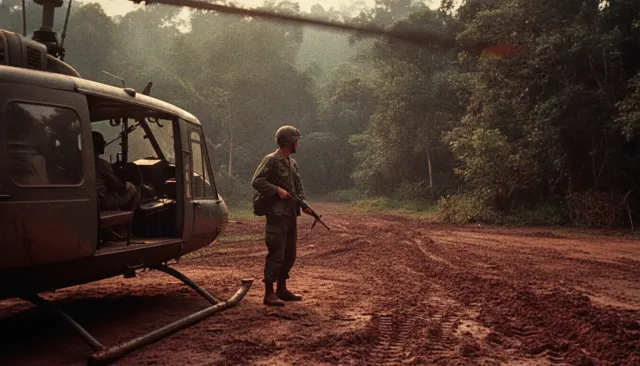
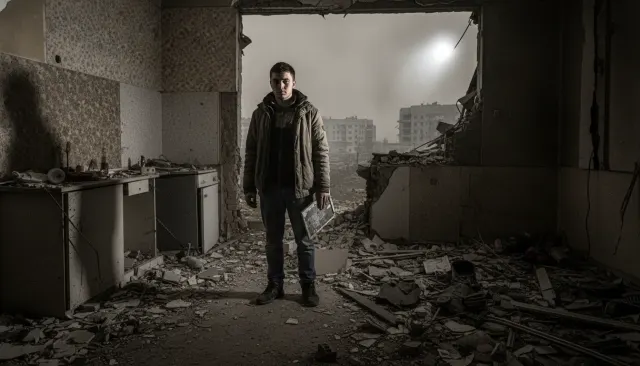
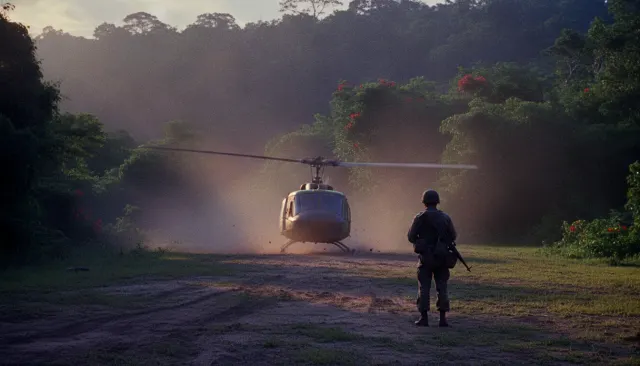
Contemporary embedded color photography typically uses available light - the harsh sun of Afghan mountains, the overcast gray of Eastern European conflicts, the orange dust of Iraqi deserts. High-ISO full-frame cameras (Canon 5D Mark III, Sony Alpha 7S series) allow usable images in extremely low light without tripod, essential when combat operations prevent any deliberate camera placement. The color palette is shaped by environment: brown and khaki in desert and mountain conflict, blue-gray in European winter conflicts, lush green in jungle or forest environments.
Color is not manipulated to dramatize conflict photography - the ethical standard of photojournalism prohibits significant post-processing beyond basic exposure correction. What color the photographer captures is what the world was.
Restrepo (documentary, Sundance Grand Jury Prize, 2010)
Sleeping Soldiers Korengal Valley images 2008, widely exhibited
Syria civil war documentation 2012, GlobalPost
Iraq and Libya conflict photography, 2003-2011
Afghanistan, Iraq, and Libya embedded documentation 2001-2020
2007
Whiskey Tango Foxtrot: A Photographer s Chronicle of the Iraq War
A Look is not a filter. It is a set of stored decisions the pipeline reads before it makes a single frame, so two videos in the same Look actually match.