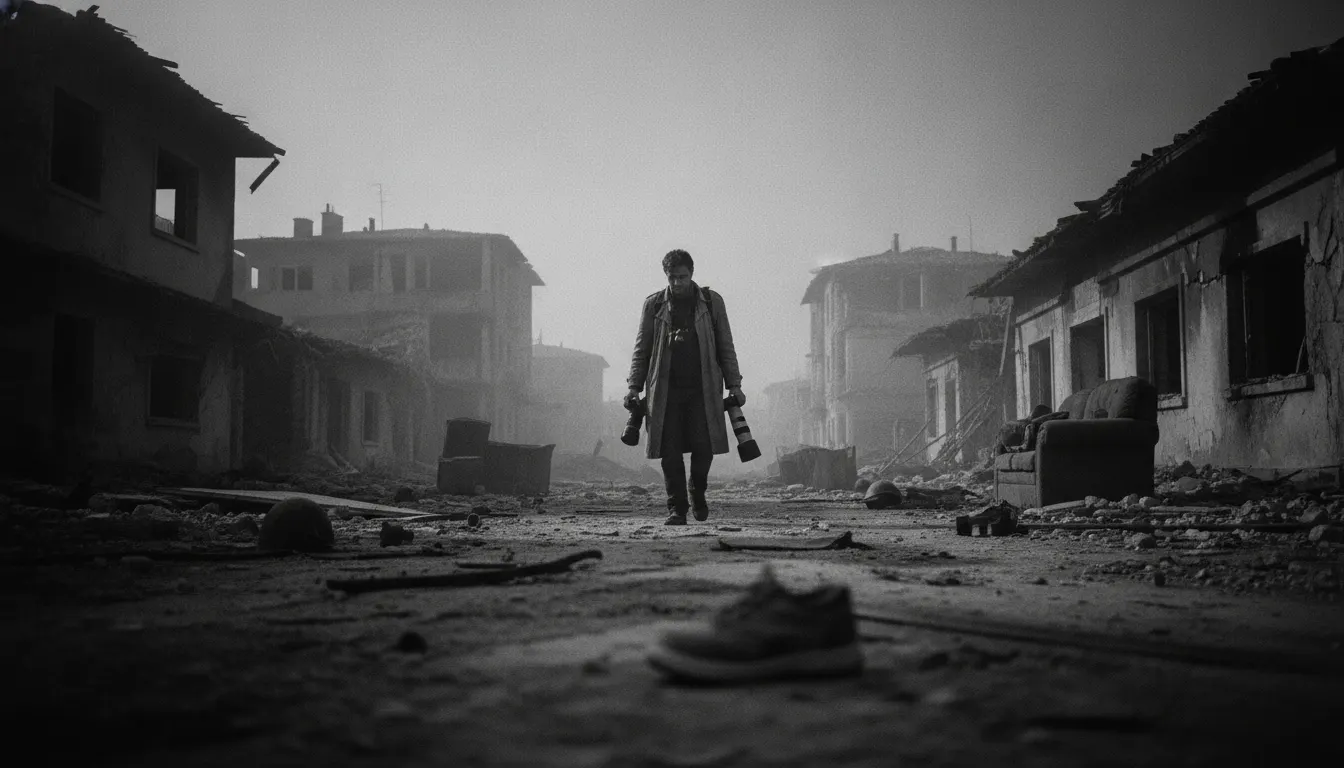
Inferno (book, Phaidon, 1999)
Rwanda, Sudan, Somalia, Yugoslavia, Chechnya
James Nachtwey conflict witness. Sarajevo Rwanda war-zone bw, close-quarters documentary, moral-weight composition, anti-war witness.
The moves a human crew would use to get here. Cue applies them for you, and knowing their names is how you ask for a change.
no flash, no artificial sources
range work: within 1-2 meters of subjects in extreme conditions
contrast black-and-white processing with deep shadow blacks
50mm typical)
individual images building into narrative
James Nachtwey (born 1948) is the defining photojournalist of the last forty years - a photographer who has spent his career at the closest possible range to human suffering and political violence, and whose images have been central to public understanding of the wars, famines, and social crises of the late 20th and early 21st centuries.
Nachtwey began photographing professionally in 1976, covering a period of political violence in Northern Ireland. He joined Magnum Photos in 1986 and left in 2001 to co-found VII Photo Agency with six other photographers including Ron Haviv and Alexandra Boulat. VII was structured as a collective with full copyright retained by each photographer - the same model Magnum established in 1947.
His major assignments have included: El Salvador civil war (1980s), the Troubles in Northern Ireland (1981), apartheid South Africa (1985), the Romanian revolution (1989), Somalia famine (1992), the Rwandan genocide (1994), Kosovo (1999), Chechnya (1994-1999), Afghanistan (2001), Iraq (2003-ongoing), and coverage of the AIDS epidemic in Africa and the opioid crisis in the United States.
The book Inferno (Phaidon, 1999) collected Nachtwey's work from the 1990s into a single 459-page volume that is considered one of the great photobooks of the century. The images - Rwanda, Sudan, Somalia, Yugoslavia, Chechnya - are printed large and without margin, extending to the page edge. The effect is immersive and deliberately overwhelming; Nachtwey intended the book as an argument that the suffering it depicted was real and present, not historical.
Nachtwey works with 35mm cameras (principally Nikon) and relies entirely on available light - no flash in conflict zones, where flash draws fire and alerts hostile forces. He shoots in extremely tight quarters, sometimes within arm's reach of subjects who are injured or dying. His black-and-white processing tends toward high contrast with deep blacks, emphasizing the graphic structure of the image. He has also worked extensively in color for Time and other magazine assignments.
Nachtwey has consistently articulated a specific ethical framework: the photojournalist's obligation is to witness and transmit, not to intervene or judge. He has been challenged on whether his images aestheticize suffering; his response is that the aesthetic power of an image is the mechanism by which it reaches an audience that would otherwise look away.
Rwanda, Sudan, Somalia, Yugoslavia, Chechnya
used by the Clinton administration to justify intervention
TED Prize wish focused on XDR-TB coverage
A Look is not a filter. It is a set of stored decisions the pipeline reads before it makes a single frame, so two videos in the same Look actually match.
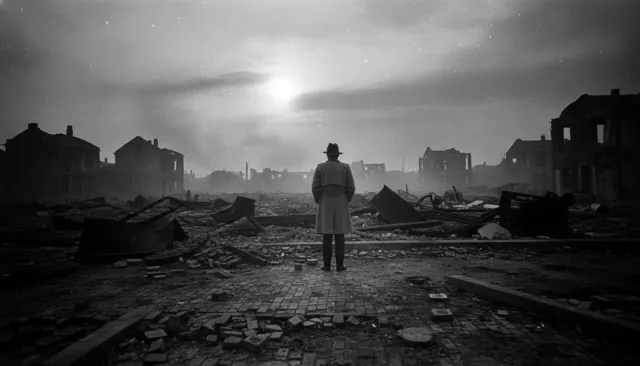 PhotojournalismMagnum Photojournalism BW
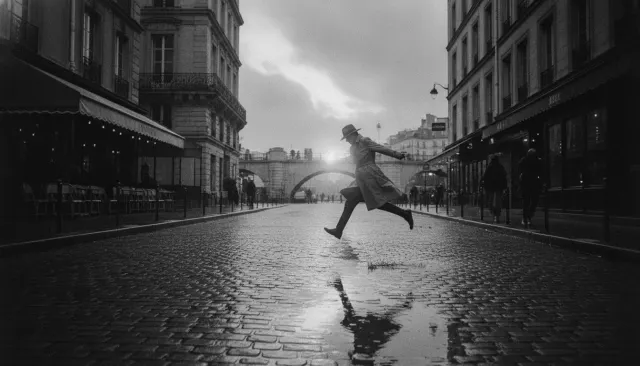 Street PhotographyHenri Cartier-Bresson Decisive Moment
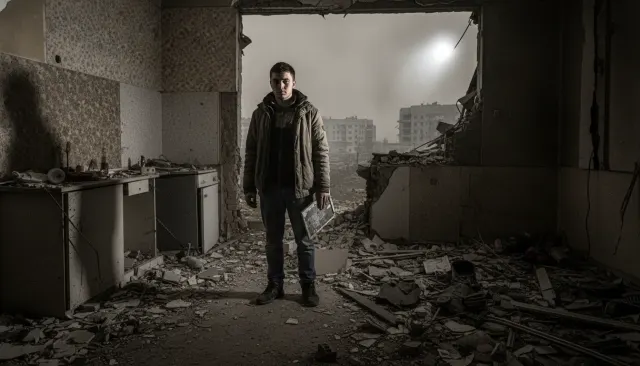 Genres ExtendedConflict Zone Photojournalism Color
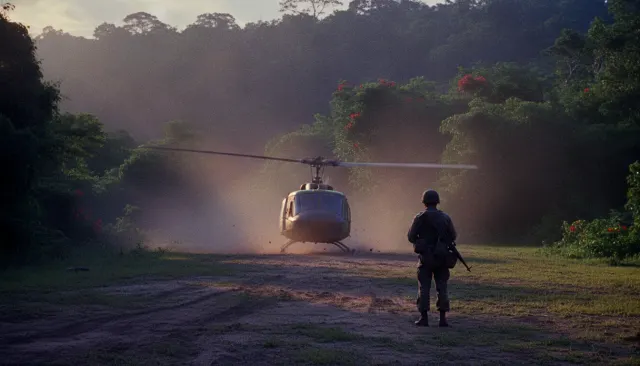 Era Specific Color1960s Vietnam War Color Magazine
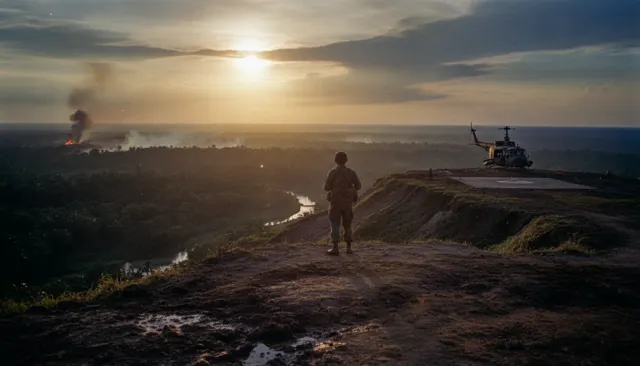 PhotojournalismLife Magazine Color Photojournalism
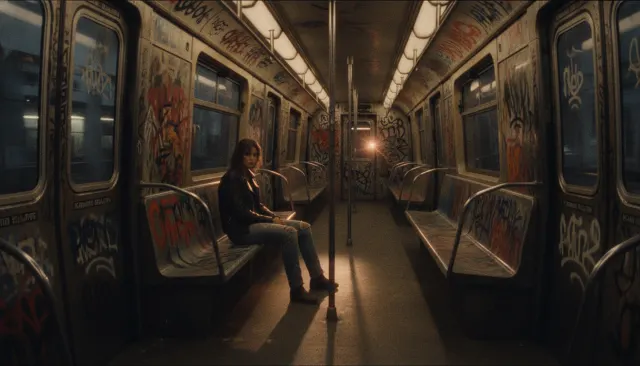 Street PhotographyBruce Davidson Subway Flash
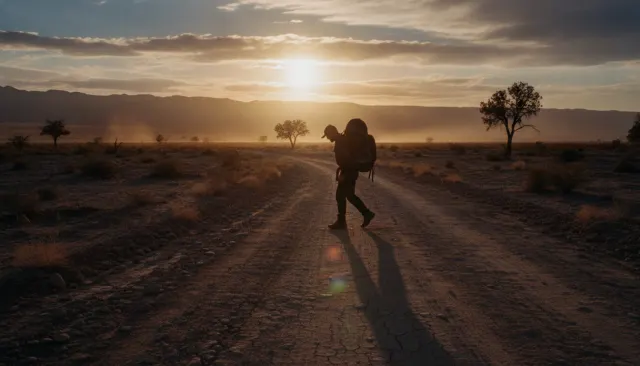 Documentary ClassicDocumentary Classic