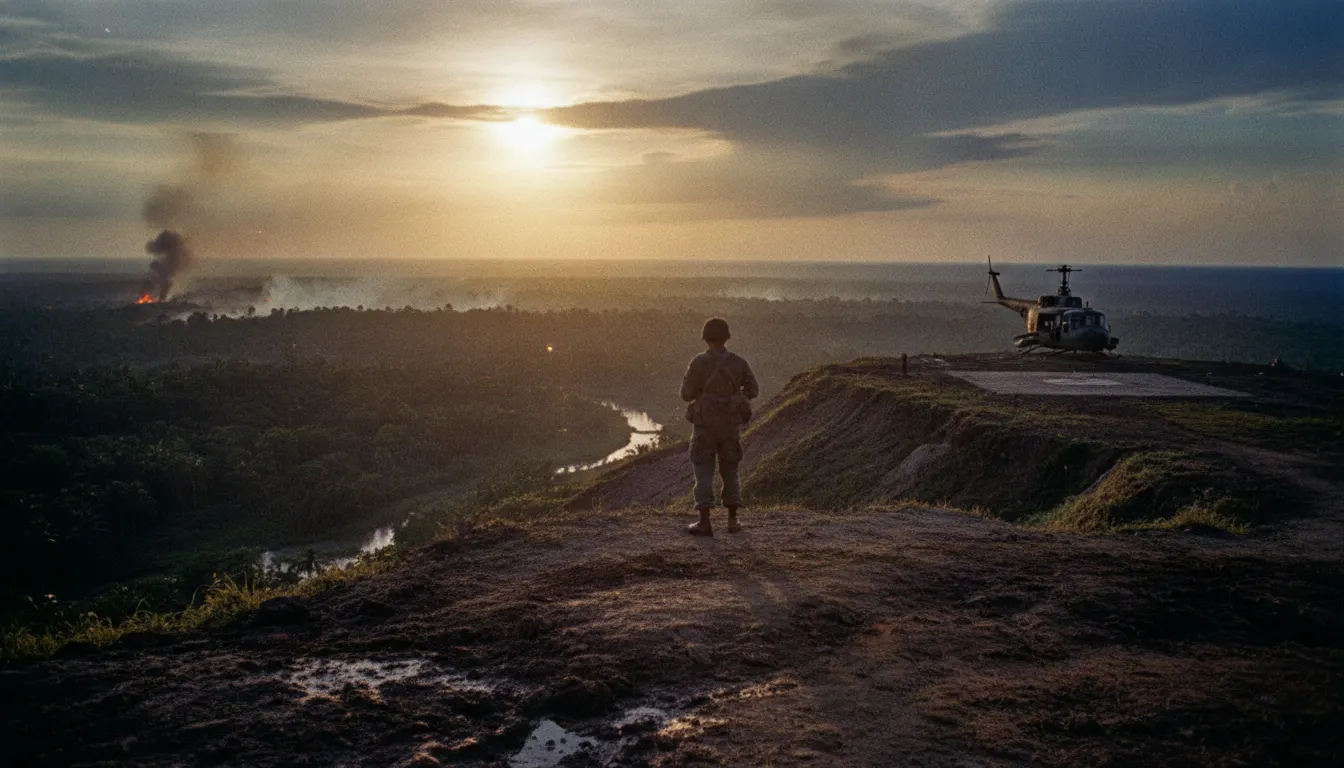
PHOTOJOURNALISM · 1960S · USA
Life Magazine Color Photojournalism
Life magazine 1960s color photo essay. Larry Burrows Vietnam, Co Rentmeester sports, NASA Apollo color, postwar Kodak-Ektachrome storytelling.
life-magazinecolor-photojournalismkodachromestorytelling
LUT life-mag-ektachrome
WHEN TO USE
- Photo essay and long-form documentary work requiring authoritative mid-century register
- Editorial content about American culture, history, and social life with period-appropriate style
- Brand content for heritage American brands referencing the postwar era
- Color documentary photography seeking the specific warmth of Kodachrome-era print journalism
- Any project requiring the authority and scale of magazine-format photography
WHEN NOT TO USE
- Contemporary digital-first content where the period register creates anachronism
- Social media or short-form content: the photo essay requires sustained reading
- Black-and-white projects: Life's color identity is central to the aesthetic
- Celebrity or fashion photography without journalistic purpose
SIGNATURE TECHNIQUES
How the look is made.
The moves a human crew would use to get here. Cue applies them for you, and knowing their names is how you ask for a change.
- 01Kodachrome or Ektachrome transparency film
saturated, warm color palette
- 0235mm Nikon or Leica for most coverage; 2.25x2.25 Rolleiflex for controlled work
- 03Sequential narrative
story told across 6-12 images with beginning, middle, end
- 04Mix of wide establishing shots, medium environmental portraits, tight detail close-ups
- 05Caption text essential
Life's captions were often as important as the photographs
- 06Available light preferred with flash as supplement, not primary source
- 07Full
page and double-page spread composition: images designed for print scale
HISTORY & CONTEXT
Where it comes from.
Life Magazine: Color Photojournalism
Life magazine, founded by Henry Luce in 1936 as the first American all-photography magazine, created the modern photo essay and established the visual language of American mid-century journalism. For thirty-six years it was the most widely read magazine in the United States and the primary visual news medium for a country that did not yet have televised news as a significant force.
The Life Formula
Life's editorial formula was straightforward and revolutionary: use photographs to tell stories. A major story would receive four, six, or ten pages of photographs with minimal text. The photographs were shot by staff photographers who developed extraordinary skills in narrative sequencing - telling the beginning, middle, and end of a story in images that could be scanned in a few minutes by a reader on a lunch break.
Life's early years were primarily black-and-white - color reproduction was expensive and time-consuming - but color photography became increasingly central to the magazine from the 1950s onward as Kodachrome and Ektachrome became fast enough for handheld photojournalism and color printing became economical. Life's color work was characterized by the saturated, warm palette of Kodachrome and the magazine's high-quality four-color printing.
The Staff Photographers
Life's stable of photographers was the greatest collection of photographic talent assembled by any single publication: Alfred Eisenstaedt, Margaret Bourke-White, W. Eugene Smith, Carl Mydans, Gordon Parks, Dmitri Kessel, Philippe Halsman, and dozens of others who defined the craft. Many of these photographers worked exclusively on color for the magazine's major pictorial essays.
W. Eugene Smith's photo essays - 'Country Doctor' (1948), 'Spanish Village' (1951), 'Nurse Midwife' (1951) - set the standard for documentary photography's capacity to create social change. Gordon Parks's fashion photography for Life in the 1950s was unprecedented both for its subjects and its formal quality. Margaret Bourke-White's World War II color coverage was the first systematic color photojournalism produced under combat conditions.
Life's Legacy
Life ceased weekly publication in 1972 when television had permanently displaced it as the primary news medium. It published monthly and in special editions through 2007. The body of work it commissioned and published between 1936 and 1972 remains the largest single archive of 20th-century American photojournalism and the model for every subsequent picture magazine.
NOTABLE WORKS
Where you have seen it.
Alfred Eisenstaedt, V-J Day in Times Square, 1945
Margaret Bourke-White, D-Day coverage, 1944
Gordon Parks, various fashion and documentary work, 1950s
Larry Burrows, Vietnam War color coverage, 1962-1971
Ernst Haas, 'New York in Color', 1953 (first major color essay in the magazine)
THE RECIPE
The exact knobs
the renderer turns.
A Look is not a filter. It is a set of stored decisions the pipeline reads before it makes a single frame, so two videos in the same Look actually match.
SettingValue
GradeColour LUT applied to every frame
life-mag-ektachromeTransitionHow one shot becomes the next
dissolve cuts · 400ms · ease-in-outKen BurnsCamera move applied to stills
Slow push · 0.025 · rule-of-thirdsTypographyDisplay / body / mono pairing
Playfair Display · Lora · CourierMusic moodWhat the bed under the voice sounds like
vietnam-era-rock · orchestral-newsreelPrompt suffixAppended to every shot prompt in this Look
Life magazine 1960s color photo essay, Larry Burrows Vietnam, NASA Apollo color, Kodak Ektachrome storytellingPALETTE
Primary
#C8302E
Secondary
#1F6FB8
Accent
#7AB0D0
Text/Light
#1A0808
Text/Dark
#F0E0C8
BG 900
#1A0808
BG 800
#2A1010
RELATED LOOKS
Next to it on the shelf.
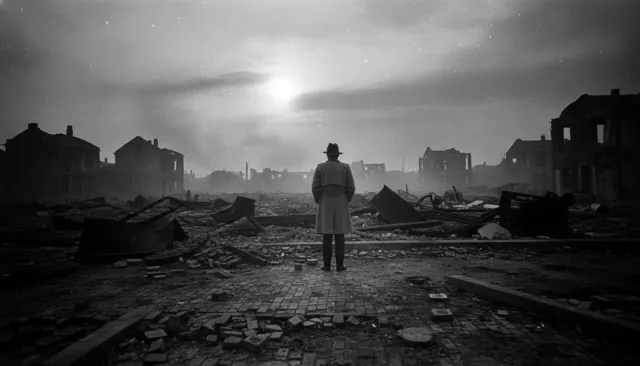 PhotojournalismMagnum Photojournalism BW
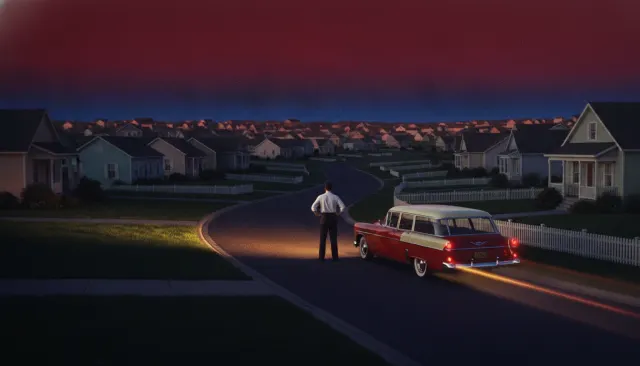 Photographic EraKodachrome 1950s Saturated
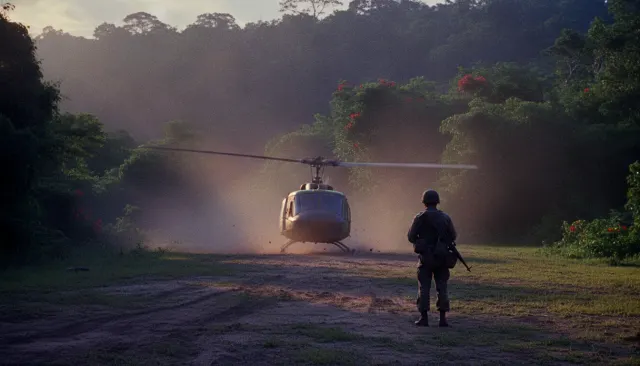 Era Specific Color1960s Vietnam War Color Magazine
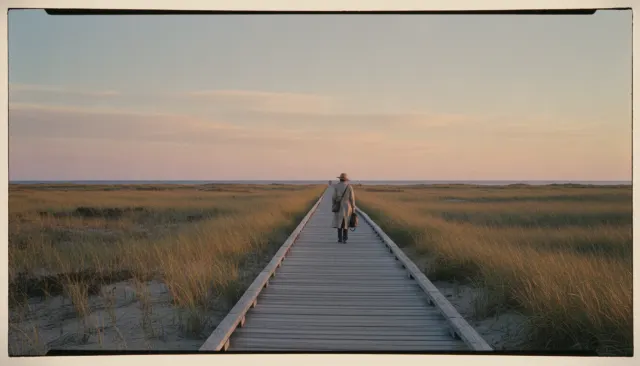 Street PhotographyJoel Meyerowitz Color Street
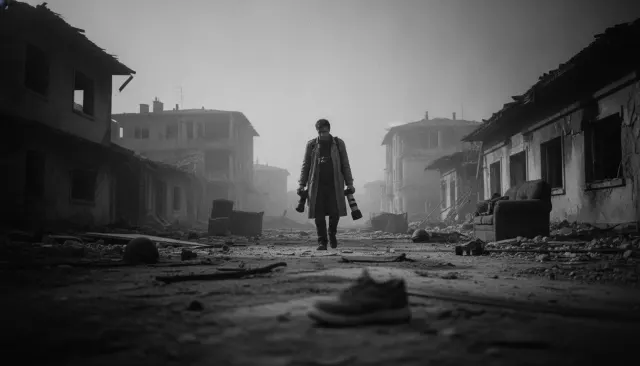 PhotojournalismJames Nachtwey War Photo
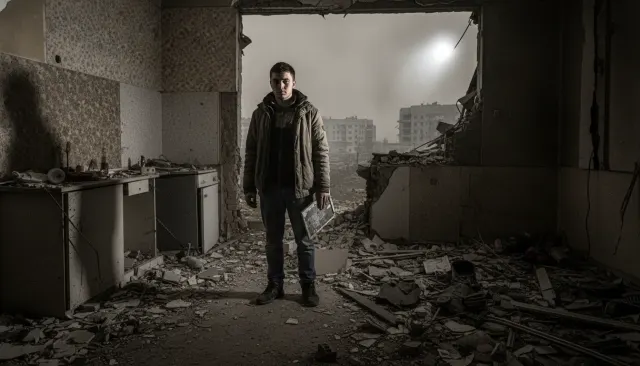 Genres ExtendedConflict Zone Photojournalism Color
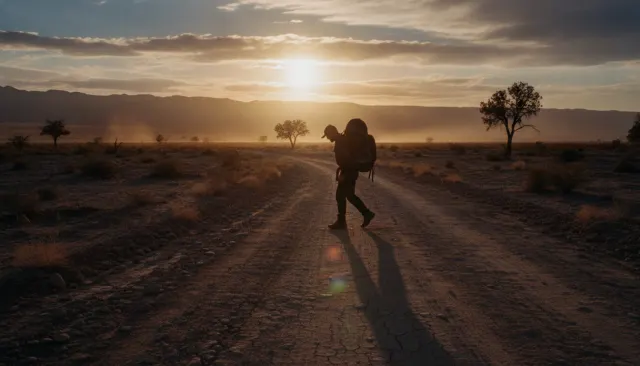 Documentary ClassicDocumentary Classic
Your first cut
is on us.
+ New videoFree plan · no card · 1080p export