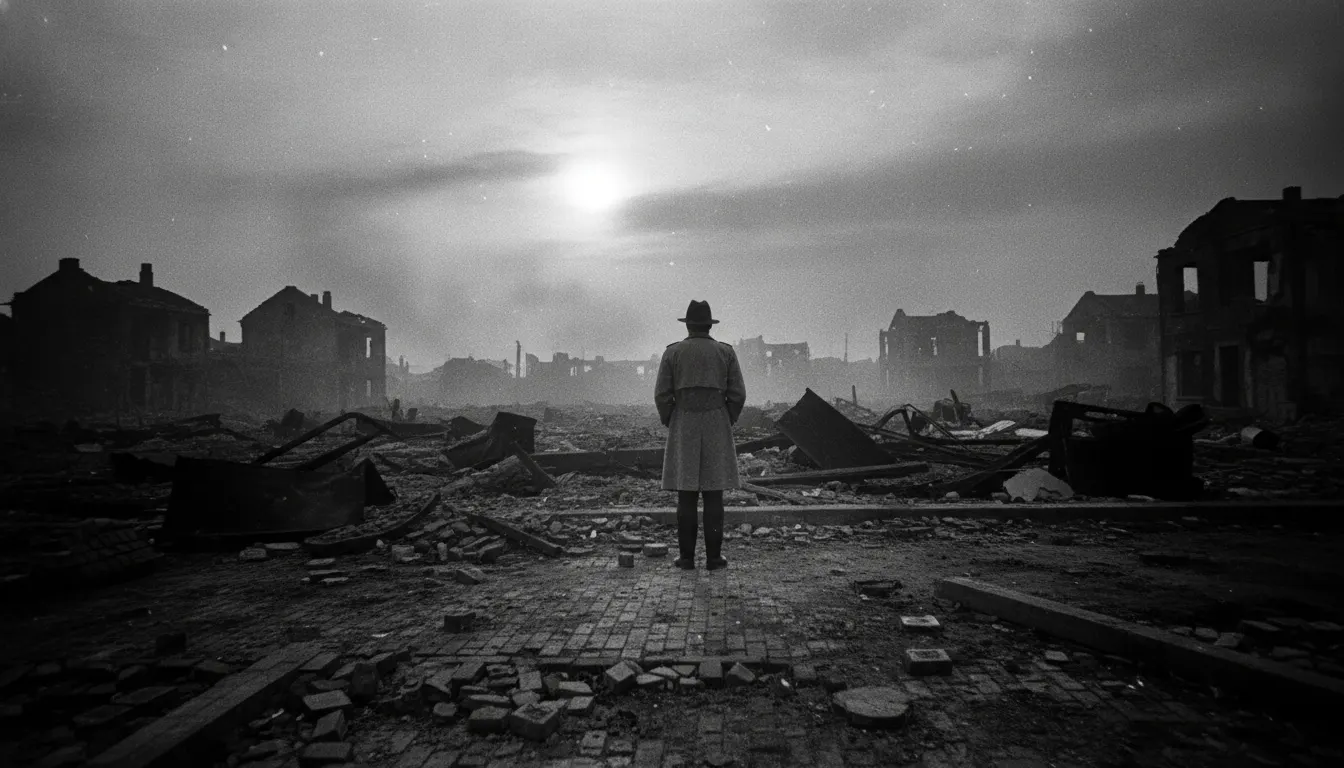
PHOTOJOURNALISM · 1960S · INTERNATIONAL
Magnum Photojournalism BW
Magnum Photos co-op style. Robert Capa Bresson Eisenstaedt era, Leica 35mm bw, witness-on-the-ground composition, available-light dignity.
magnumphotojournalismwitnessmonochrome
LUT magnum-tri-x-bw
WHEN TO USE
- Documentary photography and photojournalism with historical or journalistic intent
- Portrait photography seeking the authority and dignity of the humanist documentary tradition
- Editorial content about conflict, social issues, or historical events
- Black-and-white photography projects requiring the highest aesthetic standard
- Brand content for media, news, or cultural institutions with serious journalistic identity
WHEN NOT TO USE
- Commercial brand photography requiring color or controlled studio conditions
- Lifestyle or aspirational photography - the documentary register is incompatible with aspirational commerce
- Color-dependent subject matter
- Photography for social media platforms optimized for color and polish
SIGNATURE TECHNIQUES
How the look is made.
The moves a human crew would use to get here. Cue applies them for you, and knowing their names is how you ask for a change.
- 0135mm rangefinder or SLR (Leica M or Nikon)
lightweight, quiet, unobtrusive
- 02Available light only
no flash, no artificial sources in street or documentary work
- 03High contrast black
and-white printing: deep blacks, bright highlights, minimal midtone compression
- 04Close physical proximity to subjects
Capa's rule applied consistently
- 05Full
frame printing: Cartier-Bresson's insistence on no cropping
- 06Sequential essay structure
individual images designed to build cumulative narrative
- 07Anticipatory positioning
arriving at a location before the action, waiting
HISTORY & CONTEXT
Where it comes from.
Magnum Photos: Black-and-White Photojournalism
Magnum Photos was founded in Paris in 1947 by Henri Cartier-Bresson, Robert Capa, David Seymour (Chim), and George Rodger - four photographers who had collectively documented World War II and recognized that the postwar moment required a new kind of photographic agency. Magnum was structured as a cooperative: each photographer owned their own negatives and copyright, and the agency distributed their work on their behalf. This was revolutionary in an industry where publications typically owned all rights to images their photographers made on assignment.
The Founding Vision
The four founders brought distinct photographic philosophies to the cooperative:
Cartier-Bresson brought his decisive moment theory - the instantaneous geometry of life captured by a Leica with a 50mm lens. His formalist approach to street and documentary photography defined one pole of Magnum's aesthetic.
Robert Capa brought a different philosophy: 'If your pictures aren't good enough, you're not close enough.' His Spanish Civil War images - especially the disputed 'Falling Soldier' (1936) - and his D-Day Omaha Beach images (1944) established the template for combat photography at personal risk. Capa was killed in 1954 by a landmine in Indochina while photographing the French war.
David Seymour (Chim) had documented the Spanish Civil War and European refugee crisis and brought a social documentary tradition emphasizing human dignity in extremity.
George Rodger had photographed the liberation of Bergen-Belsen in 1945 and African cultures for National Geographic; he brought both the horror of witness and the beauty of humanist ethnography.
The Magnum Aesthetic
Magnum's collective aesthetic is black-and-white, available light, 35mm, and close. The Leica became the agency's symbolic camera - fast, quiet, unobtrusive, carrying the professional credibility of a tool designed for precision. The photographic look that resulted: high contrast, grain, available light, tight framing, the evidence of physical proximity to the subject.
Magnum's later members - Werner Bischof, Elliott Erwitt, Inge Morath, Erich Hartmann, Eve Arnold, Bruce Davidson, Garry Winogrand (an associate), Josef Koudelka - extended the visual tradition into new geographic and thematic territories while maintaining the core commitment to available light black-and-white documentary work.
Legacy
Magnum is still active, with over 100 members and nominees. The digital era has expanded its work into color and multimedia, but the black-and-white film tradition remains the agency's defining aesthetic legacy and the standard against which all documentary photography is still measured.
NOTABLE WORKS
Where you have seen it.
Henri Cartier-Bresson, Behind the Gare Saint-Lazare, 1932
David Seymour, Greek children after civil war, 1948
Elliott Erwitt, New York City (dog photography and candid portraiture), 1950s-present
Josef Koudelka, Prague Spring invasion, 1968
Bruce Davidson, East 100th Street, 1966-1968
Eve Arnold, Malcolm X portrait series, 1961
THE RECIPE
The exact knobs
the renderer turns.
A Look is not a filter. It is a set of stored decisions the pipeline reads before it makes a single frame, so two videos in the same Look actually match.
SettingValue
GradeColour LUT applied to every frame
magnum-tri-x-bwTransitionHow one shot becomes the next
hard cuts · 180ms · linearKen BurnsCamera move applied to stills
Slow push · 0.02 · rule-of-thirdsTypographyDisplay / body / mono pairing
Source Serif Pro · Lora · CourierMusic moodWhat the bed under the voice sounds like
solo-piano-mournful · string-quartet-elegyPrompt suffixAppended to every shot prompt in this Look
Magnum Photos photojournalism 1960s, Robert Capa Bresson Eisenstaedt, Leica 35mm bw, witness on ground, available lightPALETTE
Primary
#1A1A1A
Secondary
#5C5040
Accent
#A89B82
Text/Light
#0A0A0A
Text/Dark
#E5DED0
BG 900
#0A0A0A
BG 800
#1A1A1A
RELATED LOOKS
Next to it on the shelf.
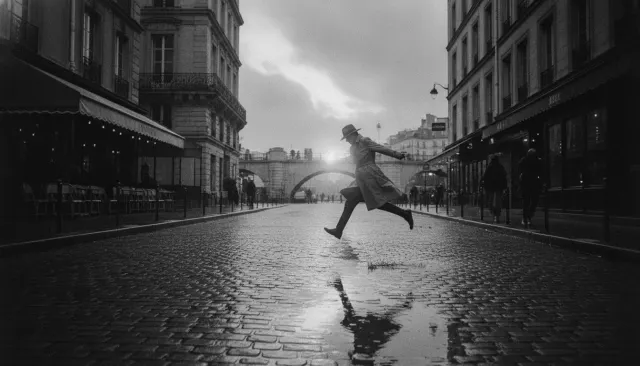 Street PhotographyHenri Cartier-Bresson Decisive Moment
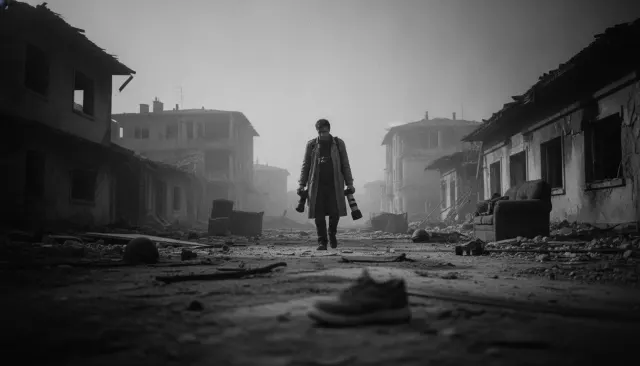 PhotojournalismJames Nachtwey War Photo
 PhotojournalismLife Magazine Color Photojournalism
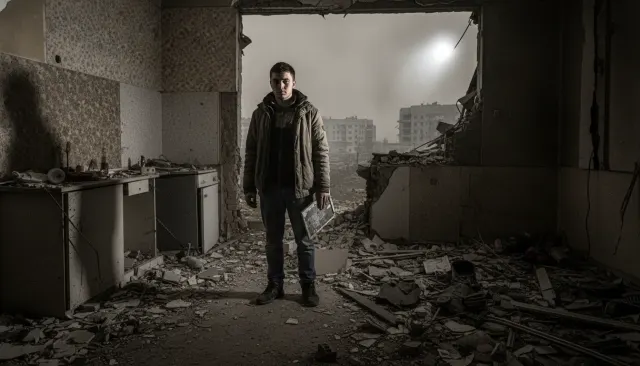 Genres ExtendedConflict Zone Photojournalism Color
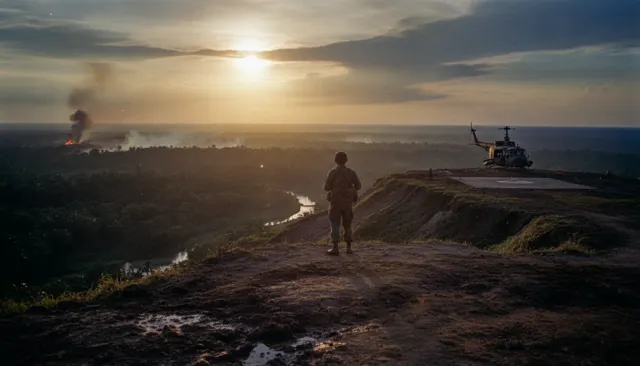
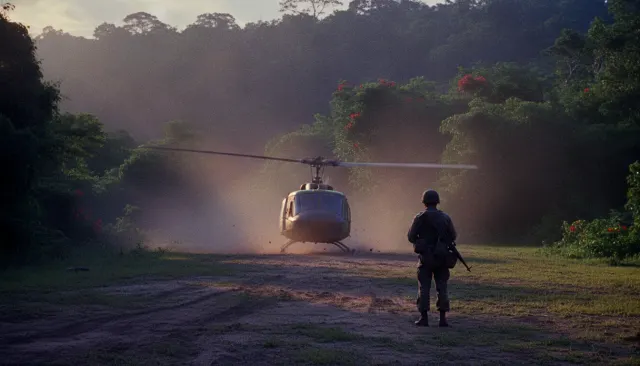 Era Specific Color1960s Vietnam War Color Magazine
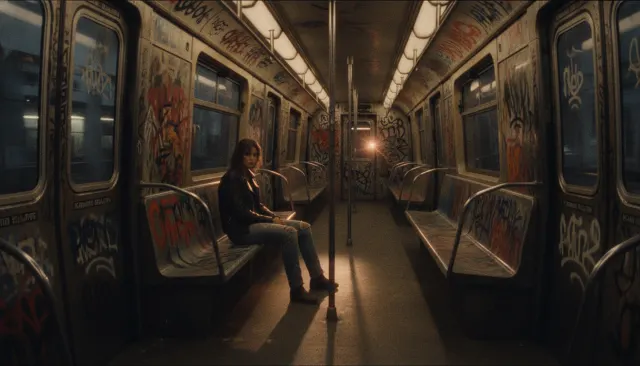 Street PhotographyBruce Davidson Subway Flash
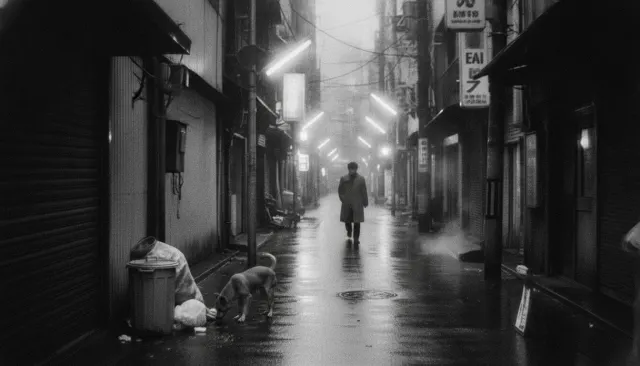 Street PhotographyDaido Moriyama BW Grain Japan
Your first cut
is on us.
+ New videoFree plan · no card · 1080p export