Daido Moriyama
1968
*Japan: A Photo Theater* , debut photobook of Tokyo and Osaka
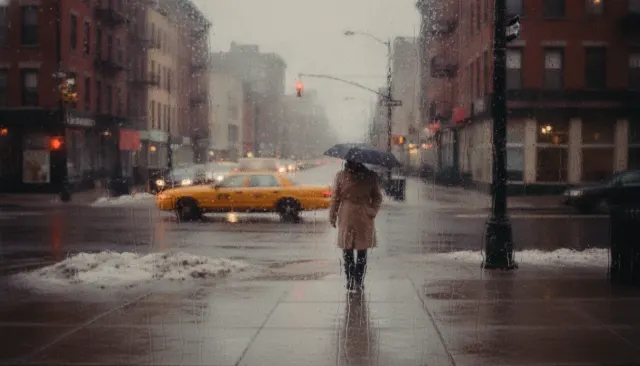
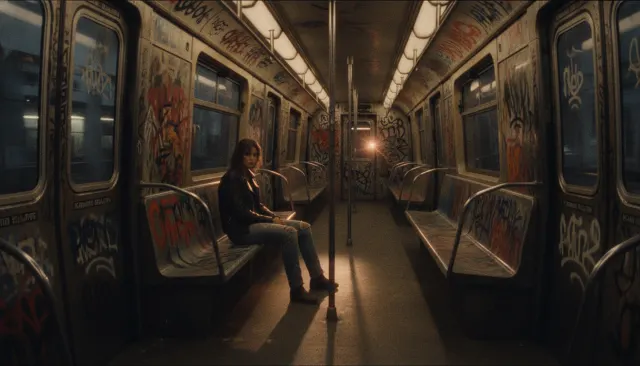
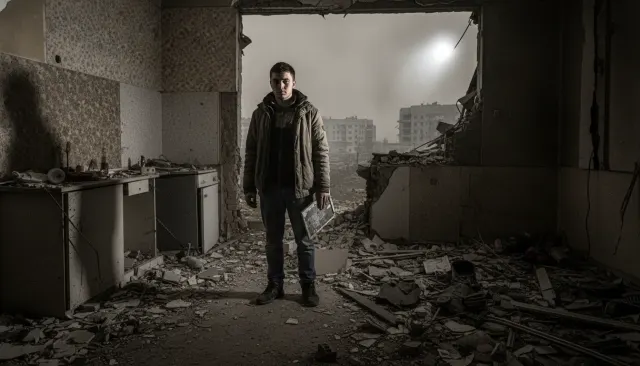
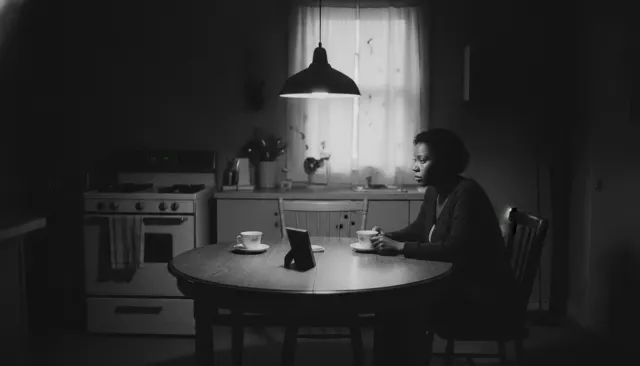
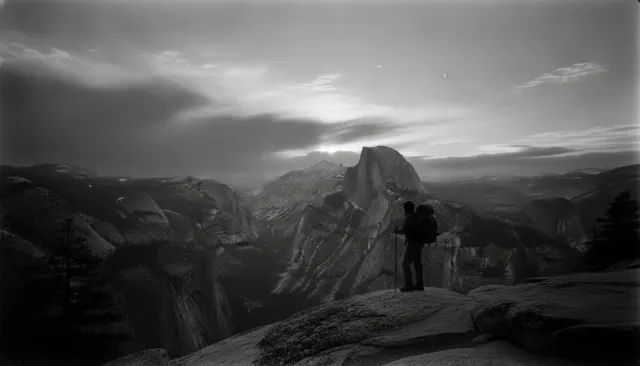
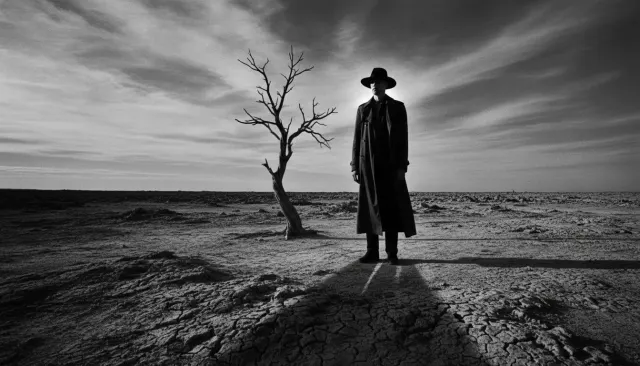
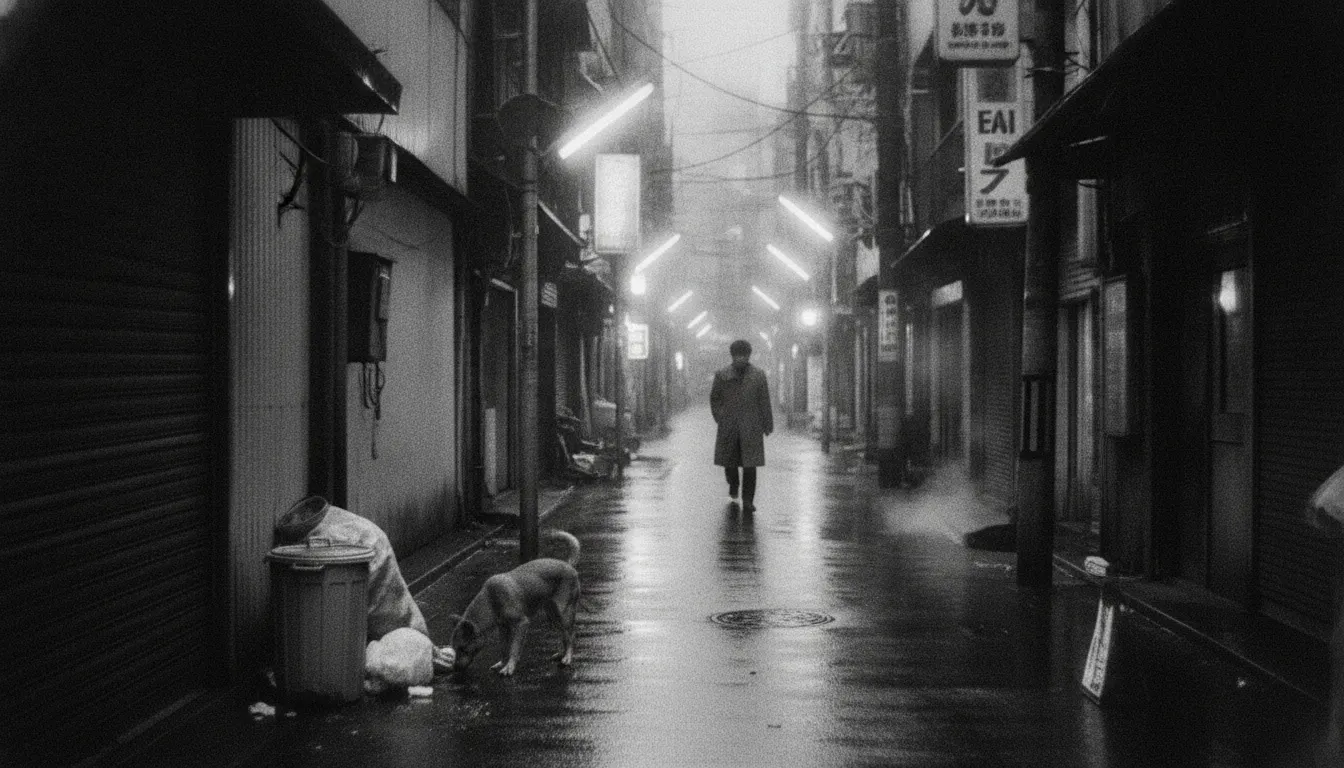
Daido Moriyama Provoke-era Tokyo. High-contrast bw grain blur, are-bure-boke aesthetic, Shinjuku alley, stray dog energy.
The moves a human crew would use to get here. Cue applies them for you, and knowing their names is how you ask for a change.
bure-boke: intentional extreme grain (pushed film or simulated grain), motion blur, and focus errors
deep blocked shadows and blown highlights with minimal midtone
lit urban environments as primary subject matter
speed film pushed in development (Kodak Tri-X at 3200+ ISO) for maximum grain texture
images gain meaning from juxtaposition, not individual isolation
Daido Moriyama (born 1938) is the central figure in post-war Japanese street photography, and one of the most imitated visual styles in contemporary photography. His work is defined by the aesthetic manifesto he shared with the Provoke magazine collective (1968-1970), where he and collaborators including Takuma Nakahira and Koji Taki coined the term are-bure-boke (rough, blurry, out-of-focus) as an intentional counter-aesthetic to the refined precision of mainstream photography.
The Provoke movement emerged from the turbulence of Japan's 1960s student protests, the shadow of the atomic bombings, and the violent imposition of rapid economic modernization. Moriyama and his peers rejected clean composition as dishonest - the world was chaotic, and photography should show that chaos. Provoke ran for only three issues (1968-1969) but defined a generation.
Moriyama's Japan: A Photo Theater (1968, Shashin Jidai) was his debut, shot with extreme contrast and grain in the entertainment districts of Tokyo and Osaka. Hunter (1972) remains his most celebrated photobook, pushing grain and contrast to near-abstraction, with images that fragment the human figure against Tokyo's streets. Farewell Photography (Bye Bye Photography, 1972) was a conscious extreme - deliberately destroyed negatives, extreme push-processing, and near-illegible imagery representing a breakdown of photographic meaning.
Moriyama shoots primarily with compact cameras (often a Ricoh GR), working quickly and low, frequently pointing the camera without looking through the viewfinder. His darkroom work (or digital simulation) pushes grain and contrast to extremes: midtones compress or disappear, leaving a world of near-blacks and blown whites. Wet streets, neon signs, stray dogs, and fragments of the human body recur as subjects.
Moriyama's influence on contemporary photography is global and cross-media. His aesthetic has been explicitly referenced by fashion photographers, music video directors, and a generation of street photographers working in cities from London to São Paulo. The digital simulation of are-bure-boke - through high ISO settings, deliberate shake, and heavy grain overlays in post-processing - has become one of the most widely practiced aesthetic techniques in contemporary photography. Moriyama himself continues to photograph in his 80s, producing new work in Tokyo and exhibiting internationally.
1968
*Japan: A Photo Theater* , debut photobook of Tokyo and Osaka
1972
*Hunter* , peak are-bure-boke extreme grain portraiture
1972
*Farewell Photography / Bye Bye Photography* , photographic breakdown
2002
*Shinjuku* , ongoing study of Tokyo's Shinjuku district
2017
*How I Take Photographs* , accessible technique guide
2012
retrospective at Tate Modern, London
A Look is not a filter. It is a set of stored decisions the pipeline reads before it makes a single frame, so two videos in the same Look actually match.