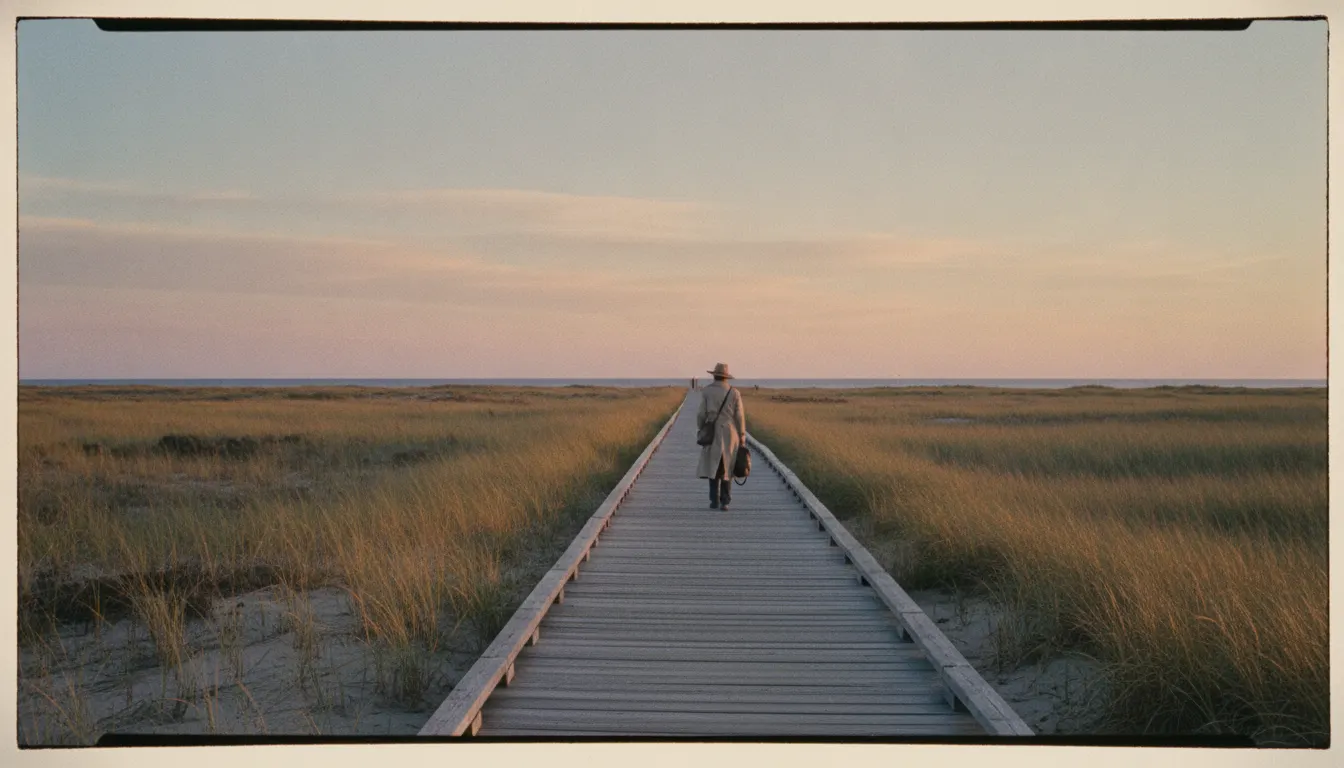
Cape Light (book, MFA Boston, 1979)
the canonical color photography statement
Joel Meyerowitz 1970s color street pioneer. Cape Light tonal pastel, Provincetown Florida color, large-format 8x10 contact print clarity.
The moves a human crew would use to get here. Cue applies them for you, and knowing their names is how you ask for a change.
lightweight, quiet, fast response
format view camera for location/landscape: maximum color resolution
format transparency film: vivid, saturated palette
late afternoon, storm light, diffused overcast valued highly
red fire hydrant, green awning as structural anchors
angle framing to include environmental context
Joel Meyerowitz (born 1938) is among the most important figures in establishing color photography as a legitimate art form. In 1962, working as an art director in New York, he watched Robert Frank work on the street and decided to become a photographer. Within weeks he had bought a camera; within years he had produced some of the most significant street photographs of the 1960s and became an early, vocal champion of color photography at a time when the art world treated color film as a commercial medium beneath serious attention.
Meyerowitz began shooting on the streets of New York alongside Garry Winogrand and Tony Ray-Jones, but unlike them he used color film from the start. The photographic establishment's disdain for color was nearly universal in the 1960s: color was for advertising, for magazines, for the Kodak box camera. Serious photography was black-and-white. Meyerowitz rejected this entirely, arguing that color was an information channel that black-and-white simply discarded, and that the task was to use it deliberately and precisely.
His New York street work of the 1960s and early 1970s captured the city's saturated, chaotic color - the red of a fire hydrant against grey asphalt, the green of a traffic light casting light on a wet face - with the same geometric attention Cartier-Bresson applied to black-and-white composition. He worked primarily with a 35mm Leica, often with two cameras - one loaded with color, one with black-and-white - to compare what each format yielded from the same scene.
Cape Light (published 1979 by Museum of Fine Arts, Boston) marks Meyerowitz's full transition from 35mm street to large-format work. He moved to Cape Cod for the summer of 1976-1977 and began shooting with an 8x10 Deardorff view camera, using Ektachrome sheet film. The images - verandas in late afternoon light, storm light over Cape Cod Bay, the specific amber of New England summer evenings - demonstrated that large-format color photography could achieve the same contemplative depth as Ansel Adams' zone system black-and-white. Cape Light is one of the ten best-selling photography books in American publishing history.
Meyerowitz was the only photographer granted unrestricted access to the World Trade Center site after September 11, 2001. Over nine months he documented the recovery operation, producing 8,000 8x10 images that were archived by the City of New York. The resulting book Aftermath (2006) is the definitive photographic record of the site.
the canonical color photography statement
1977
color street and landscape
A Look is not a filter. It is a set of stored decisions the pipeline reads before it makes a single frame, so two videos in the same Look actually match.
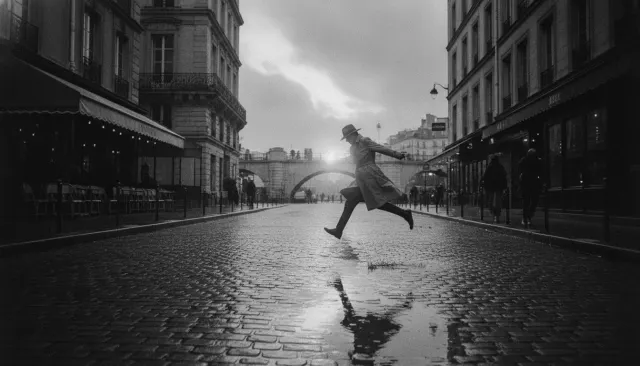 Street PhotographyHenri Cartier-Bresson Decisive Moment
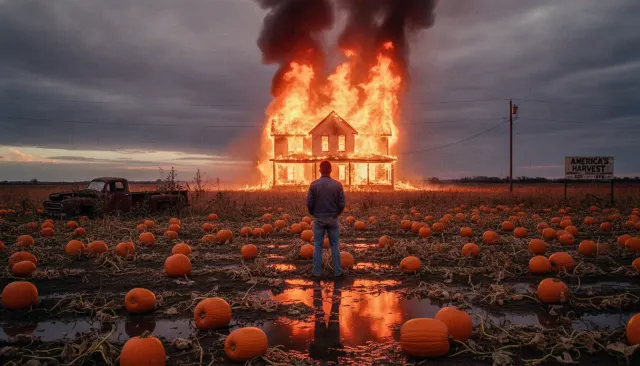 Photographers Fine ArtJoel Sternfeld American Prospects
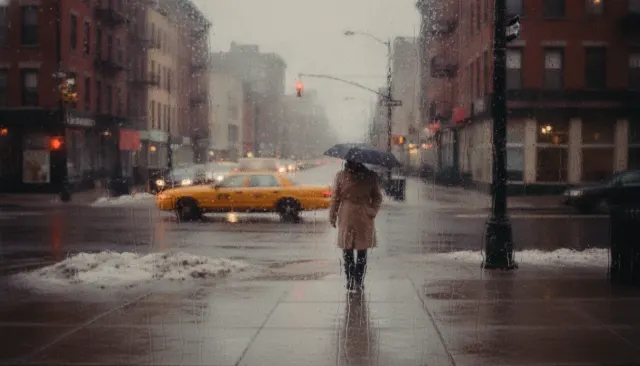 Era Specific Color1970s Gritty New York Color Saul Leiter
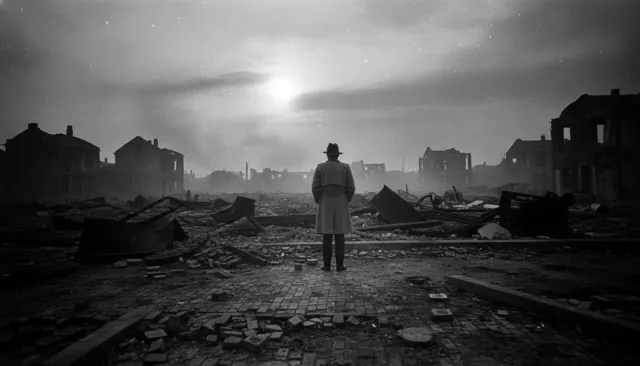 PhotojournalismMagnum Photojournalism BW
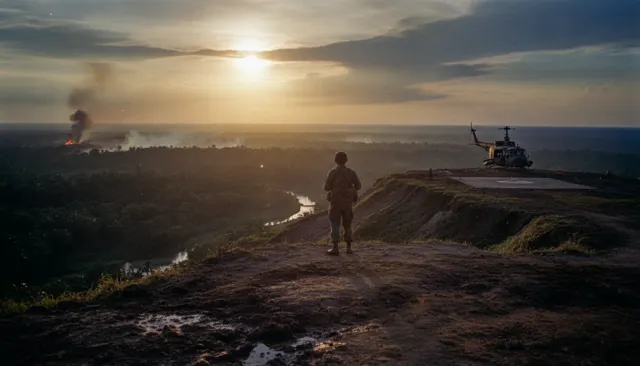 PhotojournalismLife Magazine Color Photojournalism
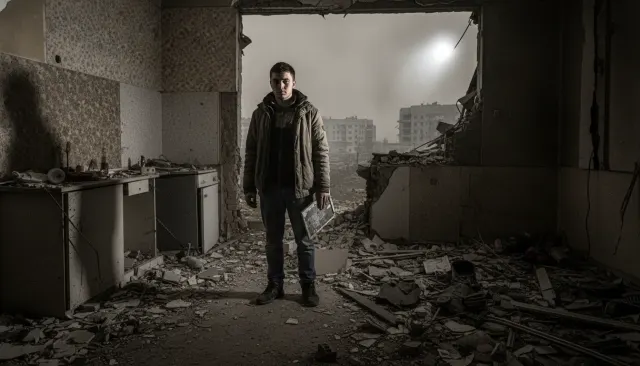 Genres ExtendedConflict Zone Photojournalism Color
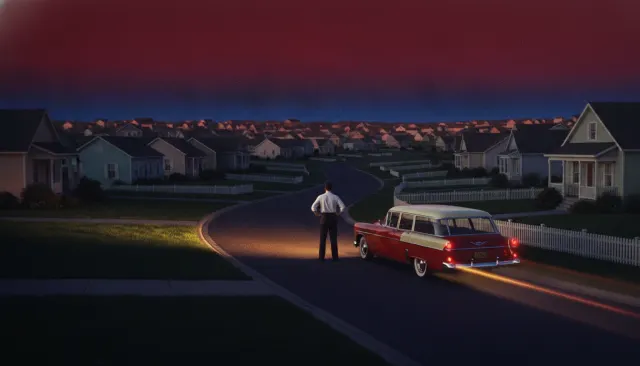 Photographic EraKodachrome 1950s Saturated