American Prospects (book, Times Books, 1987)
the defining work
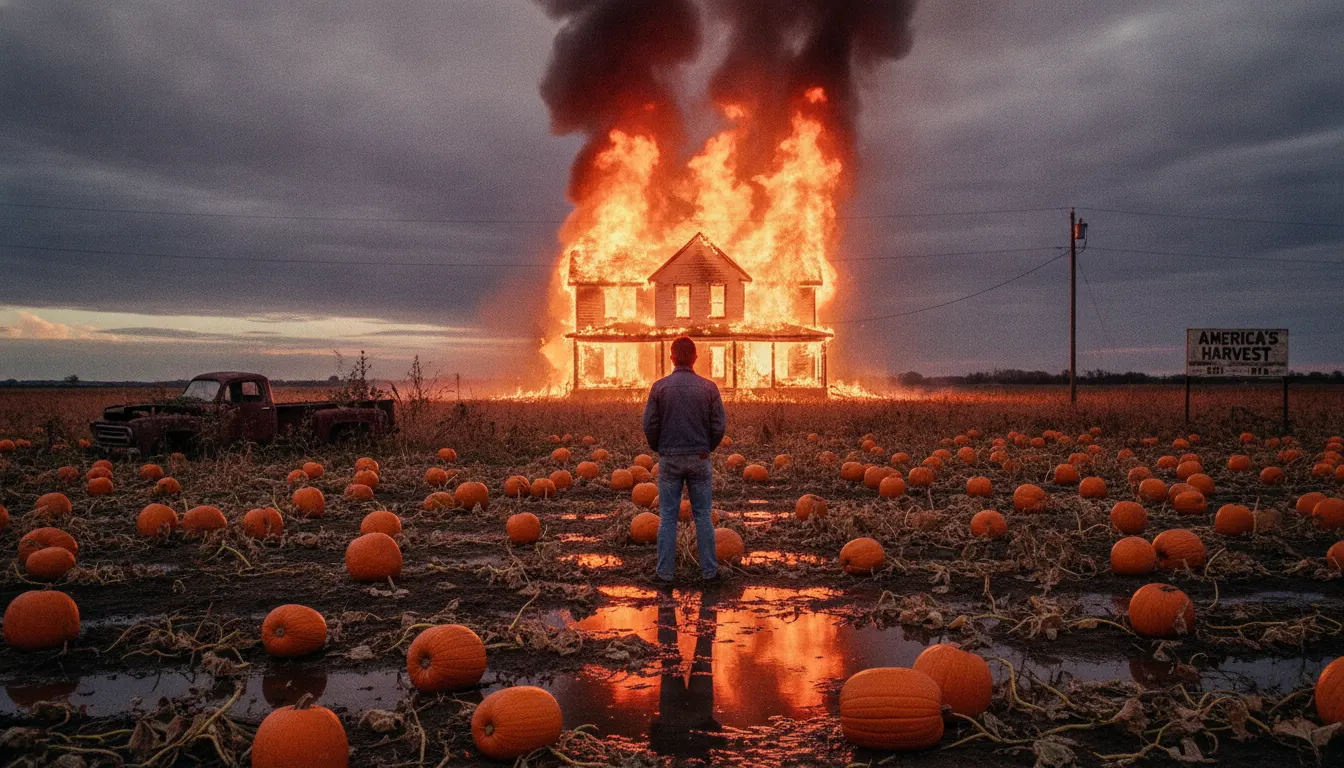
Joel Sternfeld American Prospects 8x10 color. Ironic landscape tableau, pumpkin patch with burning house, large-format compressed prospect of America.
The moves a human crew would use to get here. Cue applies them for you, and knowing their names is how you ask for a change.
maximum format for maximum descriptive capacity
saturated, slightly warm palette
the camera records without apparent evaluation
human figure as scale reference in landscape
months at a location before photographing
Joel Sternfeld (born 1944) is the master of deadpan color photography - an approach that places the camera in front of distinctly American contradictions and allows the color film to record them without editorial comment. His images look like they could be tourism brochures until the viewer notices what is actually in them: a firefighter buying a pumpkin while a house burns in the background, a man reading quietly beside a crashed car.
American Prospects (published by Times Books in 1987 after Sternfeld spent the late 1970s traveling the country) is the central work of American large-format color photography. Using an 8x10 Deardorff view camera and Ektachrome sheet film, Sternfeld photographed from a Volkswagen camper van he drove across the United States over several years. The resulting images inventory the American landscape with a completeness that approaches exhaustion: shopping malls under construction in New Mexico, a jogger running past a bloody crime scene, a family posed before a perfect sunset while a tornado forms behind them.
The 8x10 format was deliberate. The large negative renders the American landscape with a descriptive precision that no smaller format could match - every detail in a used-car lot, every logo on a strip mall facade, every figure in a suburban crowd is legible at print size. This density of information produces the deadpan effect: Sternfeld does not need to editorialize because the facts are already present in the image.
Sternfeld's project emerged from the New Topographics tradition established by the 1975 Rochester show that introduced Robert Adams, Lewis Baltz, Bernd and Hilla Becher, Stephen Shore, and others. The New Topographics photographers used large-format color or black-and-white to document the transformation of the American landscape by suburban development, industry, and commerce - treating tract housing and strip malls with the same formal seriousness previously reserved for wilderness.
Sternfeld extended this approach with more explicit narrative and ironic juxtaposition. Where Robert Adams showed a housing development without comment, Sternfeld showed the development with a human figure doing something incongruous enough to require explanation.
Sternfeld continued the large-format color documentary tradition in Stranger Passing (2001, portraits of Americans encountered by chance), Walking the High Line (2012, documenting the elevated rail park before renovation), and On This Site (1996, photographs of massacre and tragedy sites with plain text captions).
the defining work
A Look is not a filter. It is a set of stored decisions the pipeline reads before it makes a single frame, so two videos in the same Look actually match.
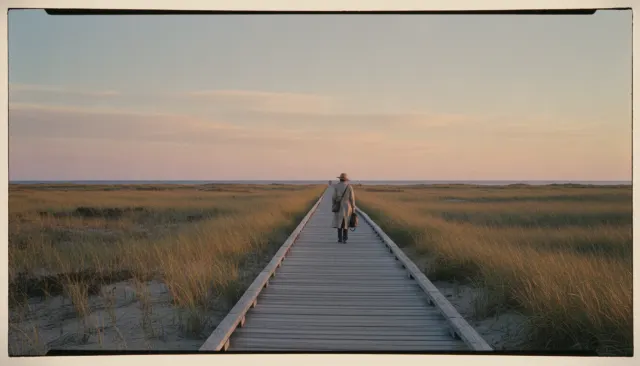 Street PhotographyJoel Meyerowitz Color Street
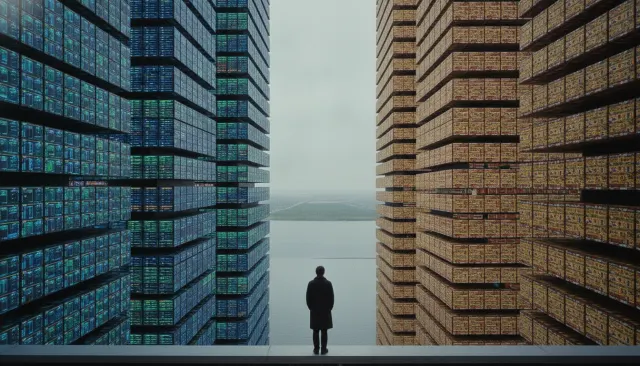 Photographers Fine ArtAndreas Gursky Large Format Monumental
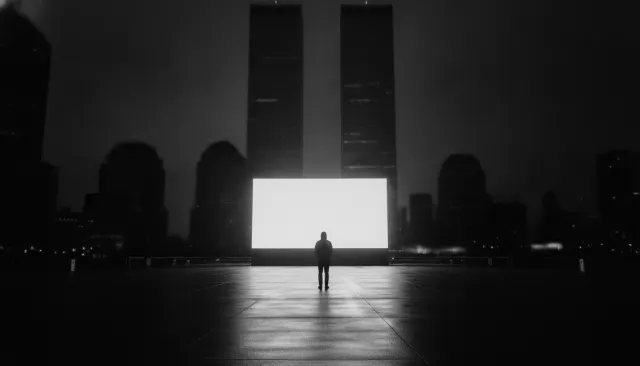 Architectural RealestateHiroshi Sugimoto Long Exposure Architecture
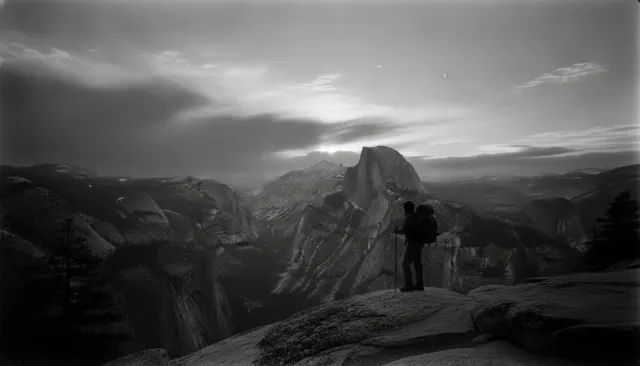 Wildlife NatureAnsel Adams BW Yosemite Large Format
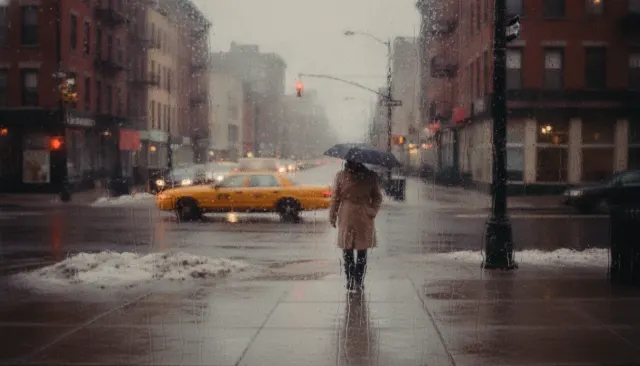 Era Specific Color1970s Gritty New York Color Saul Leiter
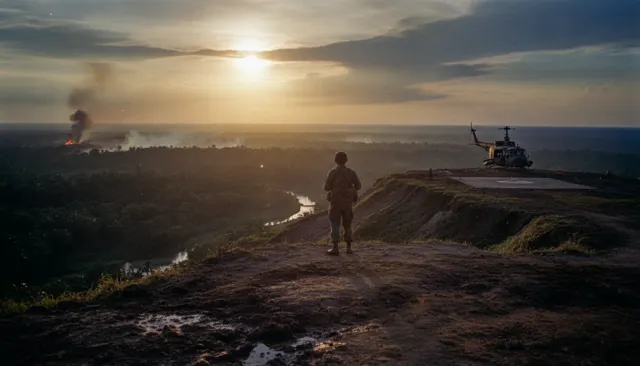 PhotojournalismLife Magazine Color Photojournalism