ARCHITECTURAL REALESTATE · CONTEMPORARY · JAPAN
Hiroshi Sugimoto Long Exposure Architecture
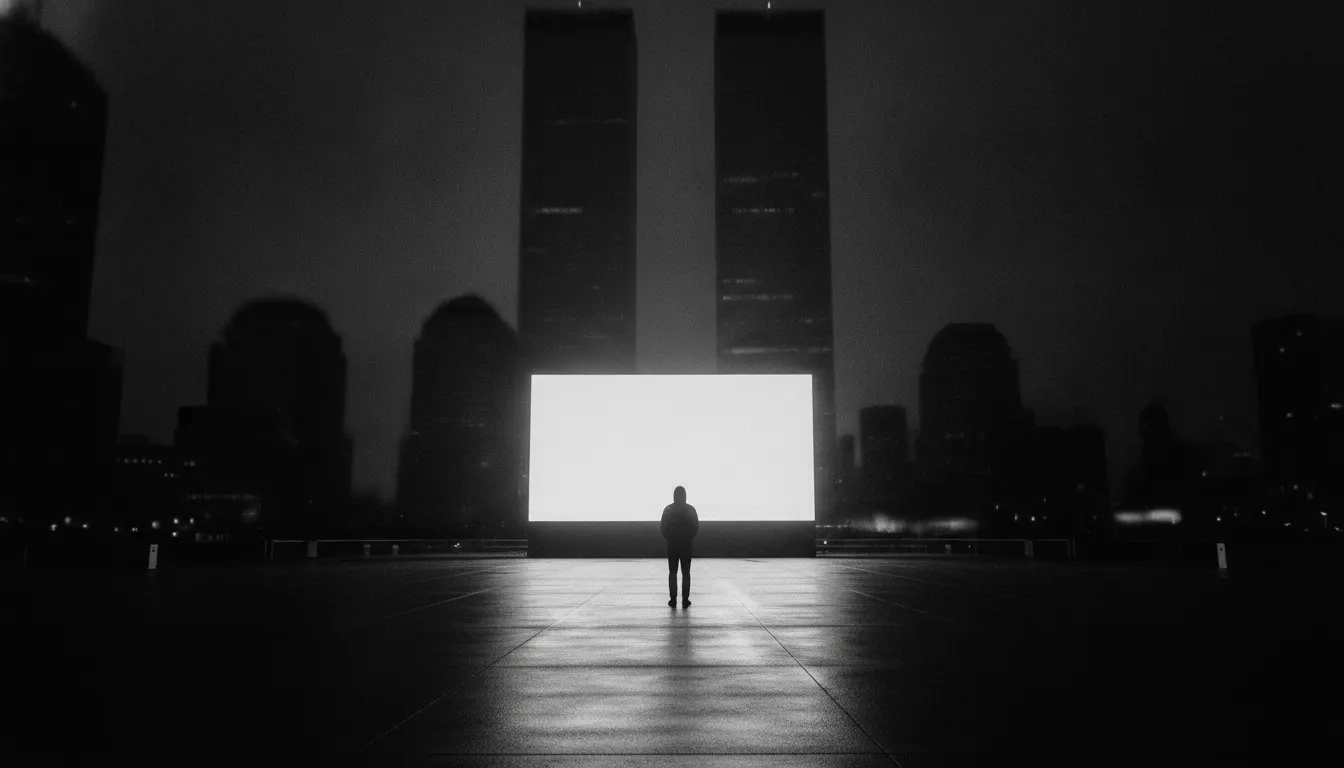
Hiroshi Sugimoto long-exposure architecture. Out-of-focus Twin Towers, Theaters series glowing screen, monumental abstraction, contemplative bw.
sugimotolong-exposureabstractmonumental
LUT sugimoto-long-exposure
WHEN TO USE
- Meditative or contemplative brand content requiring stillness and depth
- Architecture and interior photography emphasizing atmosphere over documentation
- Long-exposure water or sky photography for luxury, wellness, or editorial contexts
- Time-lapse or blurred-motion content exploring duration and change
- Art or gallery contexts where large-format print quality matters
- Minimalist brand aesthetics demanding visual silence and tonal purity
WHEN NOT TO USE
- Action or fast-moving subject matter - the look requires stillness
- Commercial photography with tight deadlines - Sugimoto's method is extremely time-intensive
- Color-dependent subjects: the look is strictly monochrome
- Social media content requiring quick visual read at small screen sizes
- Journalism or documentary work needing recognizable, legible imagery
SIGNATURE TECHNIQUES
How the look is made.
The moves a human crew would use to get here. Cue applies them for you, and knowing their names is how you ask for a change.
- 018x10 large
format view camera on heavy tripod - maximum resolution and tonal range
- 02Exposure times from 15 minutes to several hours, collapsing time into a single frame
- 03Deliberate defocus for the Architecture series
setting focus past hyperfocal distance
- 04Horizon
bisected composition in Seascapes: equal halves of water and sky
- 05Gelatin silver printing on hand
coated paper at large scale (48x58 inches typical)
- 06Meticulous darkroom printing
no digital post-processing
- 07Subject selection based on deep time
oceans, extinct animals, ancient buildings
HISTORY & CONTEXT
Where it comes from.
Hiroshi Sugimoto: Long Exposure and Architecture
Hiroshi Sugimoto (born 1948) is the most systematic philosopher of photography working today. Where most photographers try to capture a moment, Sugimoto uses the medium to make time visible, collapsing minutes, hours, and geological eons into a single frame. His three major series - Seascapes, Dioramas, and Architecture - each attack the same question from a different angle: what does a photograph actually record?
The Seascapes Series (1980-ongoing)
Begun in 1980, the Seascapes series photographs the boundary between ocean and sky from locations spanning every continent and ocean: the English Channel, the Tasman Sea, the Sea of Japan, the Caribbean. Each image is divided precisely at the horizon line into equal halves of water and sky. The exposure duration ranges from 15 minutes to over an hour; the 8x10 large-format camera renders both surfaces as luminous, featureless planes.
The concept is rigorous: Sugimoto chose the sea because it is the oldest thing a living person can look at. A prehistoric human saw the same sea we see now. By printing with extreme tonal precision on gelatin silver paper, he creates images that feel both utterly contemporary and timelessly ancient. The 48x58-inch prints at Gagosian and Sonnabend installed at eye level reproduce the actual horizon height.
The Architecture Series (1997-2002)
For the Architecture series, Sugimoto photographed landmark 20th-century buildings - Le Corbusier's Unite d'Habitation, Frank Lloyd Wright's Guggenheim, Mies van der Rohe's Farnsworth House - by setting his 8x10 camera's focus to twice the hyperfocal distance, putting nothing in focus. Every edge dissolves into luminous haze. Hard Modernist geometry becomes soft, ghostly light. The effect is the opposite of architectural photography's conventional precision; instead of documenting form, Sugimoto reveals the light trapped inside it.
Theaters (1978-ongoing)
The Theaters series pointed the camera at movie screens during an entire feature film with the shutter held open. The projected light exposes onto the film, turning the screen into a luminous rectangle - the only fully lit element in an otherwise dark theater interior. Each image is a complete film compressed into one frame.
Working Method
Sugimoto works exclusively with an 8x10 Deardorff or Linhof view camera on a heavy tripod. He uses ortho film and traditional wet darkroom processes, printing on hand-coated gelatin silver paper at large scale. His printing is meticulous to the point of obsession: he has described making over 100 test prints before arriving at the final version of a single image.
NOTABLE WORKS
Where you have seen it.
Theaters series: 'Union City Drive-In' , 'Radio City Music Hall'
1978
Architecture series: Guggenheim , Farnsworth House , Unite d'Habitation (1998)
1997
Dioramas series: 'Polar Bear' , 'Black Rhinoceros' (1980)
1976
Lightning Fields series, 2006-ongoing
Seascape, Boden Sea, Uttwil , one of his most reproduced Seascapes
1993
THE RECIPE
The exact knobs
the renderer turns.
A Look is not a filter. It is a set of stored decisions the pipeline reads before it makes a single frame, so two videos in the same Look actually match.
SettingValue
GradeColour LUT applied to every frame
sugimoto-long-exposureTransitionHow one shot becomes the next
dissolve cuts · 680ms · ease-in-outKen BurnsCamera move applied to stills
Slow push · 0.015 · centerTypographyDisplay / body / mono pairing
Cormorant · Lora · CourierMusic moodWhat the bed under the voice sounds like
ambient-drone-meditation · ryuichi-sakamoto-pianoPrompt suffixAppended to every shot prompt in this Look
Hiroshi Sugimoto long exposure architecture, out of focus Twin Towers, Theaters series glowing screen, monumental abstraction bwPALETTE
Primary
#0A0A0A
Secondary
#3A3A3A
Accent
#A89B82
Text/Light
#000000
Text/Dark
#EBE0CC
BG 900
#000000
BG 800
#0A0A0A
RELATED LOOKS
Next to it on the shelf.
 Wildlife NatureAnsel Adams BW Yosemite Large Format
 Photographers Fine ArtAndreas Gursky Large Format Monumental
 Architectural RealestateCandida Höfer Symmetric Interior
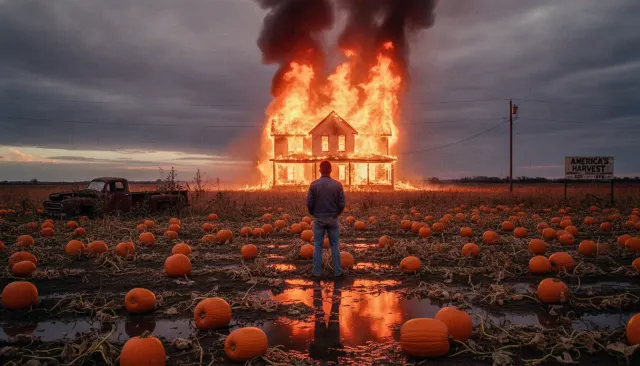 Photographers Fine ArtJoel Sternfeld American Prospects
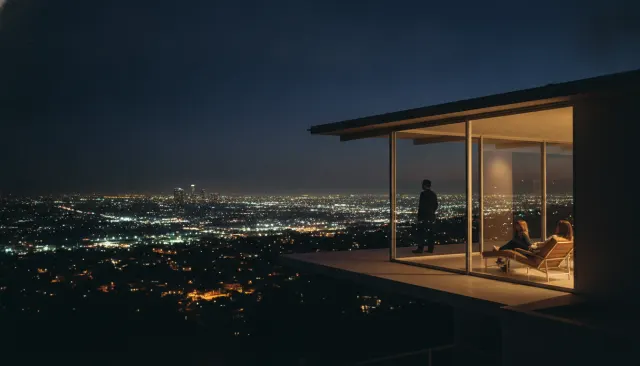 Architectural RealestateJulius Shulman Mid Century Modern
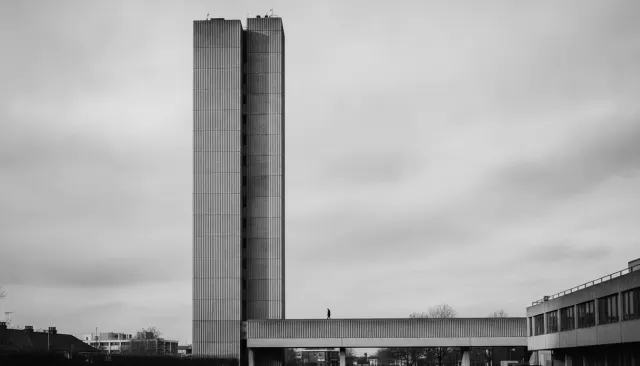 Architectural RealestateBrutalist Architecture Photography
Your first cut
is on us.
+ New videoFree plan · no card · 1080p export