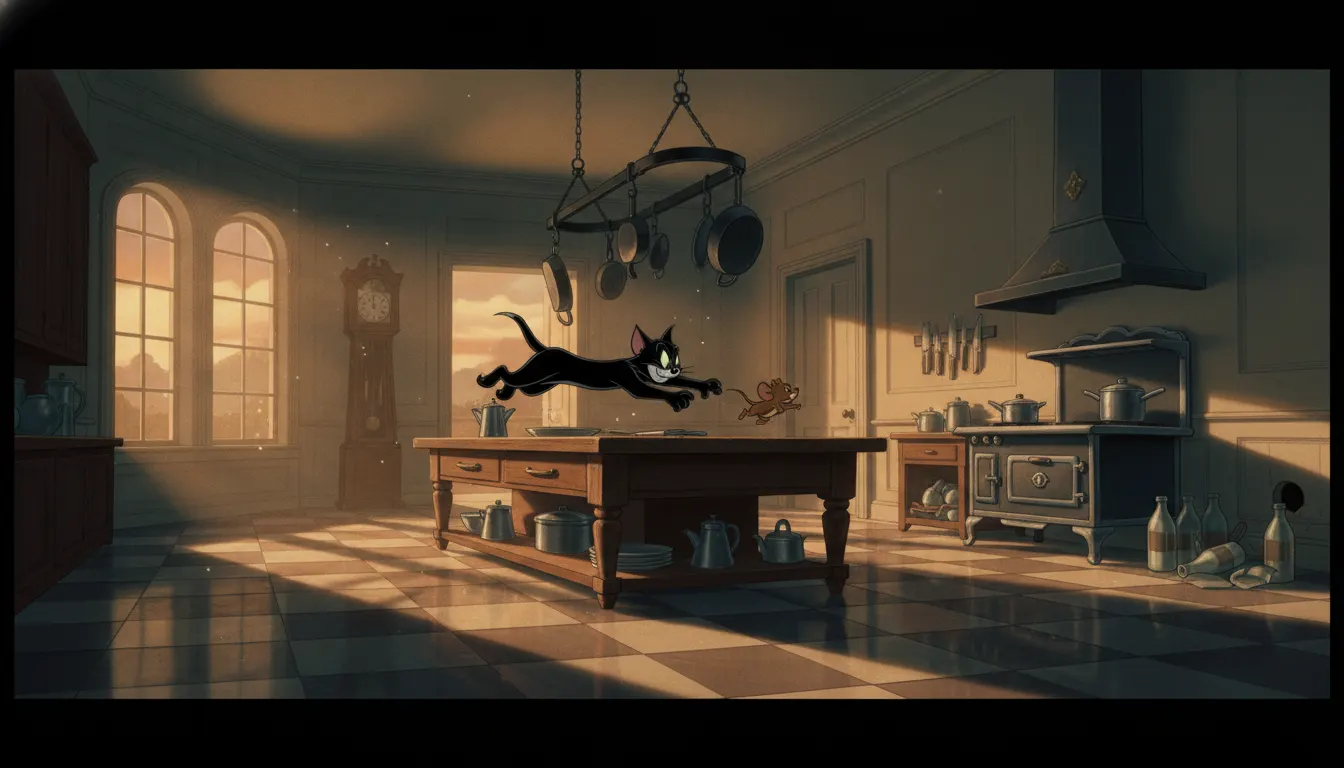
Puss Gets the Boot
William Hanna + Joseph Barbera / MGM · 1940
Original Tom and Jerry short establishing the format (Tom named 'Jasper', Jerry unnamed)
MGM Tom and Jerry Hanna-Barbera era physical-comedy cel. Pristine suburban kitchen, cat versus mouse chase staging, fluid full animation.
The moves a human crew would use to get here. Cue applies them for you, and knowing their names is how you ask for a change.
Every held pose carefully rendered, characters expressing emotion through complete body posture rather than limited keyframing - theatrical studio quality
Bodies compressing to two-dimensional pancakes under impact, stretching to impossible lengths during chases, reassembling immediately for the next gag
Suburban American interiors rendered in full gouache illustration - parquet floors, wallpaper patterns, kitchen furnishings with period-accurate detail
Jazz and orchestral scores precisely synchronized to action beats - every footstep, impact, and pause musically annotated
Gags structured around progressively more elaborate physical consequences - the third beat is always more extreme than the first
Human characters shown only as legs and feet (Mammy Two-Shoes), maintaining scale focus on cat and mouse while implying a larger domestic world
Tom and Jerry was created by William Hanna and Joseph Barbera at MGM's cartoon studio, with the first theatrical short Puss Gets the Boot premiering on February 10, 1940. The original MGM series ran for 114 shorts through 1958 under Hanna and Barbera's direction, followed by additional series under Chuck Jones (1963-67) and others. The original Hanna-Barbera MGM era (1940-1958) is the canonical aesthetic reference.
The MGM era Tom and Jerry operates in the tradition of classical Hollywood theatrical animation shorts - the 7-minute format designed to accompany feature films. Production was lavish by animation standards: full animation with every held pose carefully rendered, elaborate background art, and music scores by Scott Bradley that closely synchronized to on-screen action (continuing the Walt Disney 'Mickey Mousing' tradition into jazz and orchestral sophistication).
Background art supervisor Robert Gentle developed richly painted environments: the 1940s-50s suburban American home that serves as the primary arena, with parquet floors, patterned wallpaper, and kitchen furnishings rendered in full gouache illustration detail. The backgrounds are significantly more detailed than the characters - a common theatrical animation technique where environment establishes realism that character exaggeration then plays against.
The action vocabulary of Tom and Jerry directly descends from Tex Avery's approach at MGM (Avery worked alongside Hanna-Barbera at MGM through the 1940s): squash-and-stretch physics taken to absurdist extremes, characters compressed into two dimensions by falling objects, bodies stretching to impossible lengths during chases. Tom regularly has his head flattened, his tail twisted, and his entire form compressed into shapes that no anatomy could survive.
The violence is elaborate and repetitive by design - each short constructs variations on the mouse-evading-cat premise with escalating physical punishment. This escalating structure is fundamental to the aesthetic: the enjoyment depends on familiarity with the premise and surprise in each variation.
Many early shorts feature only Tom's human owner's legs and voice (Mammy Two-Shoes, voiced by Lillian Randolph) - an economy that keeps the scale focused on cat and mouse while suggesting a broader human world. This partial-human convention is distinctive to the MGM era.
The Chuck Jones-directed MGM shorts (1963-1967) shift the aesthetic slightly toward Jones's own visual vocabulary from Warner Bros.: cleaner lines, more exaggerated expressions, different comedic timing. Hanna-Barbera's own 1975 Tom and Jerry Show applied limited TV animation budgets to the characters. The 1992 film Tom and Jerry: The Movie added speaking voices (controversial among fans). More recent iterations include Tom and Jerry Tales (2006-2008) and Tom and Jerry (2021 hybrid film).
William Hanna + Joseph Barbera / MGM · 1940
Original Tom and Jerry short establishing the format (Tom named 'Jasper', Jerry unnamed)
William Hanna + Joseph Barbera / MGM · 1943
Academy Award winner - wartime-themed short representing peak MGM era production quality
William Hanna + Joseph Barbera / MGM · 1947
Academy Award winner - Tom playing piano while Jerry disrupts; musical synchronization masterpiece
William Hanna + Joseph Barbera / MGM · 1953
Final Academy Award winner for the series - Strauss waltz setting
William Hanna + Joseph Barbera / MGM · 1945
Jerry-in-New-York solo episode showcasing the show's background art painting quality in urban settings
Various / Warner Bros. · 1940
Parallel theatrical short tradition at Warner Bros. - Bugs Bunny/Elmer Fudd as chase-cartoon contemporaries
Chuck Jones / Warner Bros. · 1957
Chuck Jones MGM-era contemporary - the director who later helmed Tom and Jerry for MGM 1963-1967
A Look is not a filter. It is a set of stored decisions the pipeline reads before it makes a single frame, so two videos in the same Look actually match.
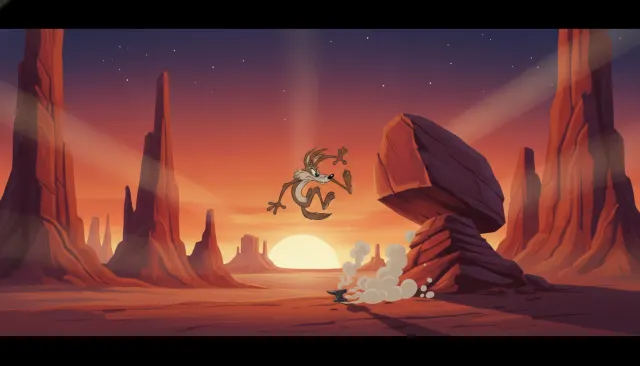 Classic Western CelLooney Tunes Tex Avery
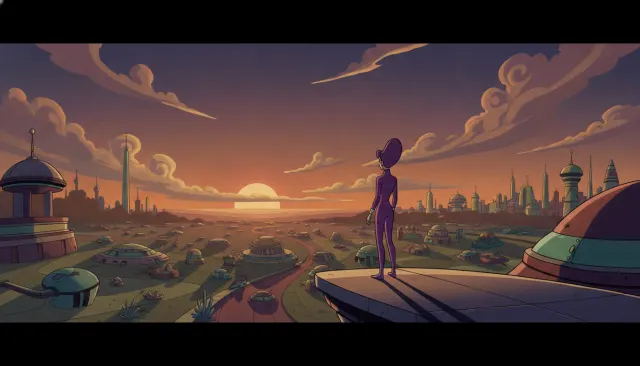 Classic Western CelHanna-Barbera Limited Animation
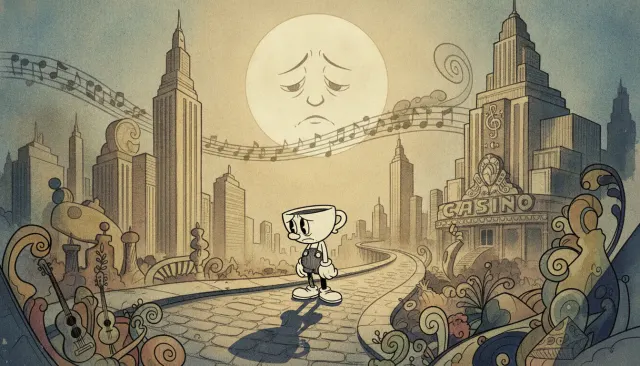 Indie StylizedCuphead 1930s Rubber Hose
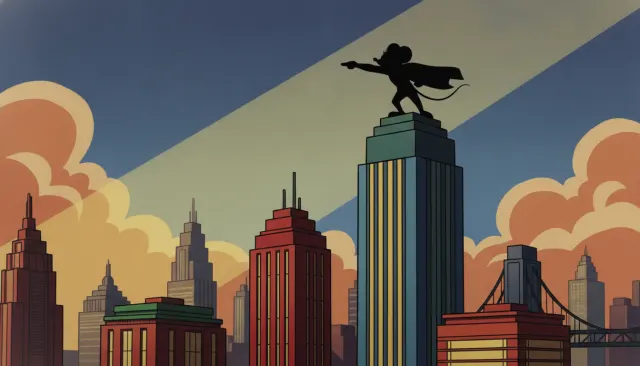 Classic Western CelMighty Mouse Saturday Morning
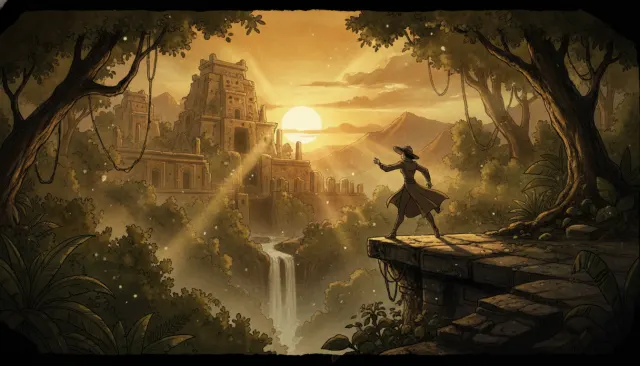 Classic Western CelDisney Golden Age Cel
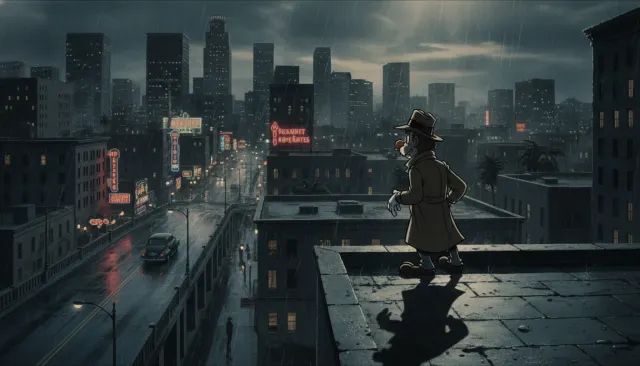 Live Animation HybridWho Framed Roger Rabbit Cel on Live
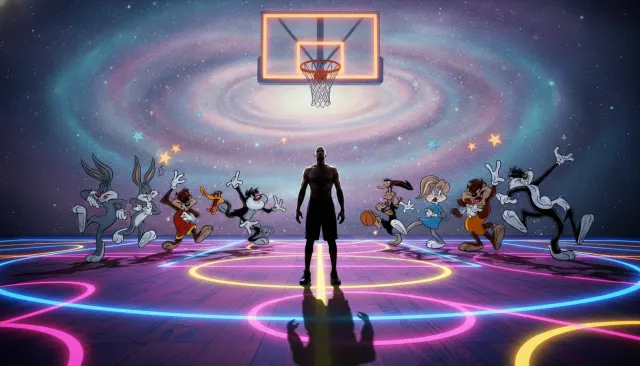 Live Animation HybridSpace Jam Cel on Court Mix