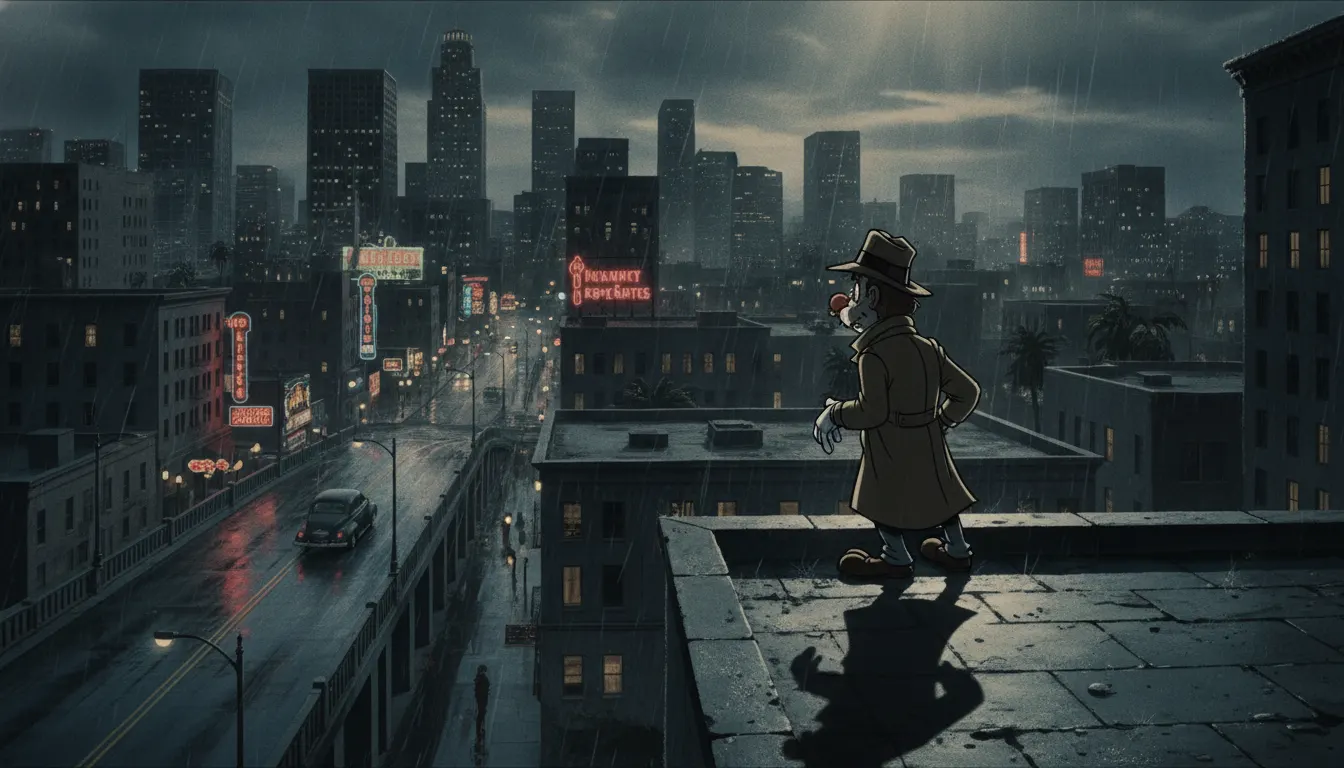
Robert Zemeckis (dir.)
*Who Framed Roger Rabbit* (1988, Touchstone/Amblin, DP Dean Cundey)
Who Framed Roger Rabbit toontown hybrid. Hand-painted 2D cel characters composited into live-action 1940s noir Los Angeles, ink-and-paint contact shadows, Zemeckis camera moves.
The moves a human crew would use to get here. Cue applies them for you, and knowing their names is how you ask for a change.
matching: animated characters cast accurate shadows on live surfaces from the matching light source direction
animated characters grip, throw, or receive physical props present on set
animation ink-and-paint colors calibrated to read at the same exposure as live footage
look effects: animated characters react to liquids poured over them with animated splash effects registered to live water
object puppetry: physical proxy objects puppeteered on set for character to 'hold', swapped in post
live-action elements (table edges, walls) occlude animated characters at correct depth
animated character speed-blur timed to match camera motion and shutter speed of live footage
The Who Framed Roger Rabbit cel-on-live technique is the gold standard of 2D cel animation composited into live-action film: characters rendered in hand-drawn ink-and-paint interact with photorealistic live environments at the same light level, casting and receiving shadows, lifting and being lifted by live actors, and responding to physical forces as if genuinely present in the filmed world.
Robert Zemeckis directed Who Framed Roger Rabbit (1988, Touchstone/Amblin/Warner Bros.) with Richard Williams serving as animation director. Williams, the Canadian-British animator behind A Christmas Carol (1971, Academy Award) and the incomplete The Thief and the Cobbler (in production 1962–1995), brought a commitment to character animation quality unusual in Hollywood commercial production. His studio in London produced approximately 82,000 individual animation drawings for the film.
The production challenge was unprecedented: every animated character had to cast accurate shadows on live-action surfaces, hold physical objects filmed as props, and be lit to match the cinematography of Dean Cundey (who had shot Halloween 1978 and would shoot Jurassic Park 1993). The solution combined several technologies: live action was shot with purposely directional lighting designed around where animated characters would be placed; props for toons to hold were built as physical objects operated by puppeteers on set, then replaced in post; shadow passes were created separately and composited; and the optical printing work was done by Industrial Light & Magic (ILM) with their proprietary processes.
The result set the standard for photorealistic integration of animation with live footage. The seam is visible in certain shots under close scrutiny, but the overall impression – particularly in the Toon Town sequences – of animated characters genuinely inhabiting a physical world was not equaled until CGI made the problem tractable in the mid-1990s (Jumanji 1995, The Mask 1994).
The film won Academy Awards for Visual Effects, Film Editing, and two special awards for Richard Williams and visual effects supervisor Ken Ralston. It remains the definitive benchmark for 2D cel animation in live-action environments.
The film adapted Gary K. Wolf's novel Who Censored Roger Rabbit? (1981), transforming a comic-strip rights dispute into a noir mystery set in 1947 Hollywood. Screenwriters Jeffrey Price and Peter Seaman and executive producer Steven Spielberg developed the Toon Town concept – a segregated district of Los Angeles where animated characters live and work – as a direct analogy to postwar American racial segregation. This political subtext gives the aesthetic its moral weight: the visual seam between animation and live-action is not mere technical spectacle but a representation of enforced separation between communities. Understanding this context makes the cel-on-live aesthetic available as a tool for content that wants to explore divisions and crossings between different worlds or registers of reality.
*Who Framed Roger Rabbit* (1988, Touchstone/Amblin, DP Dean Cundey)
1988
animation direction on *Who Framed Roger Rabbit*
*A Christmas Carol* (1971, Academy Award short animation)
1988
visual effects supervision, Academy Award winner *Who Framed Roger Rabbit*
*The Thief and the Cobbler* (1962–1995, unfinished masterwork)
*Space Jam* (1996, following Roger Rabbit's cel-on-live template with reduced integration fidelity)
*Betty Boop* 1930s live-action shorts, early precursor cel-on-live experiments
A Look is not a filter. It is a set of stored decisions the pipeline reads before it makes a single frame, so two videos in the same Look actually match.
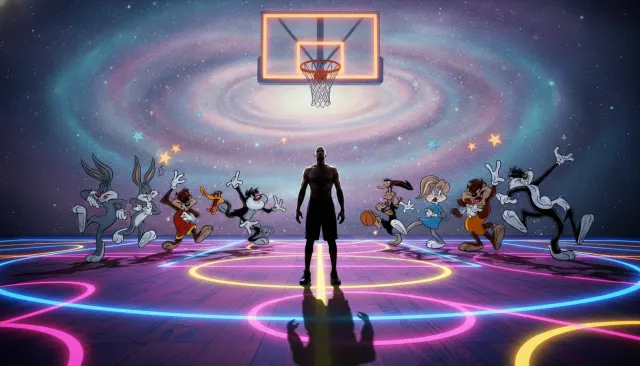 Live Animation HybridSpace Jam Cel on Court Mix
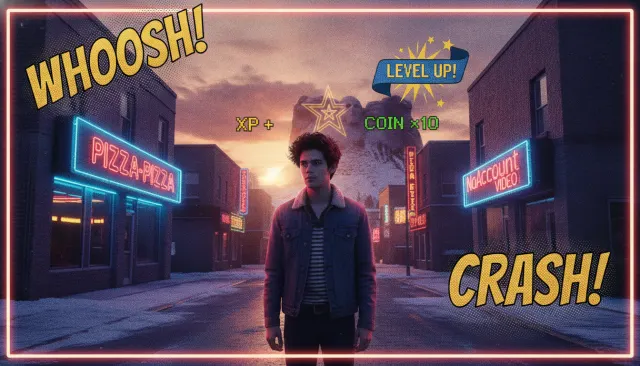 Live Animation HybridScott Pilgrim Comic Effect Live
 Live Animation HybridRotoscope Waking Life Painterly Hybrid
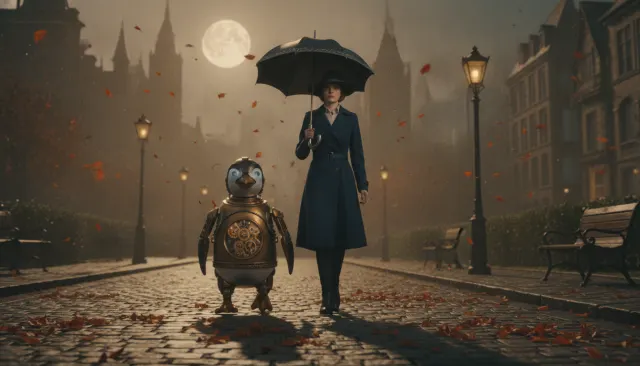 Mixed Media Stop MotionLive Action Stop Motion Hybrid
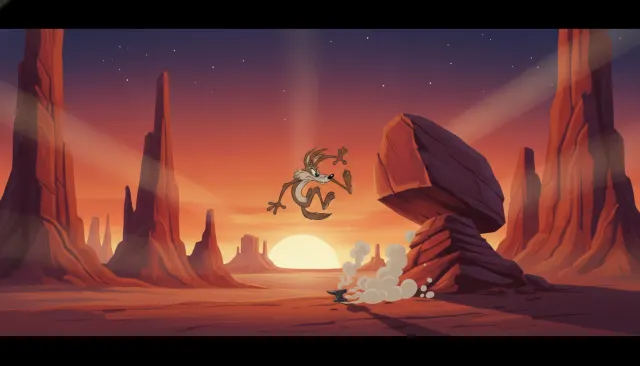 Classic Western CelLooney Tunes Tex Avery
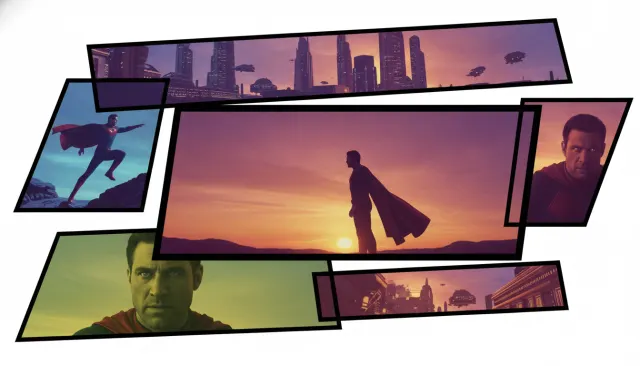 Live Animation HybridAng Lee Hulk Comic Panel Overlay