Edgar Wright (dir.)
*Scott Pilgrim vs the World* (2010, Universal, DP Bill Pope)
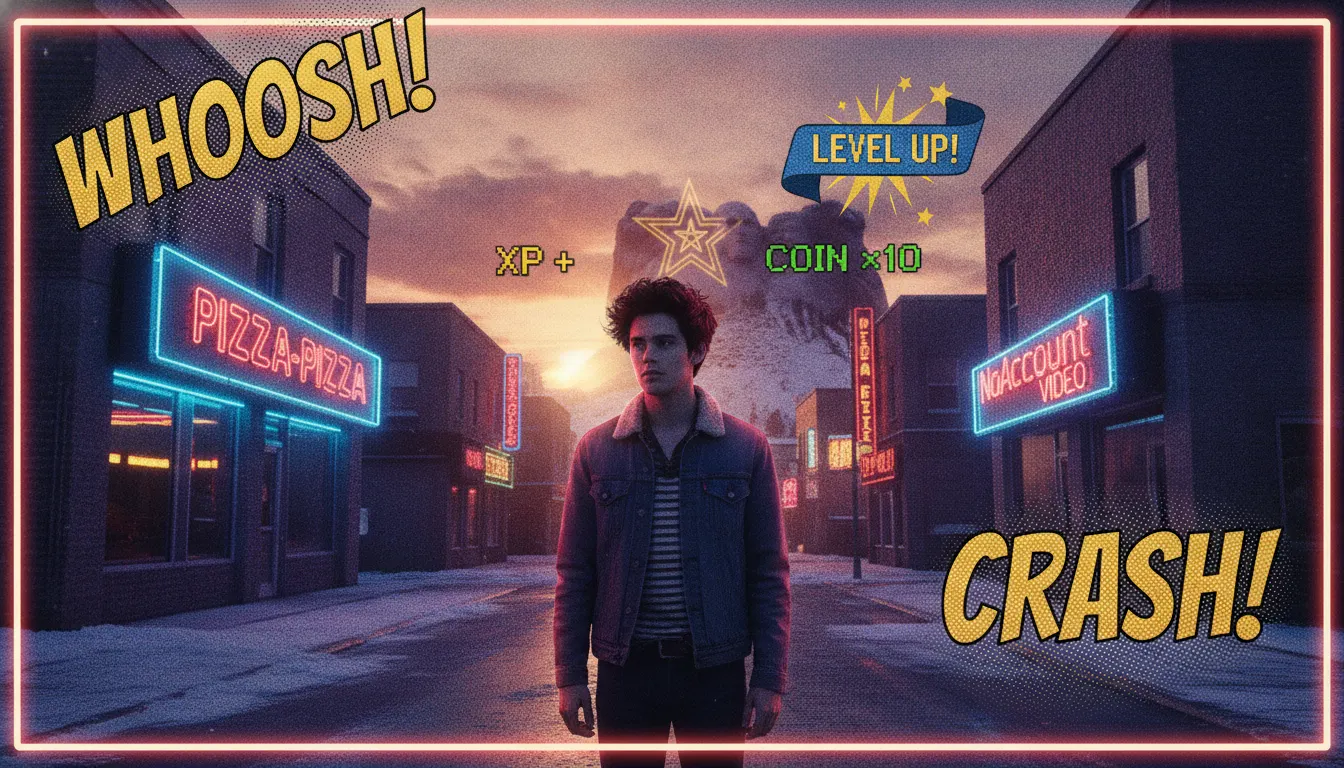
Scott Pilgrim vs the World comic-effect hybrid. Edgar Wright live-action with onomatopoeia callouts, halftone screentone overlays, Bryan Lee O Malley video-game UI bursts on real actors.
The moves a human crew would use to get here. Cue applies them for you, and knowing their names is how you ask for a change.
lettered onomatopoeia bursts appearing on physical impact in frame
life bars, score counters, and EXP displays acknowledged by characters
card pop-ups introducing cast members as game characters with stats
hearts, stars, music notes, sweat drops at character reaction points
edge borders appearing briefly at scene boundaries implying comic page grammar
bit sound effects synchronized to visual impact bursts
The Scott Pilgrim comic effect live style is defined by its commitment to making the interface between video game, comic book, and live-action cinema feel genuinely integrated rather than decorative. Edgar Wright's Scott Pilgrim vs the World (2010, Universal Pictures) did not simply paste comic effects over footage – it rebuilt the cinematography, editing rhythm, and sound design around the logic of a side-scrolling fighting game crossed with a Bryan Lee O'Malley comic panel.
Bryan Lee O'Malley created the Scott Pilgrim comic series (6 volumes, 2004–2010, Oni Press) drawing on manga conventions – specifically Japanese action manga screen tone, exaggerated impact frames, and musical notation as visual element – filtered through North American indie comics sensibility. The series follows a Toronto slacker who must defeat his girlfriend's seven evil exes in video game combat. O'Malley's typography, sound effects, and visual effects are integral to the story rather than decoration.
Wright began adapting the material in 2009, hiring visual effects supervisors Marc Weigert and Frazer Churchill to develop on-set and post-production approaches that would realize the comic grammar on screen. Costume designer Laura Jean Shannon, production designer Marcus Rowland, and DP Bill Pope collaborated to build a palette and set of visual rules.
Key elements in the Scott Pilgrim comic effect system: (1) onomatopoeia bursts – KAPOW, THWAK, BOOOM – rendered as custom typography in precise comic book hand-lettered style, appearing in frame on impact; (2) video game life bars and score counters overlaid as diegetic HUD elements that the characters acknowledge; (3) action lines radiating from impact points; (4) character stat cards appearing as pop-up game-UI panels; (5) manga-style emotional reaction inserts (stars, flowers, sweat drops); (6) 8-bit chiptune sound effects bridging arcade game and live performance; (7) screen wipe transitions that acknowledge the panel-to-panel jump of comics.
The film influenced game UI design, motion graphics, and social media creative for the following decade. "Scott Pilgrim" became shorthand in production design for comic-effects-in-live-action.
A key element often overlooked in visual analysis of the Scott Pilgrim style is the role of sound in completing the comic-panel grammar. Sound designer Julian Slater and composer Nigel Godrich worked with Wright to ensure that each onomatopoeia burst was driven by specific audio character: the KAPOW arrives simultaneously as a visual burst and a pitched synthetic impact; chiptune game-over themes play at character defeat moments. Without this audiovisual synchronization, the comic effects would read as disconnected decorations. The fully realized form of this look in video requires audio design that matches the visual grammar.
Edgar Wright's editing style – the 'cornetto' rhythm of matched cuts on action with musical accents, developed through Shaun of the Dead (2004) and Hot Fuzz (2007) – reached its densest expression in Scott Pilgrim. The visual effects are inseparable from the editing pace: the comic bursts work because they land on the beat.
*Scott Pilgrim vs the World* (2010, Universal, DP Bill Pope)
*Scott Pilgrim* comic series volumes 1–6 (2004–2010, Oni Press)
video game extending the live-action-in-comic aesthetic
*Hulk* (2003, Universal) – split-panel comic frame transition approach
*Batman* TV series (1966, ABC) – onomatopoeia cards in fight scenes, progenitor of the form
*Seconds* graphic novel (2014, Ballantine Books)
*Gurren Lagann* (2007, Gainax) – manga-impact-frame anime precursor
A Look is not a filter. It is a set of stored decisions the pipeline reads before it makes a single frame, so two videos in the same Look actually match.
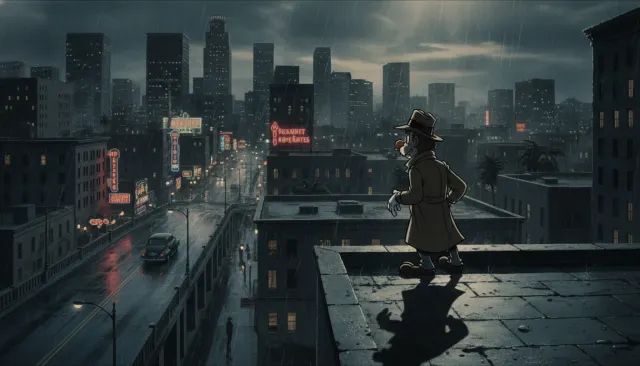 Live Animation HybridWho Framed Roger Rabbit Cel on Live
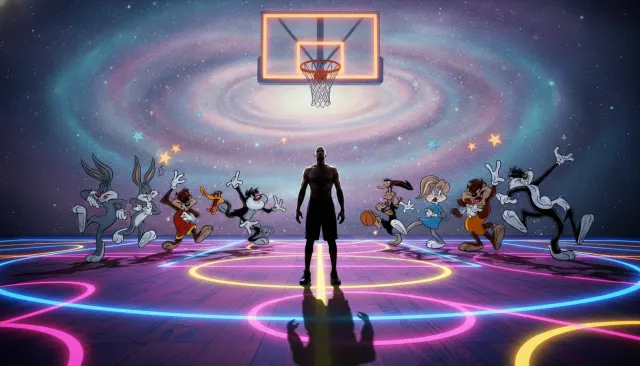 Live Animation HybridSpace Jam Cel on Court Mix
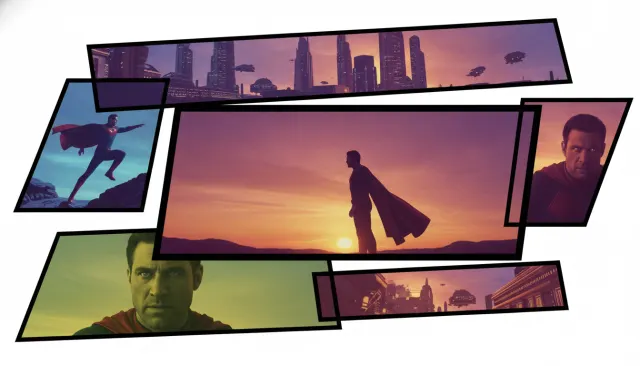 Live Animation HybridAng Lee Hulk Comic Panel Overlay
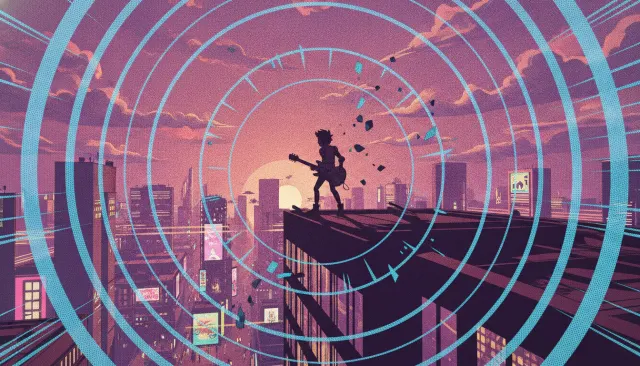 Indie ModernHi-Fi Rush Comic Stylized 3D
 Live Animation HybridRotoscope Waking Life Painterly Hybrid
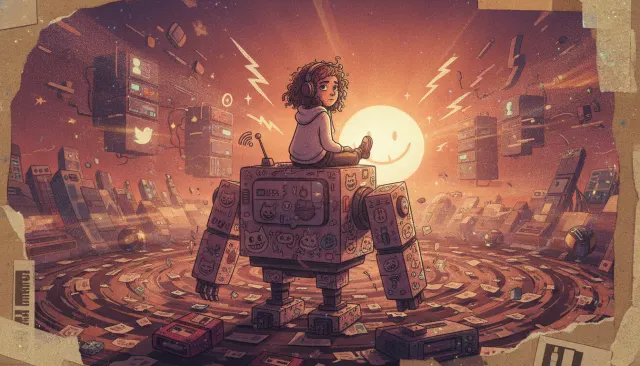 Indie 3D ExpansionMitchells vs Machines Comic 3D