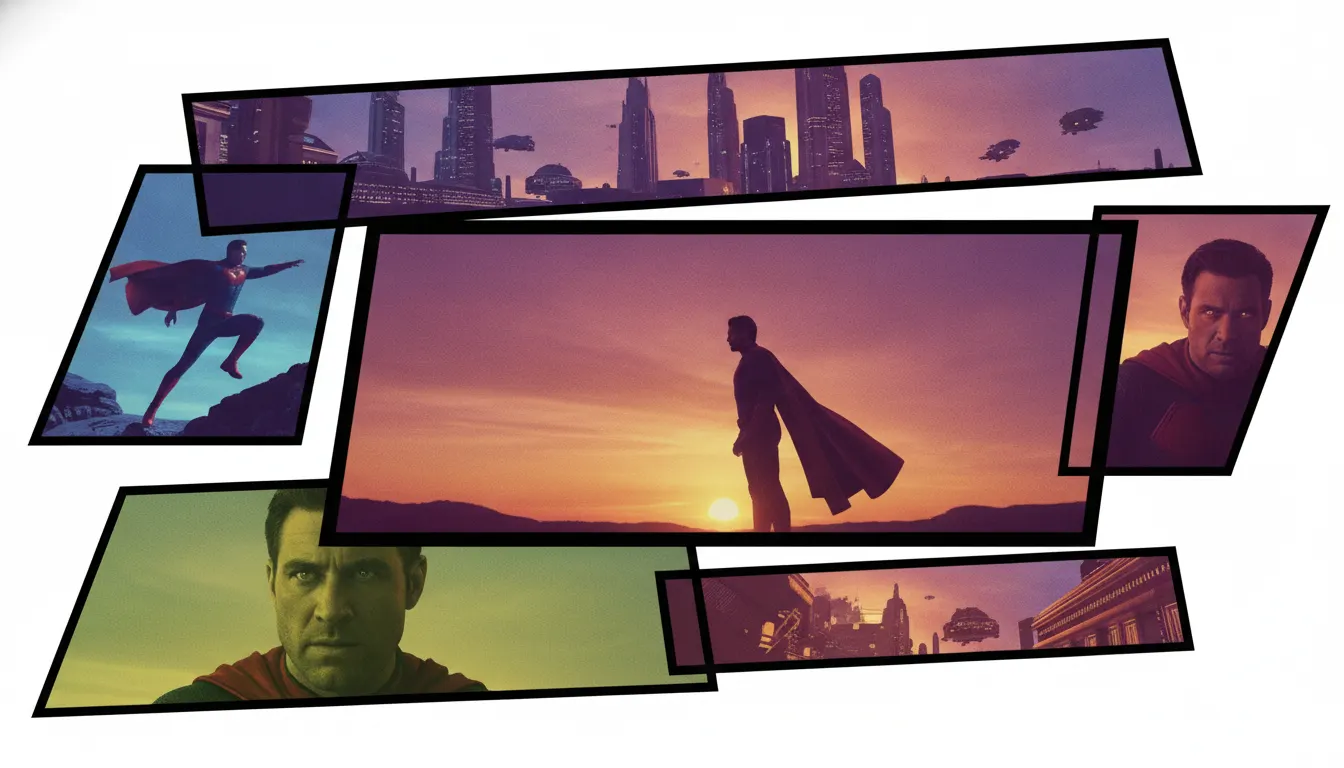
Hulk (dir. Ang Lee, ed. Tim Squyres, 2003)
foundational cinematic multi-panel experiment
Ang Lee Hulk 2003 comic-panel-overlay editing. Live-action footage broken into split-panel comic-book gutter grids, sliding panels, dynamic panel-to-panel transitions.
The moves a human crew would use to get here. Cue applies them for you, and knowing their names is how you ask for a change.
edge panel geometry: crisp rectangular borders with no soft vignette, directly mimicking print page layout
multiple panels showing the same narrative moment from different angles at once
one dominant panel at 60-70% of frame with subordinate panels alongside
each panel holds its own distinct grade, recalling different colorists on a printed page
up and wide shot cohabiting the same frame simultaneously
cutting with audio following narrative focus while other panels play ambient beneath
In 2003, director Ang Lee and editor Tim Squyres created one of the most formally audacious superhero films ever made by adapting the visual grammar of comic books directly into the editing suite. Hulk (2003, Universal Pictures) deployed split-screen multi-panel compositions throughout - three, four, and even six simultaneous panels on screen, timed to emotional peaks, mirroring the page-layout thinking of Marvel comics artists.
Pre-2003, split-screen in cinema was largely a suspense device (Brian De Palma's Carrie 1976, Snake Eyes 1998) or a time-saving narrative shortcut. Lee and production designer Rick Heinrichs treated the frame itself as a comic page. Panels overlap, wipe, slide, and bleed into one another. Close-ups coexist with wide shots in the same moment. The technique was deliberately excessive - a formal experiment testing whether cinema could think like a comic rather than merely adapting one. Most critics at the time found it disorienting; subsequent decades reframed it as visionary.
Lee cited Jack Kirby's original Hulk comics (1962+) and the page compositions of Neal Adams as direct visual references. Editor Tim Squyres executed the sequences in Avid, essentially doing non-linear multi-layer compositing before that was standard superhero-film practice.
The technique remained rare in feature cinema after Hulk's mixed commercial reception, but migrated forcefully into motion graphics, social video, and broadcast sports. ESPN's SportsCenter and NBA highlight reels adopted multi-panel framing throughout the 2000s-2010s. Instagram and TikTok creators adapted it for reaction videos and commentary formats. Edgar Wright's comic-page editing sensibility in Scott Pilgrim vs. the World (2010) extends the same lineage, though with jump-cut energy rather than simultaneous panels.
The signature element is panels with hard geometric edges - rectangular, occasionally shaped - that hold multiple camera angles simultaneously. Panels may be equal-weight or hierarchical (one dominant, others subordinate). Color grading often differs panel to panel, mimicking different colorist hands on a printed page. Sound design cross-cuts between panels, prioritizing one audio track while others play low beneath it.
foundational cinematic multi-panel experiment
direct visual source cited by Lee
extended comic-grammar translation
early split-screen cinema reference
sustained real-time split-screen television series
split-screen for psychological fragmentation
panel composition source material
A Look is not a filter. It is a set of stored decisions the pipeline reads before it makes a single frame, so two videos in the same Look actually match.
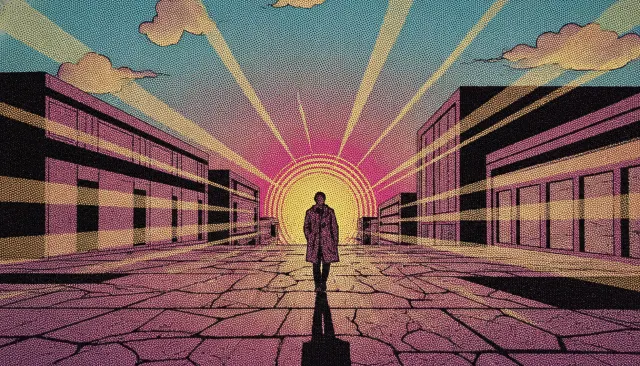 Print Process HybridHalftone Comic Print Overlay on Photo
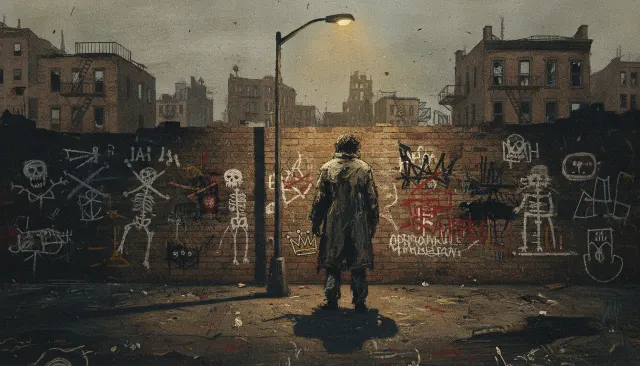 Pop And Street ArtBasquiat Graffiti Neo-Expressionism
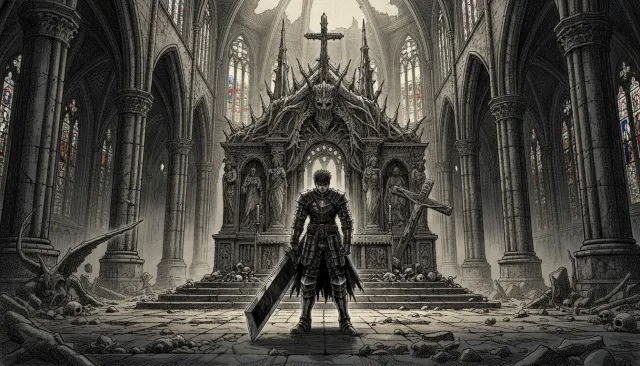 90S Manga AestheticsBerserk Dark Fantasy Ink Detail
 Indie StylizedCuphead 1930s Rubber Hose
 Motion Graphics OverlayMotion Graphic Animated Icons on Video
 Motion Graphics OverlayInfographic Callouts on Live