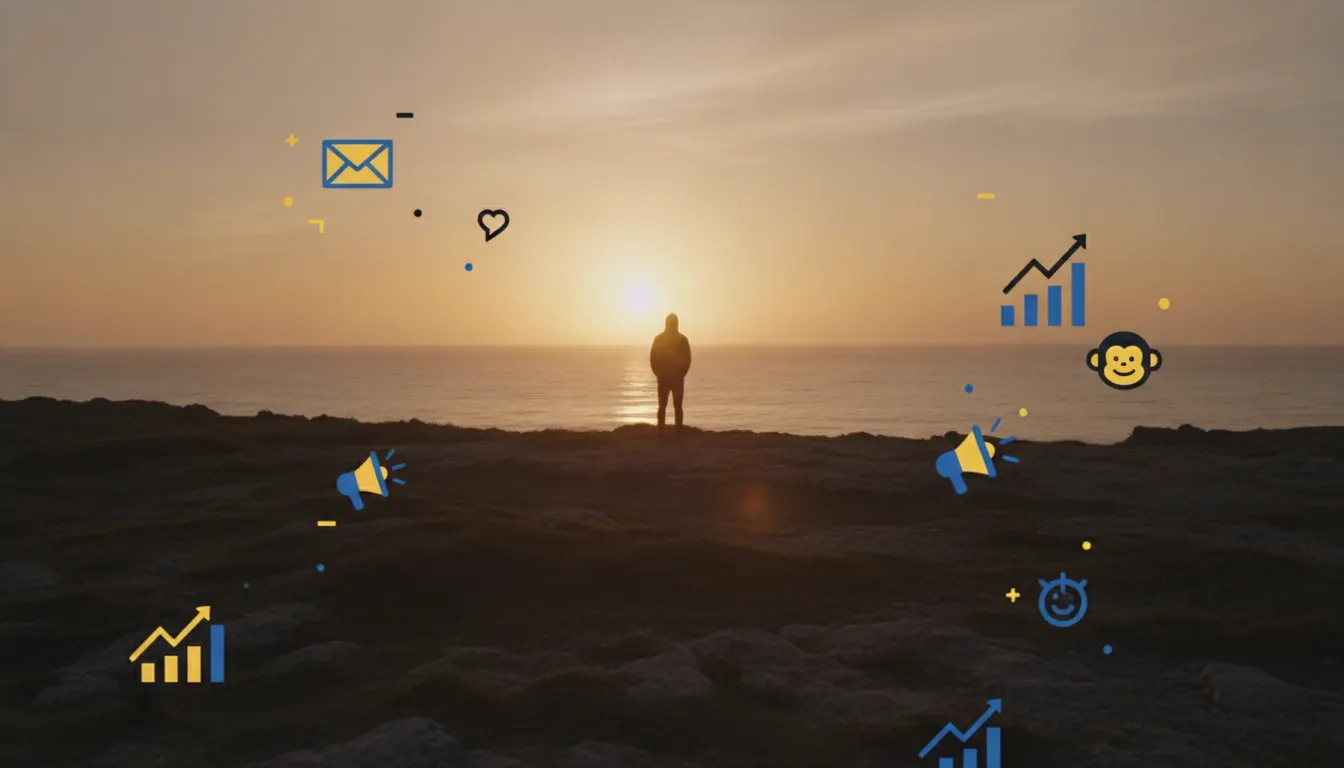
TED-Ed educational animation series (launched 2011)
foundational flat-design explainer icon aesthetic
Animated icon set overlaid on live video. After Effects flat-vector icons appearing and disappearing in sync with narration, explainer-video pacing, Mailchimp brand-motion energy.
The moves a human crew would use to get here. Cue applies them for you, and knowing their names is how you ask for a change.
icons entering with brief scale-up or fade and exiting with fade or collapse
animated arrows drawing on to connect ideas, steps, or spatial relationships
data charts animating from zero to final values as narrator describes statistics
to-photograph transitions: animated icon morphing or dissolving into live photograph for emotional landing
simple illustrated figure characters physically performing the described action
country borders, routes, and regions animating to show spatial narrative
numbered icon steps appearing in order to explain a workflow or procedure
animated objects changing relative size to represent comparative data
Motion graphic animated icons on video overlays animated flat-design icons, pictograms, charts, illustrations, and infographic elements onto live-action footage or static photographic backgrounds. The motion graphic layer does not merely annotate the video beneath - it actively narrates: icons represent concepts, arrows show direction and causation, animated figures demonstrate processes that the live footage alone cannot convey. The technique is the defining visual language of the explainer video genre.
TED (Technology, Entertainment, Design) conference talks became freely available on TED.com in 2006, and the 2008-2009 period saw explosive viewership growth. TED speakers increasingly used animated presentation slides - initially Keynote, later Prezi (launched 2009) - that mixed photography with animated diagram overlays projected behind them during talks. The TED-Ed educational animation channel (launched 2011) took this further: commissioning fully animated explainer videos that mixed illustrated characters with infographic icon sequences to teach everything from neuroscience to history.
The TED-Ed animation house style of 2011-2015 - flat pastel color fields, simple line-based character illustration, information icons that appear and animate in sync with narration - established expectations for what educational video animation should look like that are still widely operative.
Vox Media's video team (Vox.com, launched 2014) created a premium journalism animation aesthetic: reporters appeared on screen with animated map overlays, data chart animations, and illustrated icon sequences. The Vox Borders series (host Johnny Harris, 2017-2020) featured Harris on location with animated border overlays, historical map sequences, and demographic data icons. Explained (Netflix/Vox, 2018) brought the format to premium streaming. These productions established that motion graphic icons on live footage could be a prestige journalism format, not just a low-budget substitute for live visuals.
Kurzgesagt (Munich, founded 2013) developed the most distinctive and globally influential motion graphic icon style in YouTube history. Their aesthetic: warm flat colors, distinctive rounded character design, consistent icon library, and a bird mascot that appears across all productions. Every Kurzgesagt video uses animated icons to represent abstract concepts - brain cells as illustrated orbs, economic systems as animated factory chains, cosmic scales as illustrated star maps. By 2024 the channel exceeded 25 million subscribers and defined a generation's visual expectation for animated science content.
Adobe After Effects, with its motion graphics template system (MOGRT files) introduced in CC 2018, created an enormous ecosystem of animated icon packs (Envato Elements, Motion Array, VideoHive) that made the aesthetic accessible to solo creators. Lottie (Airbnb, 2017) - a JSON-based animation format - extended animated icons to web and mobile with minimal file overhead, making the motion graphic icon aesthetic native to app interfaces as well as video.
foundational flat-design explainer icon aesthetic
In a Nutshell YouTube channel (Munich, 2013+) - most globally influential motion graphic icon style
premium journalism motion graphic icons on live footage
streaming-era animated icon journalism
whiteboard animation with icon illustration
early plain-english video explainer with paper cutout icons
2017
JSON animation format bringing motion icons to web and app interfaces
2012
A Look is not a filter. It is a set of stored decisions the pipeline reads before it makes a single frame, so two videos in the same Look actually match.
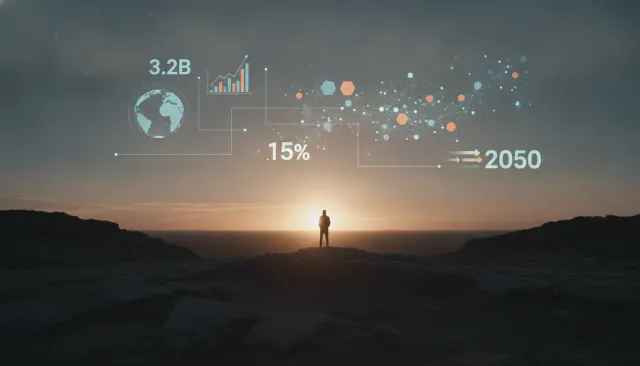 Motion Graphics OverlayInfographic Callouts on Live
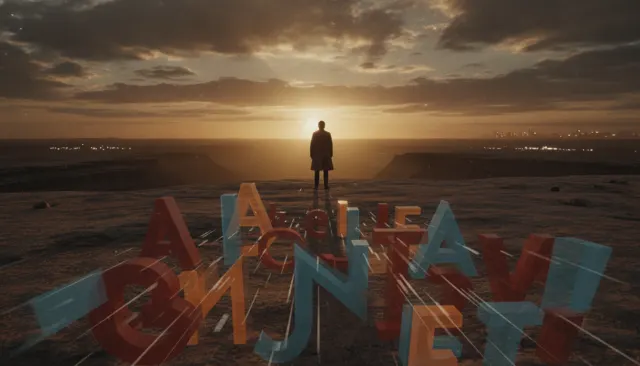 Motion Graphics OverlayKinetic Typography on Talking Head
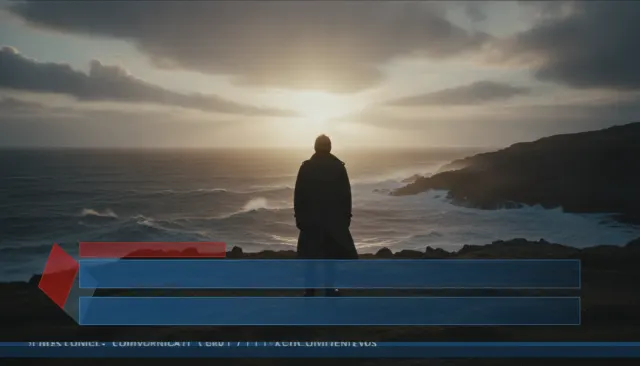 Motion Graphics OverlayLower Third Broadcast Graphics Classic
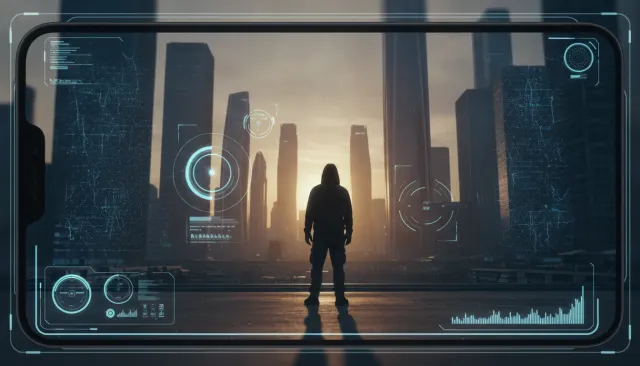 Motion Graphics OverlayAR Augmented Reality Overlay Aesthetic
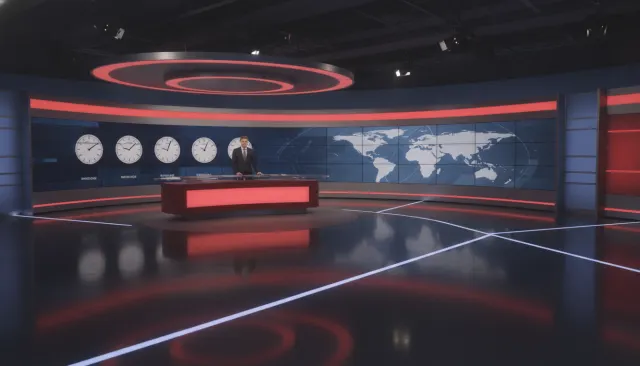 News BroadcastBBC News Modern
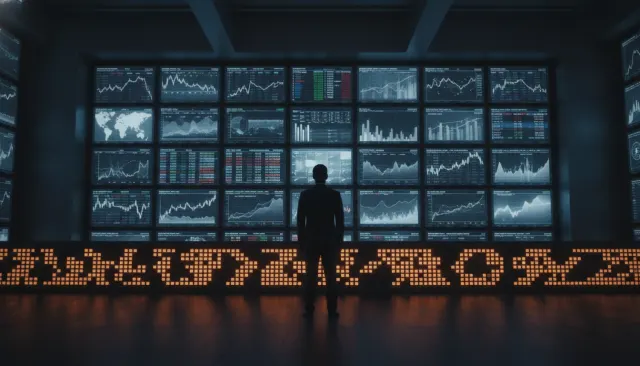 News BroadcastBloomberg Financial Terminal