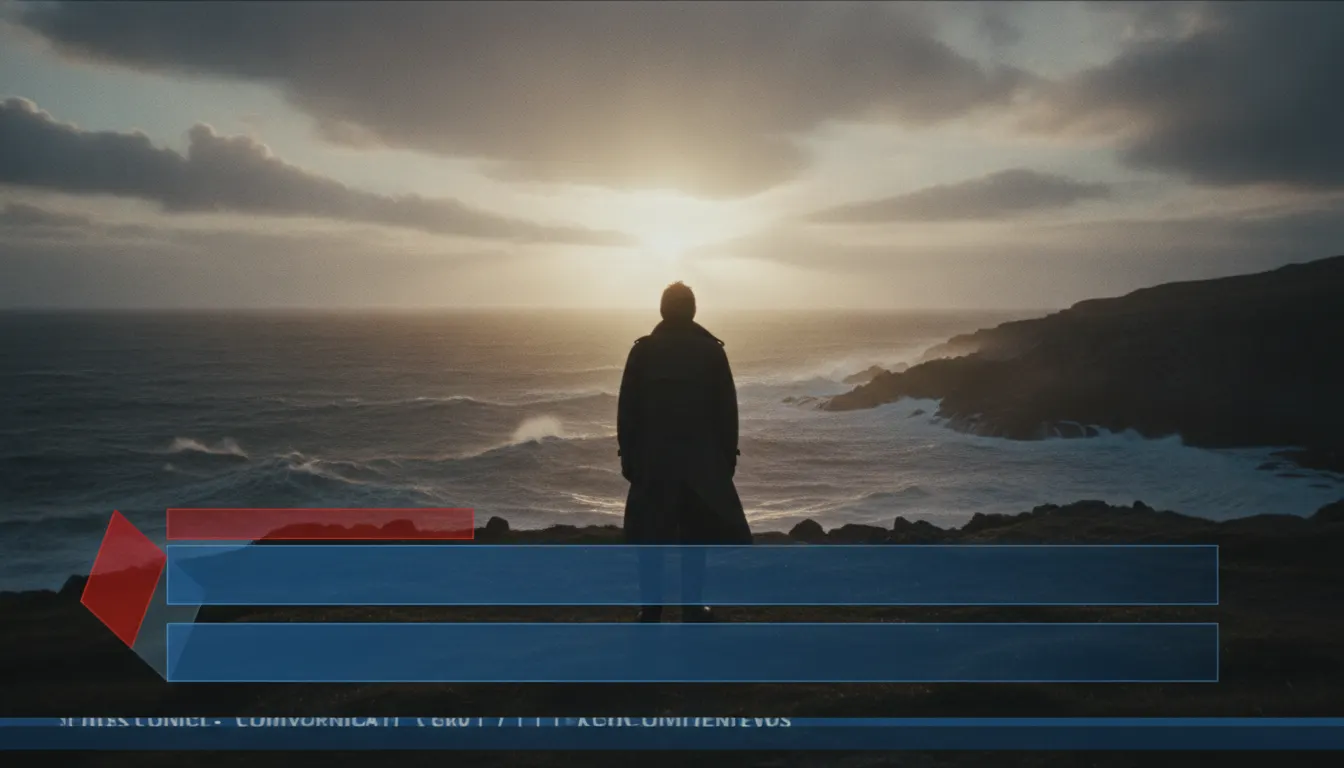
CBS Evening News broadcast graphics (1981+, design direction Lou Dorfsman)
defining modern lower-third
Classic broadcast-news lower-third overlay on live interview footage. CNN-style name and title bar sliding in, network bug, ticker crawl, broadcast-graphics package energy.
The moves a human crew would use to get here. Cue applies them for you, and knowing their names is how you ask for a change.
layered name band: semi-transparent colored band (60-80% opacity) with white text sliding from frame left
line hierarchy: larger name line above smaller title or affiliation line in lighter weight
up at the far end of the lower-third band
consistent directional wipe or slide entering at broadcast-standard timing
horizontal continuous text at screen bottom, typically at 16-18px display height
full-width high-contrast red or yellow bar above the standard lower third
third: reporter in-field nameplate using location line instead of title
coded priority system: different band colors for different story or segment categories
The lower third is the band of graphics occupying the lower portion of a television frame - typically the bottom one-quarter to one-third of screen height - used to identify speakers, add contextual information, and brand programming. 'Chyron' (from Chyron Corporation, the dominant graphics hardware manufacturer from the 1970s) became the generic term for any lower-third nameplate. The lower third is among the most-seen graphic formats in human history: every news broadcast, documentary, and interview program uses them.
CBS Evening News under executive producer Lane Venardos and art director Lou Dorfsman established the design conventions that still govern broadcast lower thirds. From the early 1980s onward, CBS used clean sans-serif typography on dark-blue or black semi-transparent bands, with network logo lock-up and clean color-field hierarchy. The format communicated authority, clarity, and institutional trust - qualities that decades of subsequent broadcast designers have refined rather than replaced.
The Chyron Corporation (founded 1966, New York) provided the hardware and software that executed these designs: dedicated graphics computers that could generate and update lower thirds in real time during live broadcasts. Chyron machines were standard equipment in news operations from the 1970s through the 2000s. Their interface constraints (limited fonts, specific color systems, defined safe-title areas) created the conventions that audience expectations then locked in.
CNN (launched 1980) extended the lower third into a full-screen graphic environment. By the 2000s, CNN's 'situation room' graphics package introduced the multi-layer lower-third: a speaker nameplate, below it a 'developing story' bar, and across the very bottom a ticker scrolling global headlines simultaneously. This stacked graphic environment maximized information density at the cost of visual hierarchy clarity. The CNN 'ticker' became a design discussion flashpoint: critics argued it produced cognitive overload; defenders argued it served multitasking viewers.
Fox News (launched 1996), MSNBC (launched 1996), and Sky News (UK, launched 1989) each developed distinct lower-third graphic languages that became brand signatures.
Final Cut Pro (Apple, 1999), Avid (dominant through the 1990s), and Adobe Premiere Pro democratized broadcast-quality lower-third creation. Built-in lower-third templates - Motion templates in Final Cut, Essential Graphics in Premiere - allowed independent creators to produce news-quality nameplates without dedicated Chyron hardware. This template tradition is visible in YouTube documentary content, independent news video, and branded interview series throughout the 2000s-2020s.
defining modern lower-third
1980
infrastructure defining broadcast graphic conventions
influential European broadcast design
democratizing broadcast lower-third production
A Look is not a filter. It is a set of stored decisions the pipeline reads before it makes a single frame, so two videos in the same Look actually match.
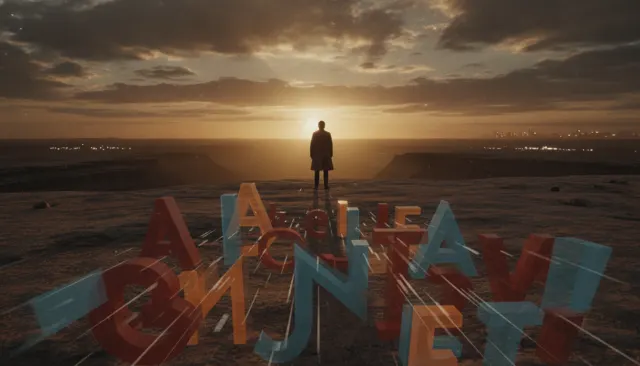 Motion Graphics OverlayKinetic Typography on Talking Head
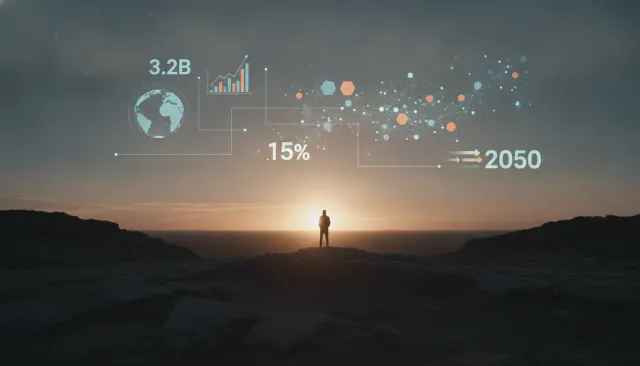 Motion Graphics OverlayInfographic Callouts on Live
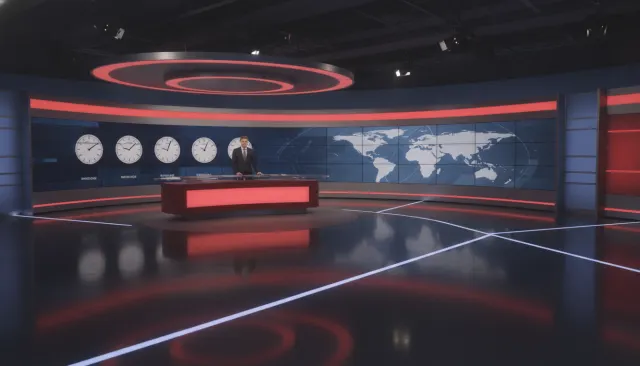 News BroadcastBBC News Modern
 Motion Graphics OverlayMotion Graphic Animated Icons on Video
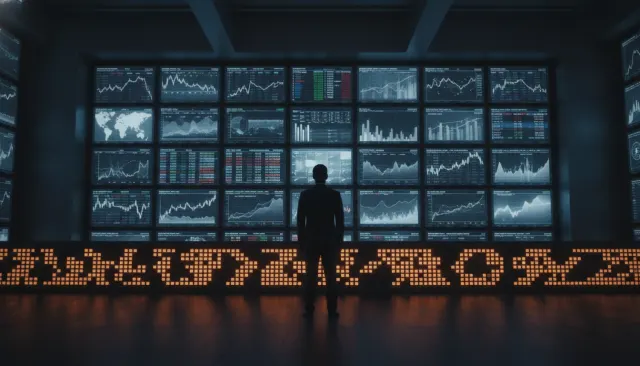 News BroadcastBloomberg Financial Terminal
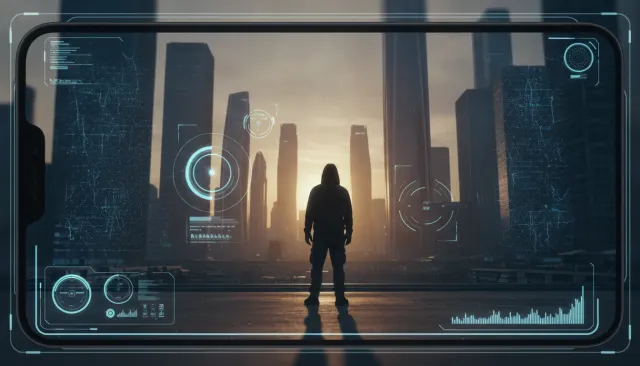 Motion Graphics OverlayAR Augmented Reality Overlay Aesthetic