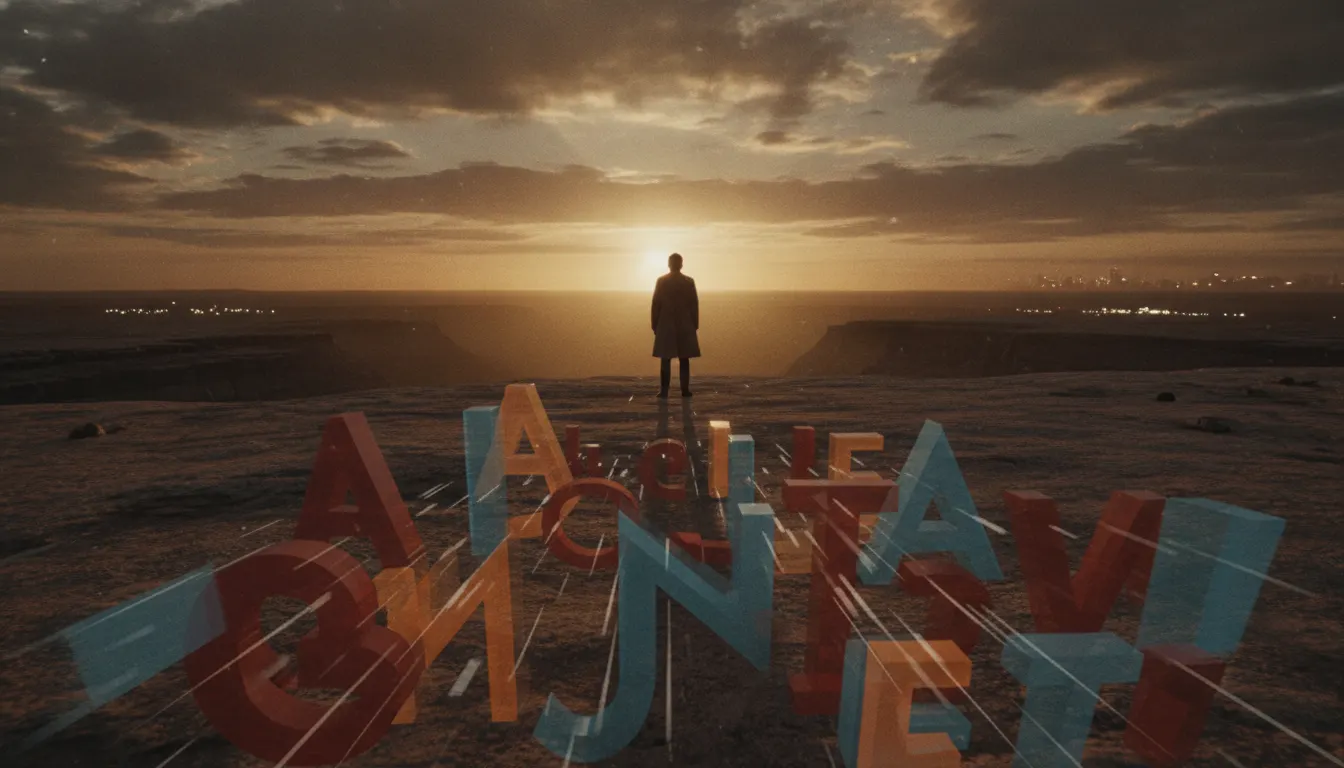
Saul Bass, Vertigo title sequence (dir. Alfred Hitchcock, 1958)
foundational cinematic kinetic typography
Kinetic typography animated in sync with a talking-head interview. Large bold words flying in to emphasize speech beats, Saul Bass title-sequence pacing, podcast-clip Reels aesthetic.
The moves a human crew would use to get here. Cue applies them for you, and knowing their names is how you ask for a change.
by-word reveal: individual words appearing exactly as the speaker says them, matching speech rhythm
key stressed words scaling up or bouncing into frame at vocal intensity peaks
switching from light to bold on a single word to signal emphasis without size change
one or two words per sentence in accent color against body text
words beginning compressed then expanding outward as they land in position
horizontal or vertical wipes clearing one line as the next arrives
style geometric underlay: abstract shapes moving in complement to text as visual rhythm counterpoint
text motion designed to correspond with device vibration patterns
Kinetic typography on talking head places animated text - words and phrases that move, scale, rotate, and appear in synchronization with speech - directly over footage of a person speaking. Rather than using lower-thirds or static captions, kinetic typography treats the speaker's words as visual material: letters arrive on beat, key words slam into frame at emphasis points, phrases dissolve and reform. The text is not caption but performance.
The foundational kinetic typography tradition in cinema begins with Saul Bass (1920-1996). His title sequences for Vertigo (1958, dir. Alfred Hitchcock) used spiraling typography and geometric animation in sync with Bernard Herrmann's score, treating type as emotional atmosphere rather than informational label. North by Northwest (1959) used angled grid lines and sliding credits that established the visual tension of the film's geometry. Anatomy of a Murder (1959) used jazz-synchronized dismembered limb shapes as typographic elements.
Bass's title work established the premise that typography could move expressively in sync with sound and narrative context, not simply crawl neutrally across screen. His influence on contemporary motion graphics is comprehensive: every After Effects title template descends from his formal experiments.
Schoolhouse Rock (ABC, 1973-1984, revived 1993-1999) deployed kinetic typography in educational contexts that reached millions of American children. Segments like Conjunction Junction and I'm Just a Bill animated words in sync with song vocals, making the educational content itself the animated subject. The technique demonstrated that kinetic text could serve memory and learning, not just aesthetic expression. The tradition continues in educational YouTube channels and social media caption animations.
Kyle Cooper's title sequence for Seven (dir. David Fincher, 1995) is the most influential post-Bass kinetic typography work. Cooper created handmade, textural, fractured text animations using actual footage and hand-drawn elements on film, composited to produce a sequence that feels simultaneously printed and moving. The text in Seven's titles is not smooth digital animation but scratched, layered, violently rendered - a formal statement about the film's content. Cooper's company Prologue Films subsequently created title sequences for dozens of major films, establishing kinetic typography as a premium craft.
In modern content creation, kinetic typography on talking head became a standard Instagram and TikTok format after 2018-2020: captions that emphasize keywords in larger type, key phrases that animate in as a speaker says them, and quote animations that pulse and scale with vocal intensity. Tools like Adobe Premiere Pro's Essential Graphics, DaVinci Resolve, and dedicated apps (Captions.ai, CapCut's text animation features) made the technique accessible to all creators.
foundational cinematic kinetic typography
1959
angled grid and sliding credit animation
1959
jazz-synchronized figure and type animation
defining 1990s kinetic title design
educational kinetic typography for American children's television
single-take with layered text
kinetic titles and graphic text
A Look is not a filter. It is a set of stored decisions the pipeline reads before it makes a single frame, so two videos in the same Look actually match.
 Motion Graphics OverlayLyric Video Animated Text on Photo
 Motion Graphics OverlayInfographic Callouts on Live
 Motion Graphics OverlayLower Third Broadcast Graphics Classic
 Motion Graphics OverlayMotion Graphic Animated Icons on Video
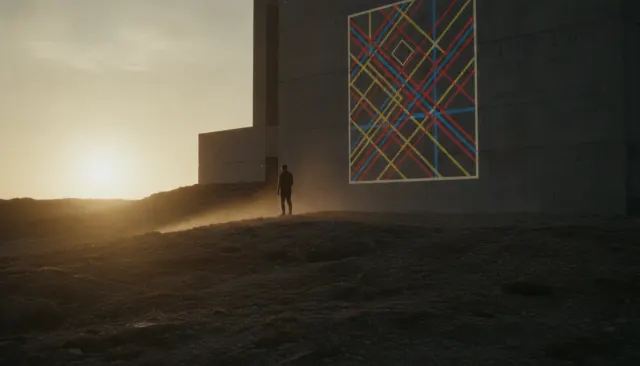 Poster Trad ExtendedBauhaus Typography Experiment
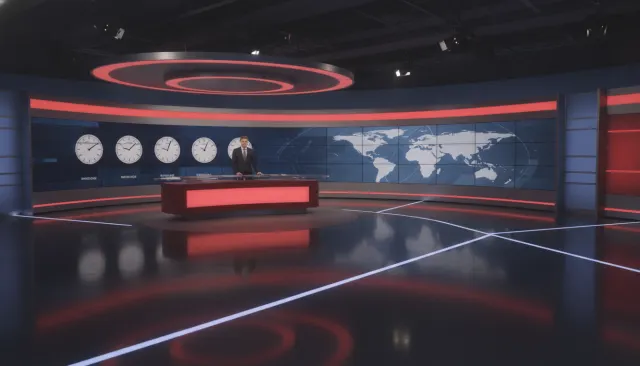 News BroadcastBBC News Modern