Bob Dylan, Subterranean Homesick Blues cue-card sequence (filmed 1965, dir. D.A. Pennebaker)
lyric video prototype
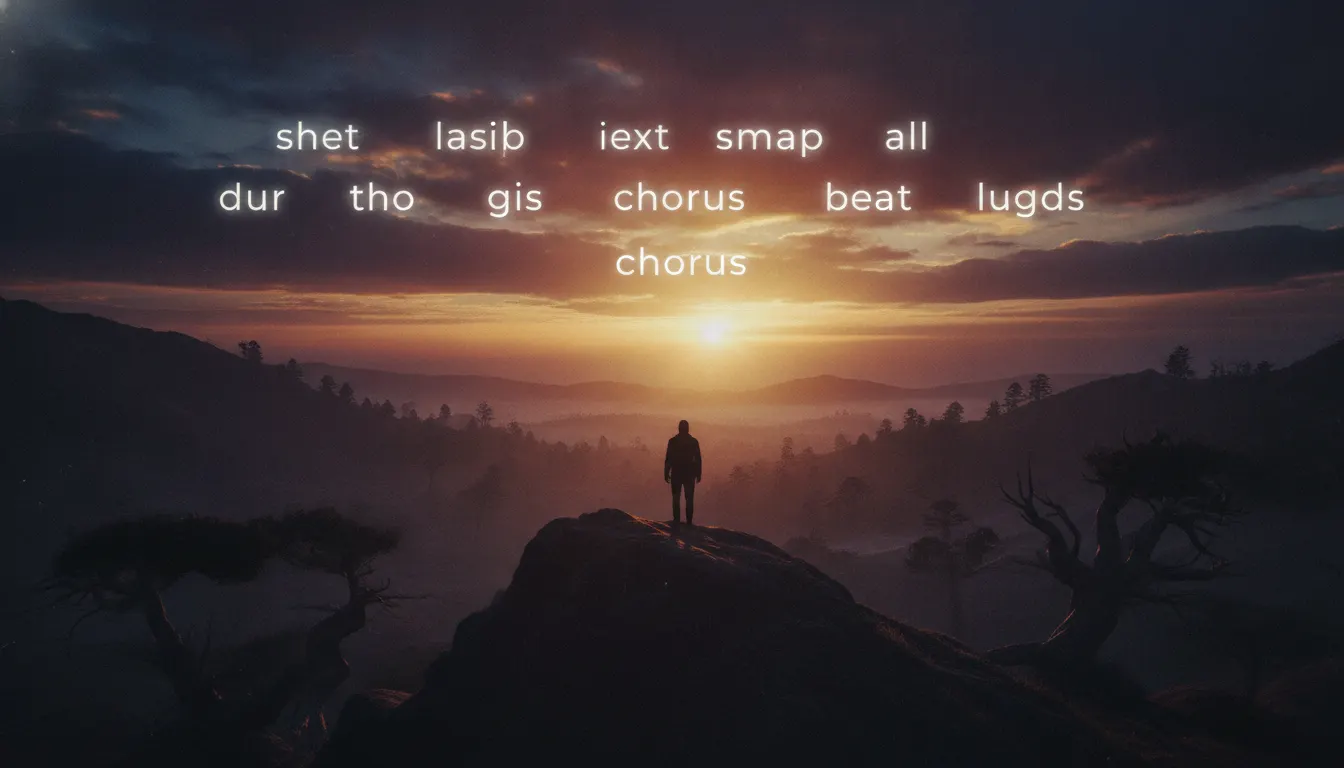
YouTube lyric-video aesthetic. Song lyrics animated in sync with audio over a still photographic background, beat-snap word reveals, music-discovery channel visual style.
The moves a human crew would use to get here. Cue applies them for you, and knowing their names is how you ask for a change.
lyrics appearing frame-accurate to the singer's delivery rather than approximated to beats
key words scaling up at stressed vocal points in the phrase
matching: still or slow-moving photographic backgrounds selected for tonal alignment
by-line progression: each line appearing as the previous fades, creating natural reading rhythm
voice matching: typeface selection reflecting the genre and emotional register of the vocal performance
solid or gradient fields for maximum legibility at small social media frame sizes
card homage: physical or simulated card-hold-and-drop referencing the Dylan 1965 prototype
lyrics appearing on surfaces within footage rather than floating above as overlays
Lyric video animated text on photo places song lyrics on screen - animated to synchronize with the vocal performance - over photographic still images or video footage. The genre ranges from hand-held cue cards (the prototype) through full motion-graphics productions to AI-generated lyric video packages. The lyric video is now a standard music marketing deliverable: when a full music video is not yet available or never planned, the lyric video serves as the official YouTube and streaming visual.
The earliest widely seen prototype of the lyric video is D.A. Pennebaker's filmed sequence for Bob Dylan's Subterranean Homesick Blues (opening sequence from Don't Look Back, 1967, but filmed 1965 in London). Dylan stands in an alley and drops hand-written cue cards showing lyrics and related words as the song plays. The cards are not precisely synchronized - they're held and dropped loosely - but the concept of visual lyrics alongside audio is established. Allen Ginsberg and Bob Neuwirth are visible in the background. This sequence, at approximately 3 minutes, is referenced by virtually every lyric video scholar and creator as the format's origin point.
R.E.M.'s Imitation of Life (2001, dir. Garth Jennings and Nick Goldsmith of Hammer and Tongs) used a single-take overhead wide shot of a crowded backyard party, with text phrases from the lyrics appearing on signs, shirts, and surfaces within the footage and as graphic overlays. The video is both a lyric video and a virtuosic single-take production: zooming into different areas of the party to follow narrative lines from the song. It demonstrates that text-in-environment (rather than text-over-footage) can serve the lyric video function.
Cee Lo Green's Forget You (2010, dir. Mathew Cullen, Motion Theory) was among the first viral lyric videos of the streaming era: officially released as a lyric video (rather than a promotional concept) because full production was still in development. The video used bold kinetic typography over colorful photographic backgrounds and simple illustrated environments. It accumulated tens of millions of views on YouTube before the 'official' music video was released - establishing that a high-quality lyric video could itself be a primary marketing asset.
By 2013-2015, most major labels had formalized lyric video production as a standard release deliverable. The format conventions settled: lyrics in readable typography (often matching the album's design language), animated to sync with vocal delivery, over imagery that complements the song's mood. Tools include After Effects (with plugins like Premiere's Caption panels and dedicated lyric video templates), and increasingly AI tools that auto-sync lyrics to audio.
lyric video prototype
text-in-environment lyric video
defining streaming-era lyric video
2004
early online lyric video with editorial aesthetic
2013
animated figure on looping photographic backdrop
mainstream production value benchmarks
type-forward design matching band visual identity
A Look is not a filter. It is a set of stored decisions the pipeline reads before it makes a single frame, so two videos in the same Look actually match.
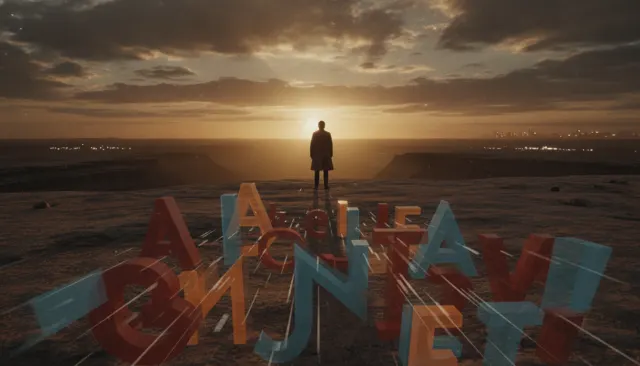 Motion Graphics OverlayKinetic Typography on Talking Head
 Motion Graphics OverlayMotion Graphic Animated Icons on Video
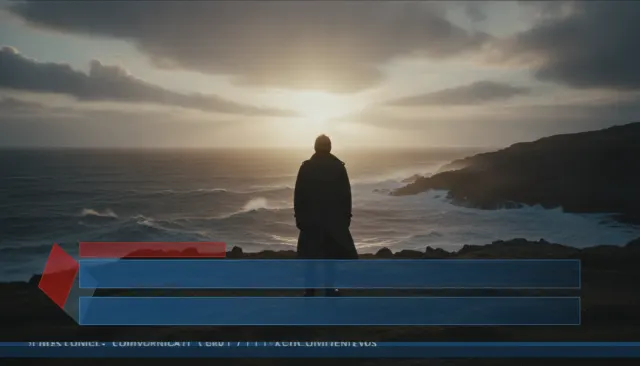 Motion Graphics OverlayLower Third Broadcast Graphics Classic
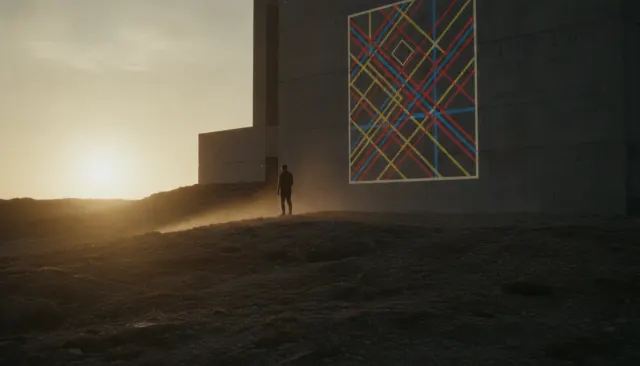 Poster Trad ExtendedBauhaus Typography Experiment
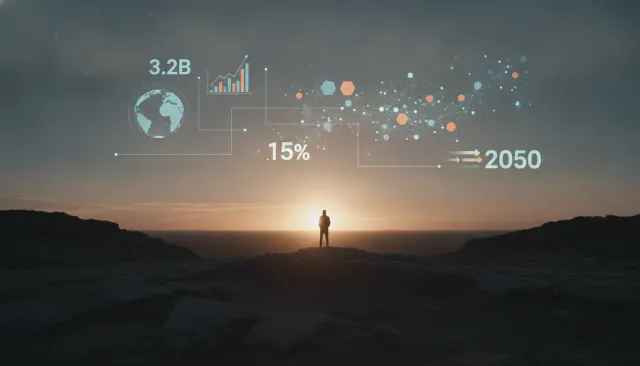 Motion Graphics OverlayInfographic Callouts on Live
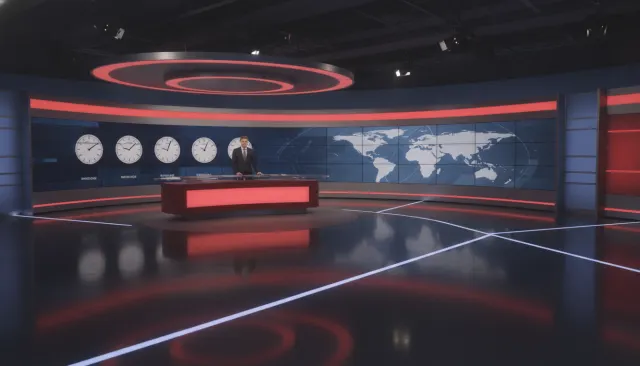 News BroadcastBBC News Modern