FAMILYMIXED MEDIA & HYBRIDSUBFAMILYMOTION GRAPHICS OVERLAYERACONTEMPORARYREGIONINTERNATIONAL

AR Augmented Reality Overlay Aesthetic

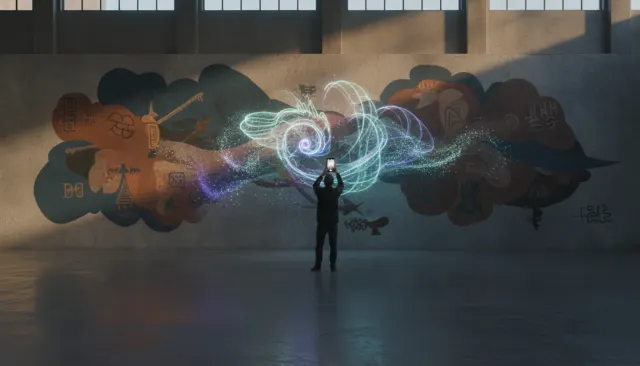
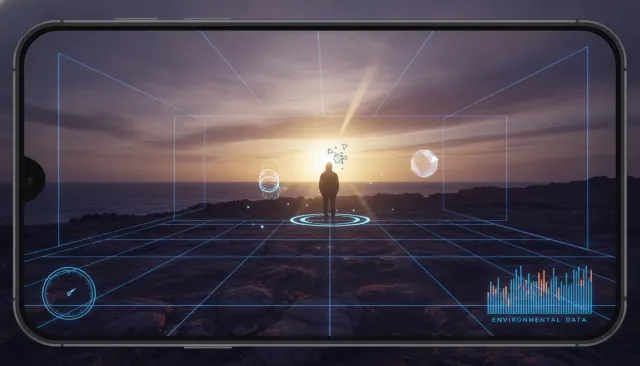
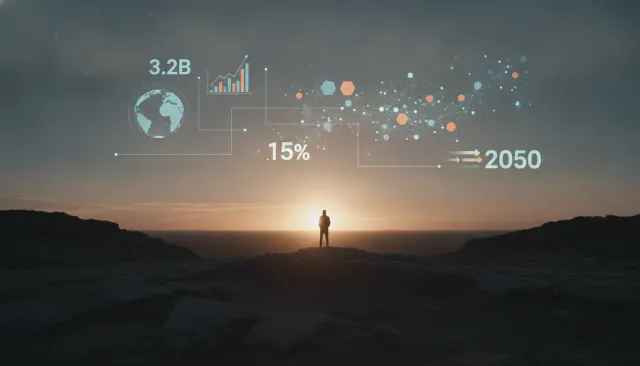
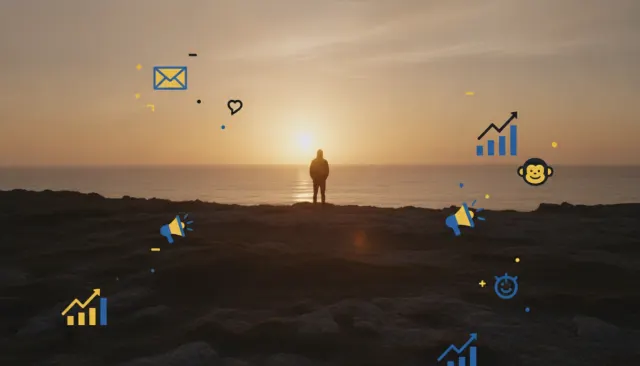
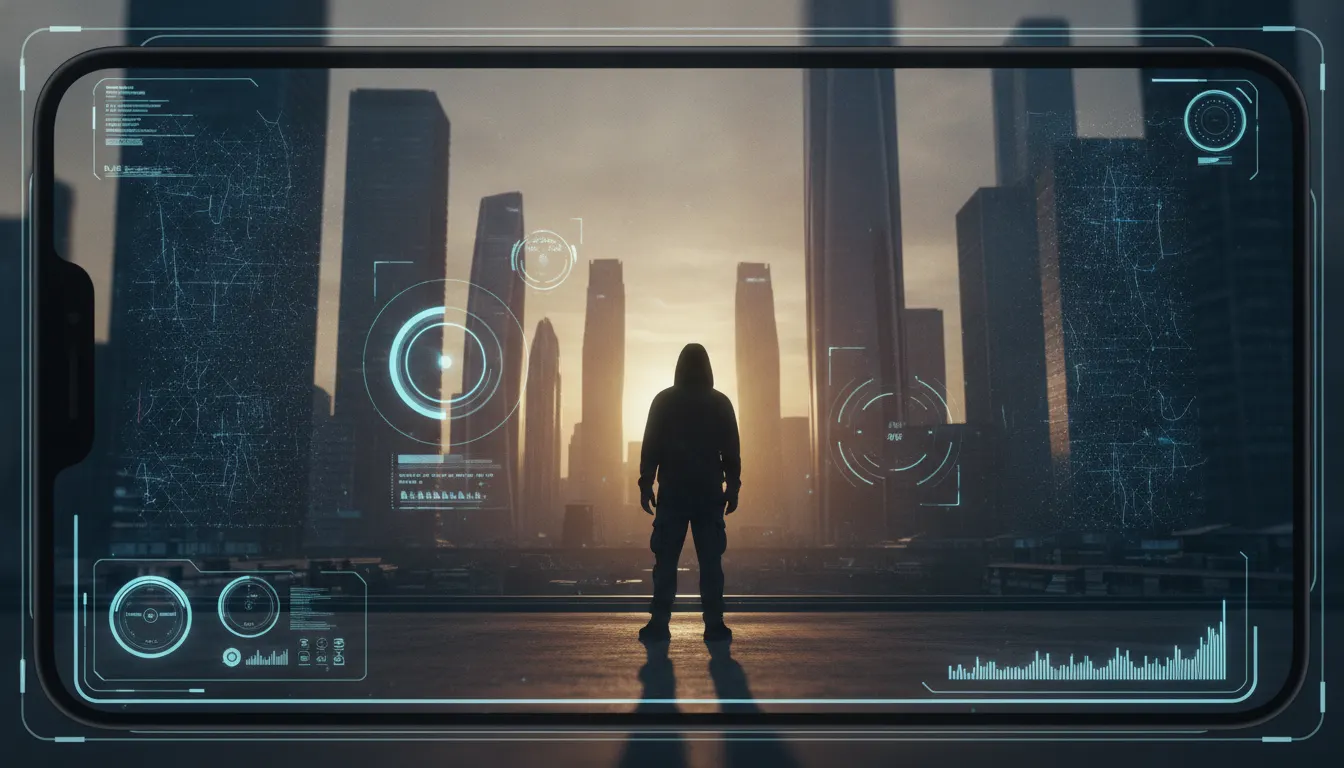
Augmented-reality HUD overlay on live phone-camera footage. Snapchat lens tracking, Apple Vision Pro spatial UI, holographic information panels floating in real space, AR Quick Look energy.

arspatial-uihudfuturistic

Samples

Samples pending

Visual reference frames for this look are being generated.

When to use
  • Tech product reviews and unboxings where on-screen specs feel native to the subject
  • Science and educational content explaining biological, physical, or environmental systems
  • Gaming, esports, and tech channel identity graphics and intros
  • Future-forward brand content for AI, robotics, fintech, or health-tech companies
  • Travel and location content where floating labels add wayfinding context
  • Documentary footage about military, aerospace, or surveillance technology
  • Fitness and sports performance analysis with overlaid live metrics
When not to use
  • Warm lifestyle, food, or family content where cold digital chrome creates tonal mismatch
  • Historical or archival content where anachronistic HUD elements confuse period setting
  • Luxury brand content where clinical aesthetics undercut aspirational warmth
  • Mental health or wellness content where surveillance-style overlays feel invasive
  • Comedy formats where earnest tech-seriousness reads as unintentional parody

Signature techniques

  • 01
    Corner — bracket object framing: thin L-shaped brackets at corners of identified subjects, the universal 'target locked' AR signal
  • 02
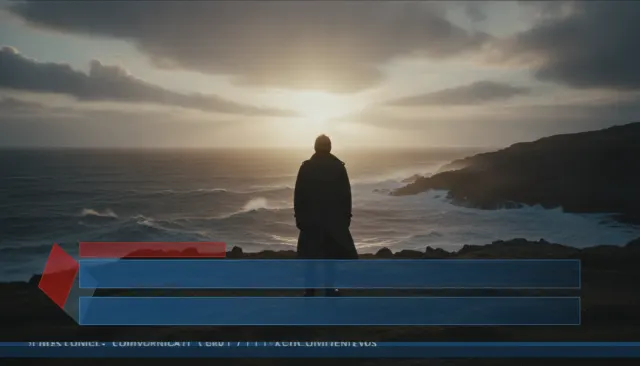
    Floating annotation panels — semi-transparent dark rectangles with thin-weight sans-serif data hovering in apparent 3D space
  • 03
    Animated scan lines sweeping across subjects to signal analysis in progress
  • 04
    Biometric or measurement readouts showing distance, speed, or biological data as live-updating numbers
  • 05
    Color — temperature isolation: HUD elements in cyan or green against warm real-world footage for maximum contrast
  • 06
    Depth — of-field compositing where overlays stay sharp while backgrounds blur to reinforce spatial positioning
  • 07
    Glitch and refresh animations suggesting live data processing rather than static labels
  • 08
    Gaze or cursor trail effects tracing from focal points to annotations, mimicking eye-tracking interfaces

History & context

AR Augmented Reality Overlay Aesthetic

Augmented reality overlay aesthetic treats the camera frame as a heads-up display: floating labels, bounding boxes, scan lines, data readouts, and interface chrome appear to inhabit real-world space alongside physical subjects. It synthesizes two decades of consumer AR product design into a visual language readable even when no AR hardware is present.

Historical Anchors

The HUD (heads-up display) aesthetic in film predates consumer AR - RoboCop (1987) and Terminator (1984) established the iconography of machine vision overlaying text onto the seen world. But consumer AR as mass experience began with Snapchat Lenses (launched 2015), which brought face-tracking filters to hundreds of millions of users. Niantic's Pokémon Go (July 2016) created the first global AR phenomenon: 147 million monthly active users at peak experienced digital creatures overlaid on real streets through their phone cameras.

Apple's ARKit (2017) and Google's ARCore (2017) gave developers standardized frameworks, leading to an explosion of AR commerce, navigation, and entertainment applications. Meta's Ray-Ban smart glasses (2023) and Apple Vision Pro (launched February 2024) pushed the aesthetic into wearable, always-on territory. Vision Pro's visionOS interface - floating panels, spatial audio cues, gaze-activated controls - is the current apex of the design language.

Visual Vocabulary

The aesthetic borrows from military HUD design, science fiction UI (the 'Minority Report' interfaces designed by Jony Yip and John Underkoffler in 2002), and industrial scanning interfaces. Characteristic elements: thin sans-serif annotations on dark semi-transparent panels; corner-bracket framing of objects; animated scan lines crossing identified targets; distance and measurement readouts; biometric data streams. Color is typically monochromatic within a scene - cyan, green, or amber on dark fields - to suggest single-source digital emission.

In Video Production

Creators apply the aesthetic without live AR hardware using motion-tracked graphic overlays in After Effects, DaVinci Resolve Fusion, or HitFilm. The most effective executions pre-compose labels that realistically track moving subjects, creating the illusion that real-world objects are being analyzed by an intelligent system. Poorly executed versions float untracked text over footage, immediately breaking the illusion.

When to Use

  • Tech product reviews and unboxings where on-screen specs feel native to subject matter
  • Science and educational content explaining biological, physical, or environmental systems
  • Gaming, esports, and tech channel identity graphics
  • Future-forward brand content for AI, robotics, fintech, or health-tech companies
  • Travel and location content where floating information adds wayfinding context
  • Documentary footage about military, aerospace, or surveillance technology
  • Fitness and sports performance analysis with overlay metrics

When Not to Use

  • Warm lifestyle, food, or family content where cold digital chrome creates tonal mismatch
  • Historical or archival content where anachronistic HUD elements confuse period
  • Luxury brand content where the clinical aesthetic undercuts aspirational warmth
  • Mental health, wellness, or therapeutic content where surveillance aesthetics feel invasive
  • Comedy formats where the earnest tech-seriousness reads as parody unless intended

Signature Techniques

  • Corner-bracket object framing: thin L-shaped brackets at corners of identified subjects, the universal AR 'target locked' signal
  • Floating annotation panels: semi-transparent dark rectangles with thin-weight sans-serif data, appearing to hover in 3D space
  • Animated scan lines: horizontal sweeps crossing subjects to signal 'analysis in progress'
  • Biometric or measurement readouts: distance, speed, temperature, or biological data displayed as live-updating numbers
  • Gaze or cursor trail effects: faint line tracing from a focal point to an annotation, mimicking eye-tracking interfaces
  • Depth-of-field compositing: overlays that are sharp while backgrounds blur, reinforcing spatial positioning
  • Color-temperature isolation: HUD elements in a single cool hue (cyan, green) against warm real-world footage for maximum contrast
  • Glitch and refresh animations: periodic flicker or redraw animations suggesting live data processing

Notable Works

  • Pokémon Go (Niantic, July 2016) - first global mass-market AR experience, peak 147M monthly users
  • Snapchat Lenses (2015+) - face-tracking AR filters introducing the aesthetic to mainstream social audiences
  • Apple Vision Pro and visionOS interface design (launched February 2024)
  • Terminator (dir. James Cameron, 1984) - T-800 machine-vision HUD establishing foundational iconography
  • Minority Report UI design (John Underkoffler / Oblong Industries, 2002) - gestural floating-panel science-fiction reference
  • Google Glass Explorer Edition (2013-2015) - first mainstream consumer AR hardware attempt
  • Apple ARKit developer platform (2017) - standardizing mobile AR production
  • Iron Man HUD sequences (Marvel Studios, 2008-2019) - highest-budget cinematic AR aesthetic execution

Related Look Slugs

  • ar-overlay-on-physical-art
  • ar-aesthetic-overlay-digital
  • infographic-callouts-on-live
  • motion-graphic-animated-icons-on-video
  • lower-third-broadcast-graphics-classic
  • cyberpunk-2077-neon-night-city

Notable works

Pokémon Go (Niantic, July 2016)

first global mass-market AR experience at 147M monthly active users

Snapchat Lenses (2015+)

face-tracking AR filters bringing the aesthetic to mainstream social audiences

Apple Vision Pro and visionOS spatial interface (launched February 2024)

Terminator (dir. James Cameron, 1984)

T-800 machine-vision HUD establishing foundational visual iconography

Minority Report (dir. Steven Spielberg, 2002)

gestural floating-panel UI designed by John Underkoffler

Google Glass Explorer Edition (2013-2015)

first mainstream consumer AR hardware

Iron Man HUD sequences (Marvel Studios, 2008-2019)

highest-budget cinematic AR aesthetic

Apple ARKit developer platform

(2017)

standardizing mobile AR visual vocabulary

Aesthetic recipe

The exact knobs the renderer turns to produce this look.

Palette
Primary
#1FA8C9
Secondary
#1A1A1A
Accent
#F5C2C7
Text/Light
#08202A
Text/Dark
#EAFBFF
BG 900
#08141A
BG 800
#0F1F2E
Typography
Display
Space Grotesk
Body
Inter
Mono
JetBrains Mono
Music moods
ambient-synth-padfuturistic-ui-pulse
Transition

soft cuts at 220ms, ease-in-out

Ken Burns

Static frames

Grade LUT

ar-hud-spatial

Generate a video in the AR Augmented Reality Overlay Aesthetic look

Augmented-reality HUD overlay on live phone-camera footage. Snapchat lens tracking, Apple Vision Pro spatial UI, holographic information panels floating in real space, AR Quick Look energy.