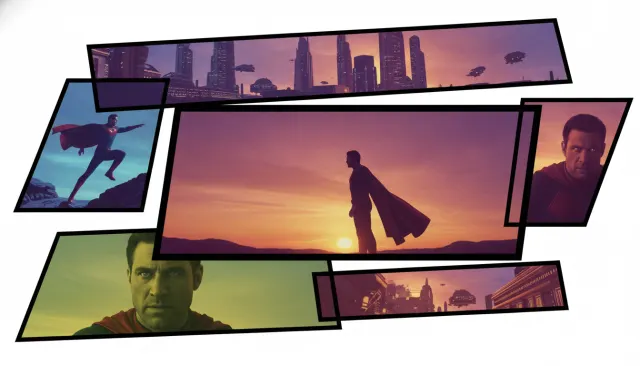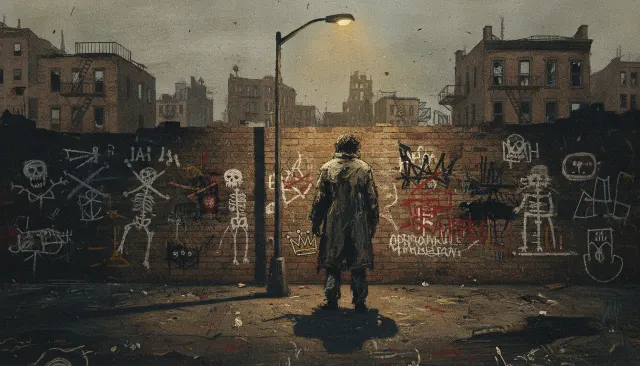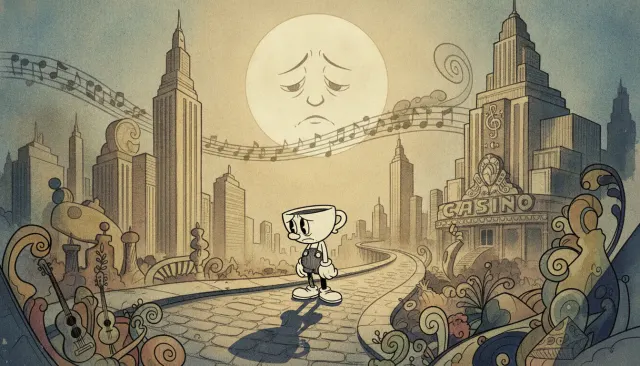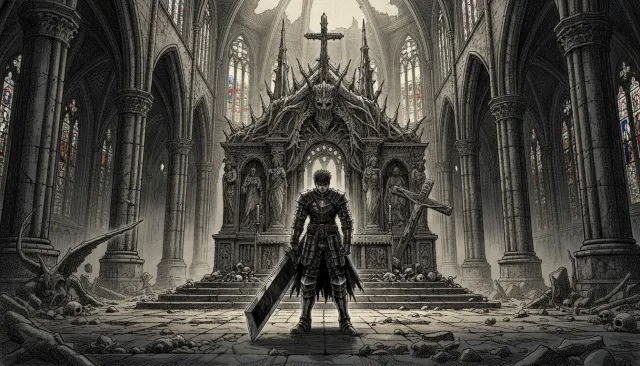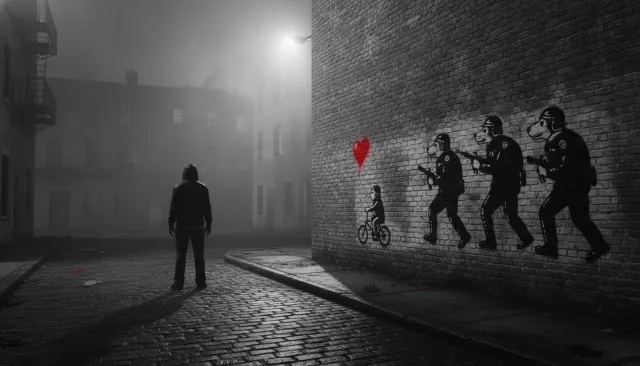
FAMILYMIXED MEDIA & HYBRIDSUBFAMILYPRINT PROCESS HYBRIDERA1960SREGIONUSA

Halftone Comic Print Overlay on Photo

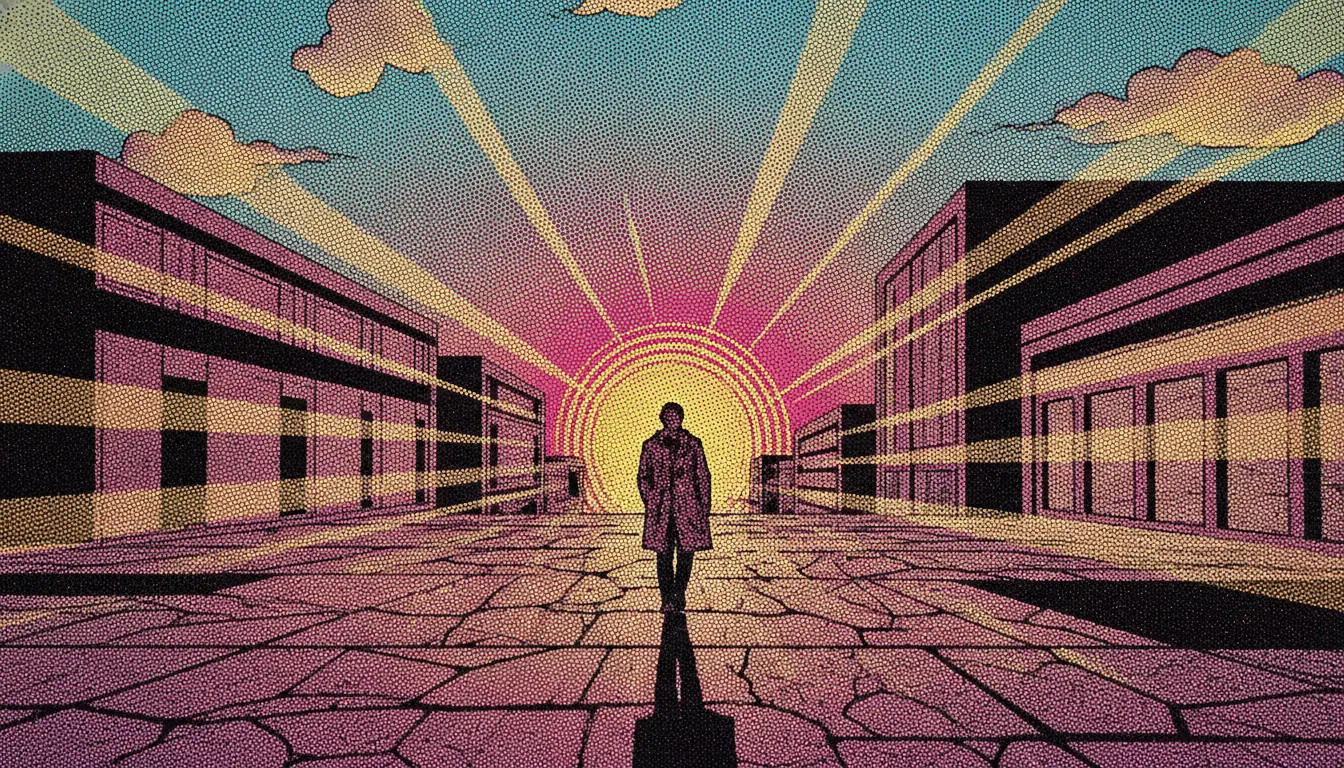
Lichtenstein-style halftone comic-print overlay on photographic base. Ben-Day dot pattern enlarged across the image, primary-color register offset, pop-art photo treatment.

halftonepop-artben-daycomic-print

Samples

Samples pending

Visual reference frames for this look are being generated.

When to use
  • Comic book, graphic novel, or superhero adaptation content
  • Pop Art or retro-American culture themed content referencing 1960s graphic design
  • Music videos in punk, alt-rock, or hip-hop where high-contrast graphic energy is appropriate
  • Brand content for comics publishers, gaming companies, or nostalgia-positioned entertainment
  • Action sequences or sports highlight reels requiring kinetic graphic amplification
  • Short-form social video where instant graphic punch is the goal
  • Title sequences and channel art for genre entertainment
When not to use
  • Documentary or journalistic content where photographic veracity is essential
  • Luxury or premium content where cheap-print aesthetic signals low production value
  • Sensitive subject matter including grief, trauma, or health where comic flattening trivializes
  • Naturalistic or landscape content where the graphic overlay destroys environmental immersion
  • Children's content aimed at audiences unfamiliar with Pop Art printing conventions

Signature techniques

  • 01
    Ben โ€” Day dot overlay: uniform same-size dots in CMYK primaries applied over photographic mid-tones
  • 02
    Bold black line contour โ€” 2-6px thick outlines added to photograph edges and shadows, flattening volumetric depth
  • 03
    Speed lines and impact stars โ€” radial motion lines and starburst graphics added at action moments
  • 04
    Color field flattening โ€” photographic color areas simplified to flat primary or secondary color zones
  • 05
    Misregistration simulation โ€” deliberate slight offset of one color layer to reproduce cheap printing halation
  • 06
    Thought and speech bubbles with comic typography (Comicraft, Blambot fonts) overlaid on subjects
  • 07
    Panel cropping with visible panel borders placing photographic content inside comic page geometry
  • 08
    Four โ€” color CMYK separation: visible C, M, Y, K dot layers composited with deliberate looseness

History & context

Halftone Comic Print Overlay on Photo

Halftone comic print overlay applies the visual language of offset and letterpress comic book printing - dot screens, Ben-Day dots, bold black outlines, flat color fields, speed lines - over photographic imagery. The effect collapses the distinction between documentary photograph and printed graphic narrative, treating the real world as if it were already a drawn fiction.

The Printing Process Origin

Halftone printing converts continuous-tone photographs or paintings into printable dot patterns: fine dots for light areas, large overlapping dots for dark areas. Offset lithography and letterpress printing both rely on this conversion, and commercial comic books from the 1930s through the 1990s used crude halftone screens (lower line-per-inch resolution than fine art printing) that left the dot pattern visible to the naked eye. The cyan, magenta, yellow, and black halftone screens were often slightly misregistered, producing characteristic color halos and muddy shadow areas that became associated with the medium's authenticity.

Ben-Day dots - named after illustrator Benjamin Henry Day Jr. - are a related process: mechanically applied solid dots of uniform size, primarily associated with the primary-color flat-field printing of cheap newsprint comics and newspaper Sunday pages from the 1950s-60s.

Lichtenstein and Pop Art

Roy Lichtenstein (1923-1997) elevated the halftone dot and comic panel to fine art status: works like Drowning Girl (1963, MoMA), Whaam! (1963, Tate Modern), and In the Car (1963) manually reproduced Ben-Day dot patterns at painting scale, using hand-drawn dots that mimicked the mechanical printing process. Lichtenstein sourced imagery from DC war comics and romance comics, cropping and modifying panels to create iconic images. His practice was controversial - appropriation critics noted he rarely credited source artists (Russ Heath, Tony Abruzzo, and others) - but his influence on how we see and use the comic-print aesthetic is undeniable.

Frank Miller's Sin City

The 2005 film Sin City (dir. Robert Rodriguez and Frank Miller) translates Miller's original high-contrast black-and-white comic series (1991-2000, Dark Horse Comics) to screen through a hybrid live-action and digital process: actors performed against green screen, then Rodriguez composited them into near-photographic monochrome environments with selective single-color accents (a red dress, yellow eyes). The result is the closest any major film has come to placing photographic subjects inside a printed comic book page.

When to Use

  • Comic book, graphic novel, or superhero adaptation content
  • Pop Art or retro-American culture themed content
  • Music videos in punk, alt-rock, or hip-hop where high-contrast graphic energy is appropriate
  • Brand content for comics publishers, gaming companies, or nostalgia-positioned entertainment
  • Action sequences or sports highlight reels requiring kinetic graphic amplification
  • Short-form social video where instant graphic punch is the goal
  • Title sequences and channel art for genre entertainment

When Not to Use

  • Documentary or journalistic content where photographic veracity matters
  • Luxury or premium content where the cheap-print aesthetic signals low cost
  • Sensitive subject matter (grief, trauma, health) where comic flattening trivializes
  • Children's content aimed at young audiences unfamiliar with Pop Art convention
  • Naturalistic or landscape content where the graphic overlay breaks environmental immersion

Signature Techniques

  • Ben-Day dot overlay: uniform same-size dots in CMYK primaries applied over photographic mid-tones
  • Bold black line contour: 2-6px thick black outlines added to photograph edges and shadows, flattening volumetric space
  • Speed lines and impact stars: radial motion lines and starburst impact graphics added to action moments
  • Color field flattening: photographic color areas simplified to flat primary or secondary color zones
  • Misregistration simulation: deliberate slight offset of one color layer to reproduce cheap printing halation
  • Thought and speech bubbles: comic typography (Comicraft, Blambot fonts) overlaid on photographic subjects
  • Panel cropping: tight geometric cropping with visible panel border to place photographic content in comic page context
  • Four-color CMYK isolation: separating the image into visible C, M, Y, K dot layers then compositing loosely

Notable Works

  • Roy Lichtenstein, Drowning Girl (1963, MoMA) - definitive Ben-Day dot fine art
  • Roy Lichtenstein, Whaam! (1963, Tate Modern) - comic panel at painting scale
  • Sin City (dir. Robert Rodriguez and Frank Miller, 2005) - live-action comic print aesthetics on film
  • Frank Miller, Sin City comic series (Dark Horse, 1991-2000) - source material for the look
  • Andy Warhol, newspaper photographic silkscreen works (1962+) - related high-contrast photo flattening
  • Jack Kirby, Fourth World comics (DC, 1970-1973) - Kirby Krackle energy dot patterns
  • Chester Brown and Chris Ware, contemporary comics with printing-process-aware aesthetics
  • Marvel Comics Silver Age printing (1961-1970) - canonical dot-screen color printing artifacts

Related Look Slugs

  • ang-lee-hulk-comic-panel-overlay
  • basquiat-graffiti-neo-expressionism
  • cuphead-1930s-rubber-hose
  • berserk-dark-fantasy-ink-detail
  • banksy-stencil-street
  • motion-graphic-animated-icons-on-video

Notable works

Roy Lichtenstein, Drowning Girl (1963, MoMA)

definitive Ben-Day dot fine art

Roy Lichtenstein, Whaam! (1963, Tate Modern)

comic panel at painting scale

Sin City (dir. Robert Rodriguez and Frank Miller, 2005)

live-action comic print hybrid

Frank Miller, Sin City comic series (Dark Horse, 1991-2000)

source visual material

Andy Warhol, newspaper photographic silkscreen works (1962+)

related photo flattening

Jack Kirby, Fourth World comics and Kirby Krackle energy-dot patterns (DC, 1970-1973)

Marvel Comics Silver Age printing artifacts (1961-1970)

canonical dot-screen color reference

Chester Brown and Chris Ware, printing-process-aware contemporary comics aesthetics

Aesthetic recipe

The exact knobs the renderer turns to produce this look.

Palette
Primary
#E83C2E
Secondary
#1FA8C9
Accent
#FFE01A
Text/Light
#1A0808
Text/Dark
#FFF5DA
BG 900
#0F0808
BG 800
#1A1010
Typography
Display
Bungee
Body
Inter
Mono
JetBrains Mono
Music moods
60s-pop-rocksurf-twang
Transition

hard cuts at 140ms, linear

Ken Burns

Slow push (0.025, center)

Grade LUT

halftone-pop-art-print

Generate a video in the Halftone Comic Print Overlay on Photo look

Lichtenstein-style halftone comic-print overlay on photographic base. Ben-Day dot pattern enlarged across the image, primary-color register offset, pop-art photo treatment.