Richard Linklater (dir.)
*Waking Life* (2001, Thousand Words/Fox Searchlight, Bob Sabiston Rotoshop)
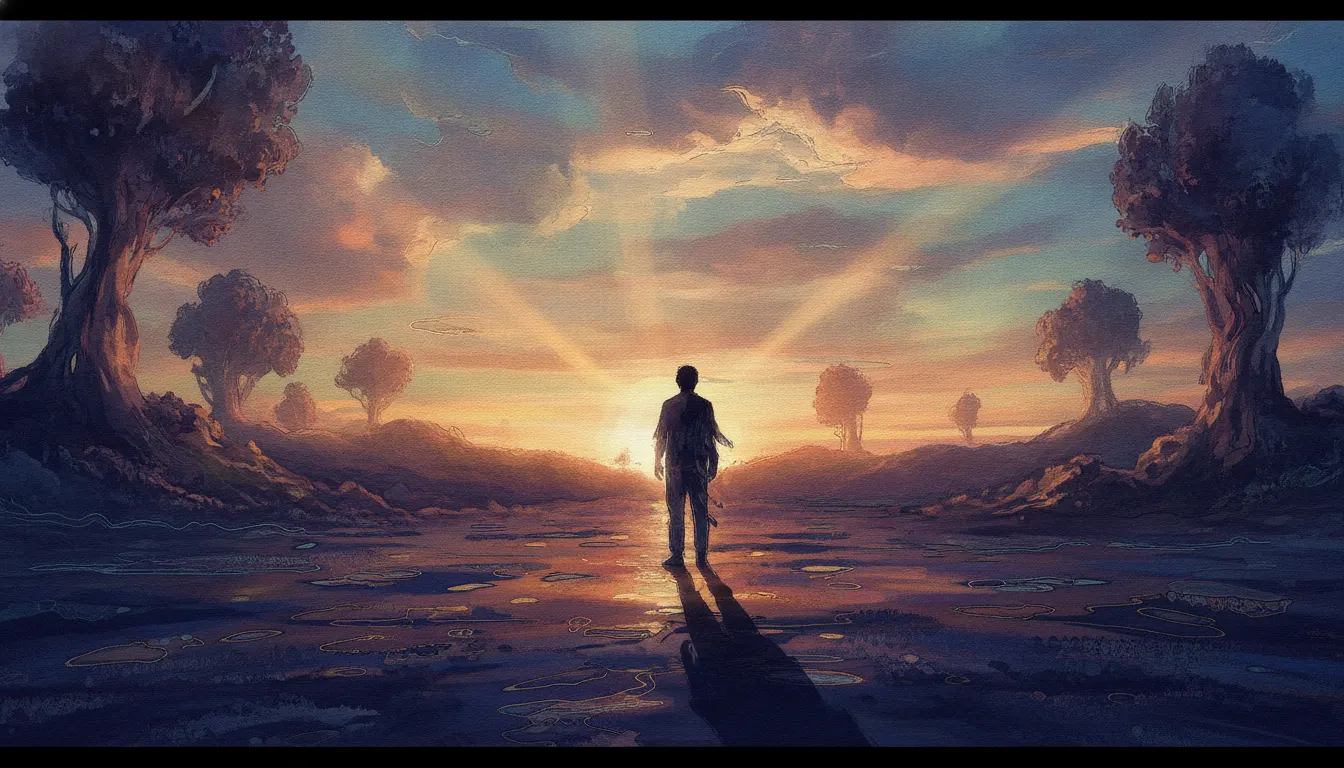
Richard Linklater Waking Life rotoscope. Painterly brushstrokes tracked over live-action footage, wobbling outlines, dream-logic color drift, philosophical drift.
The moves a human crew would use to get here. Cue applies them for you, and knowing their names is how you ask for a change.
by-frame painted overtracing of live-action footage preserving underlying movement
different sections painted in different styles, color palettes, and brushwork
environment colors and shapes subtly shifting between frames
outlines fluctuating in weight and position, never locked to a static cartoon contour
visible stroke direction, wet-in-wet mixing, transparent layers
painted frames creating organic transitions
Rotoscoping is the animation technique of tracing live-action footage frame by frame to produce animation that moves with photographic naturalism while looking hand-drawn. The Waking Life painterly hybrid is a specific, elevated version of this technique: each artist in Richard Linklater's production painted in their own style over the live-action footage, producing a film where the visual surface constantly shifts between individual artistic voices while the underlying movement is always documentary-precise.
Max Fleischer patented the rotoscope device in 1917, using it to animate Out of the Inkwell (1919–1929) with his brother Dave. The technique allowed Koko the Clown to move with organic human weight impossible to achieve by drawing from imagination. Disney refined rotoscoping for Snow White (1937), tracing dancer Marjorie Belcher's movements for the Princess character.
The definitive modern development was Bob Sabiston's Rotoshop software, created at MIT Media Lab in the mid-1990s. Sabiston's software allowed digital painting over video frames with automatic interpolation between key-painted frames – so an animator could paint every fifth frame and the software would morph between them, creating smooth painterly transitions. Sabiston first applied Rotoshop to his short films Roadhead (1994) and Snack and Drink (1999), which screened at Sundance and caught Richard Linklater's attention.
Linklater shot Waking Life on digital video with a small crew, then hired 30 individual animators to paint over the footage in Rotoshop, each using a distinct palette and brushwork style for their section. Tommy Pallotta and Jennifer Phang coordinated the visual pipeline. The result is a film where the animation acknowledges its own instability: backgrounds shift and breathe, colours modulate between frames in ways that would be distracting in conventional animation but in Waking Life express the film's subject – the uncertainty of dream-state perception.
Linklater returned to Rotoshop for A Scanner Darkly (2006), adapting Philip K. Dick's novel about drug-induced identity dissolution. Here the animation was more controlled, less expressive, fitting the paranoid precision of Dick's source material. Keanu Reeves, Winona Ryder, and Robert Downey Jr. perform under a consistent visual style rather than Waking Life's multi-artist patchwork.
Ari Folman's Waltz with Bashir (2008, Noa Film/Bridgit Folman Film Gang) applied animated documentary techniques to the 1982 Sabra and Shatila massacre, using rotoscoped animation to reconstruct traumatic events that could not be filmed. The film won the Golden Globe for Best Foreign Language Film (2009) and was nominated for the Academy Award. Waltz with Bashir demonstrated that the painterly rotoscope hybrid could carry serious historical documentary work – not just the philosophical rumination of Waking Life – extending the technique's range into witness testimony and war documentation. Subsequent animated documentaries including Folman's own The Congress (2013) and other works in this form owe their existence to the precedent established by Linklater and Sabiston.
*Waking Life* (2001, Thousand Words/Fox Searchlight, Bob Sabiston Rotoshop)
*A Scanner Darkly* (2006, Warner Independent, Philip K. Dick adaptation)
*Snack and Drink* (1999, Sundance selection, Rotoshop prototype)
*Roadhead* (1994, MIT Media Lab, first Rotoshop film)
*Out of the Inkwell* series (1919–1929, rotoscope patent 1917)
*The Lord of the Rings* (1978, extensive live-action rotoscope tracing)
*Take On Me* music video (Steve Barron dir., 1985, pencil-sketch rotoscope style)
A Look is not a filter. It is a set of stored decisions the pipeline reads before it makes a single frame, so two videos in the same Look actually match.
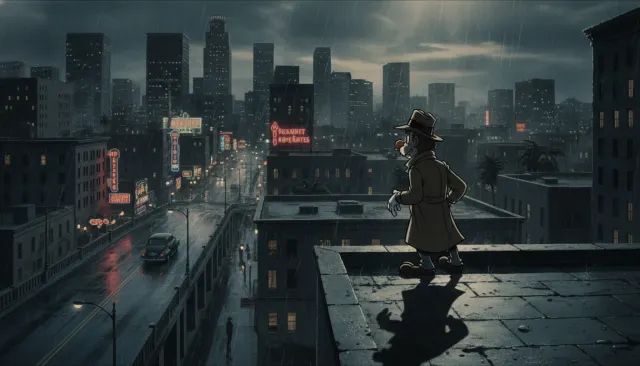 Live Animation HybridWho Framed Roger Rabbit Cel on Live
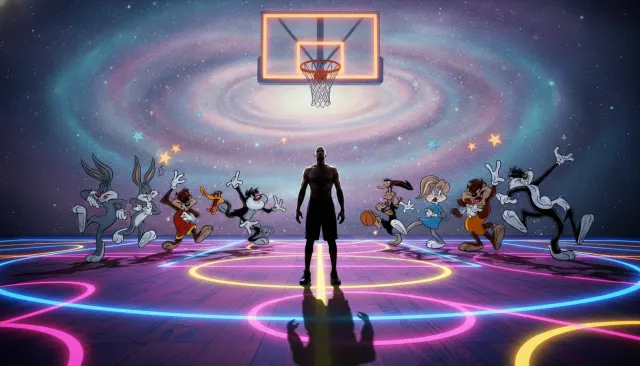 Live Animation HybridSpace Jam Cel on Court Mix
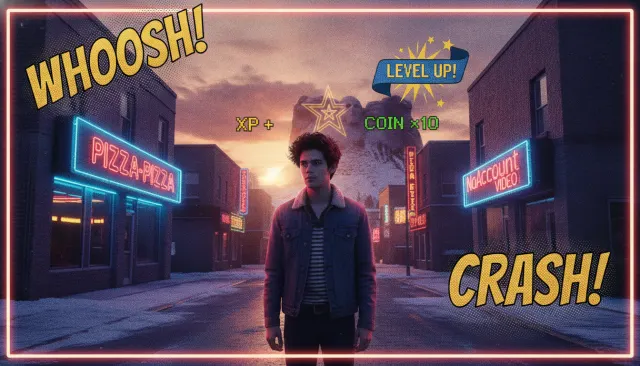 Live Animation HybridScott Pilgrim Comic Effect Live
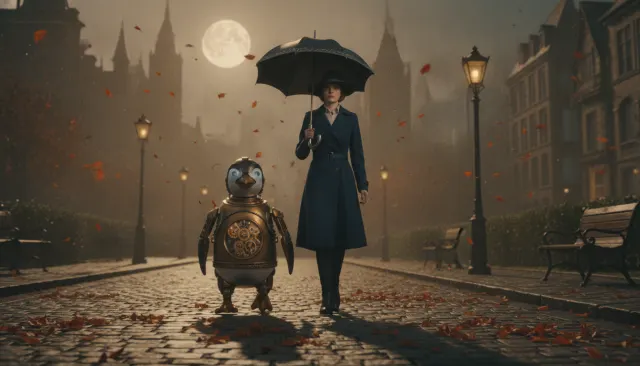 Mixed Media Stop MotionLive Action Stop Motion Hybrid
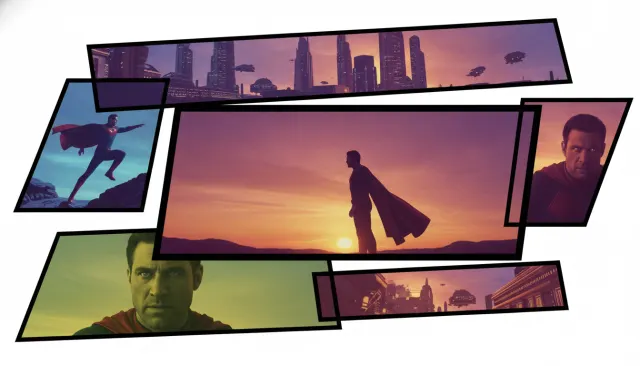 Live Animation HybridAng Lee Hulk Comic Panel Overlay
 Indie 3D ExpansionMitchells vs Machines Comic 3D