One Piece manga (1997+)
Eiichiro Oda, Weekly Shonen Jump, 530M+ copies
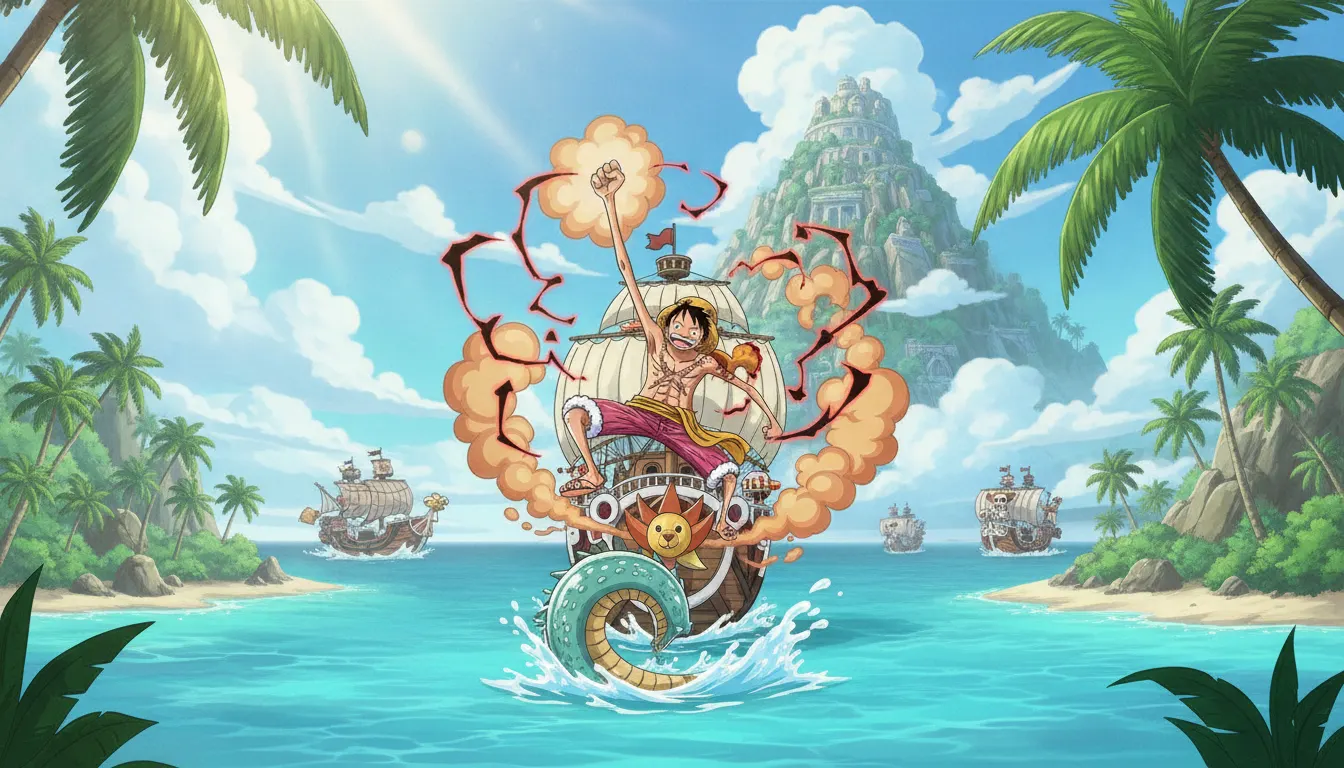
Toei Animation One Piece register. Bright tropical palette, exaggerated rubbery character poses, pirate ship backdrops, devil-fruit power flourishes.
The moves a human crew would use to get here. Cue applies them for you, and knowing their names is how you ask for a change.
power effects rendered with unique visual grammar per ability -- rubber elongation, ice crystallization, magma flow
faces stretched, noses exaggerated, builds taken to absurdist logical extremes
each major location has a unique color palette, architectural style, and ambient design language
steam venting, color shifts, and body proportion changes for power-up sequences
e overlay: woodblock print-derived flat color shapes and line patterns composited over action sequences
during-battles staging: emotional vulnerability expressed mid-combat through visible tears, normalized as heroic rather than weak
new island locations revealed in sweeping wide shots establishing scale and visual world
Eiichiro Oda's One Piece began serialization in Weekly Shonen Jump (Shueisha) in July 1997 and continues to this day, making it the longest-running serialized manga in the magazine's history. The anime adaptation by Toei Animation began airing on Fuji TV in October 1999 and has run continuously, producing over 1,100 episodes. With over 530 million manga volumes sold as of 2024, One Piece is the best-selling manga series in history and the highest-selling comic book series by a single author globally.
Eiichiro Oda designs characters and environments with the explicit philosophy that each island, location, and population should have a visually and culturally distinct identity. This has produced one of the most varied visual worlds in all of fiction: the marine town of Shells Town, the sky islands of Skypiea, the baroque states of Alabasta, the winter landscape of Drum Island, the New World islands including Wano Country (feudal Japan aesthetic) and Whole Cake Island (confectionery nightmare). Each arc essentially creates a new visual world.
One Piece character design operates on a principle of cartoonish exaggeration taken to logical extremes. Body proportions are wildly non-realistic: Usopp's nose, Luffy's gum-gum stretch, Whitebeard's mountain body, Big Mom's scale. This connects directly to Oda's stated influences: Akira Toriyama (Dragon Ball), Monkey Punch (Lupin III), and Osamu Tezuka. Where Dragon Ball exaggerates toward muscular realism, One Piece exaggerates toward cartooning -- the aesthetic roots are closer to Looney Tunes than sports anime.
The One Piece anime palette under Toei is aggressively bright and saturated -- pure primaries in the main cast costumes, vivid environmental colors, high-key lighting that eliminates shadow complexity in favor of clear graphic reads. This brightness serves the grand adventure register: the world should feel inviting, wondrous, and large. The theatrical films (particularly Film Z (2012) and Stampede (2019)) used higher production values to push the visual quality.
The weekly TV anime's animation quality is uneven, constrained by production schedules. However, key episodes -- typically produced by dedicated animation directors -- demonstrate exceptional quality. One Piece Film: Red (2022, dir. Goro Taniguchi) and Stampede (2019) represent the franchise's animation ceiling. The 1,000th episode celebration (2021) was produced with unusual care as a milestone production.
The Wano Country arc (anime 2019+) introduced a deliberate ukiyo-e woodblock print aesthetic: characters drawn with ukiyo-e-derived facial conventions, backgrounds resembling traditional Japanese woodblock prints, and battle sequences composited over stylized block-print cloud patterns. This represents the most sophisticated art-direction choice in the anime's history.
Eiichiro Oda, Weekly Shonen Jump, 530M+ copies
Toei Animation, 1100+ episodes
2009
theatrical, Oda wrote screenplay
2012
theatrical, high-production animation quality
2019
theatrical, ensemble cast spectacle
2022
dir. Goro Taniguchi, highest-grossing One Piece film
ukiyo-e aesthetic arc within TV series
2023
live-action adaptation, visually faithful
A Look is not a filter. It is a set of stored decisions the pipeline reads before it makes a single frame, so two videos in the same Look actually match.
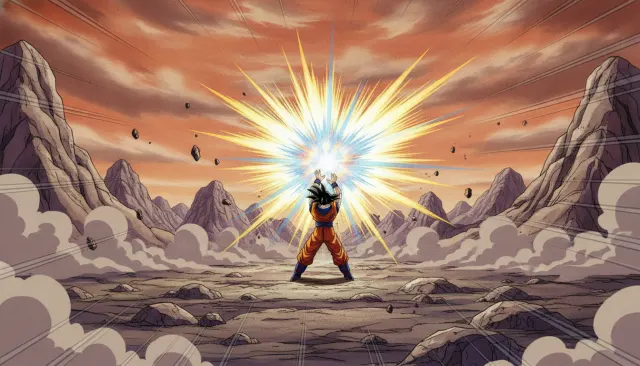 Studio Aesthetic ExpandedToei Dragon Ball Classic
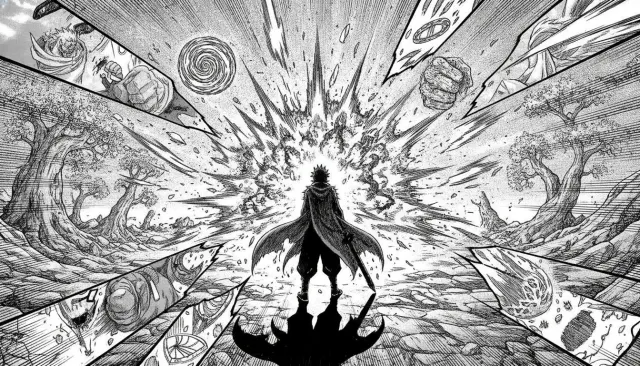 Manga PaperShonen Manga Screentone
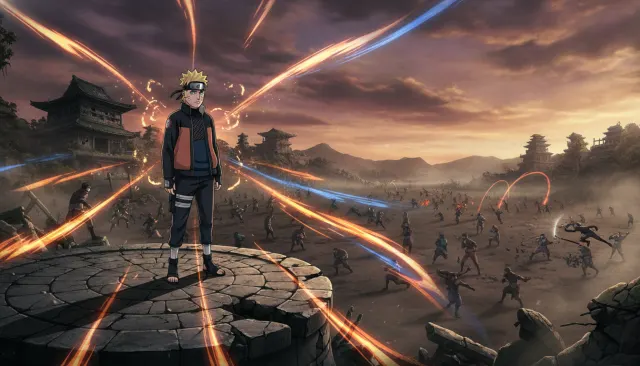 Era Classic Anime Expanded2000s Naruto Shippuden Modern Shonen
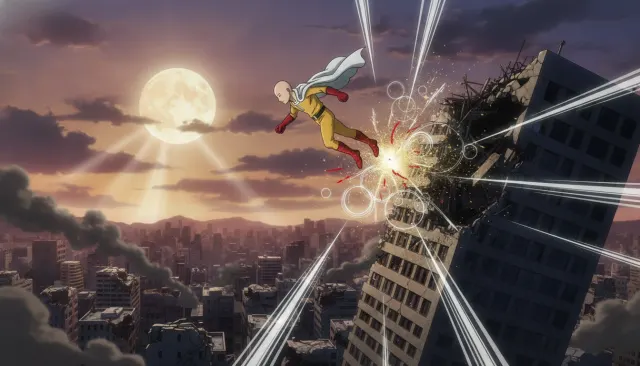 Era Classic Anime Expanded2010s One Punch Man Bouncing Comic
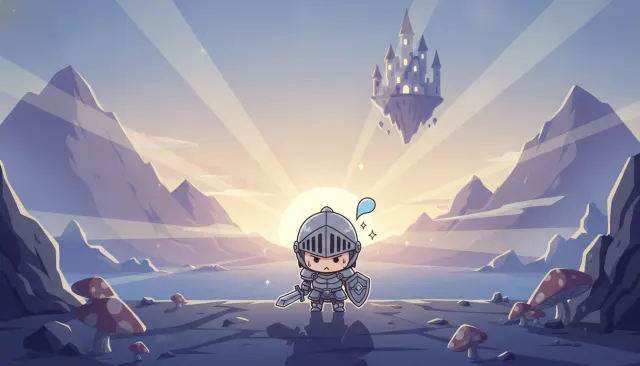 Subgenre ChibiChibi Super Deformed
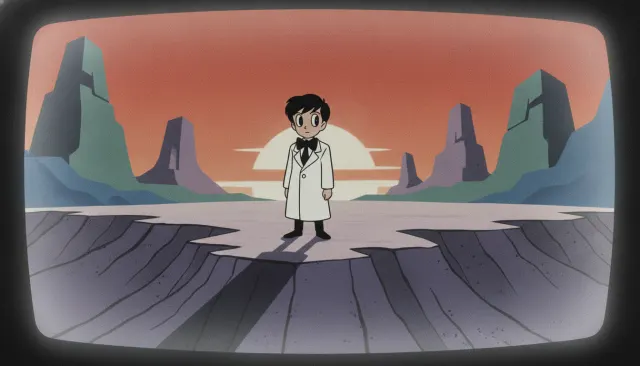 Era Classic AnimeTezuka Classic 60s
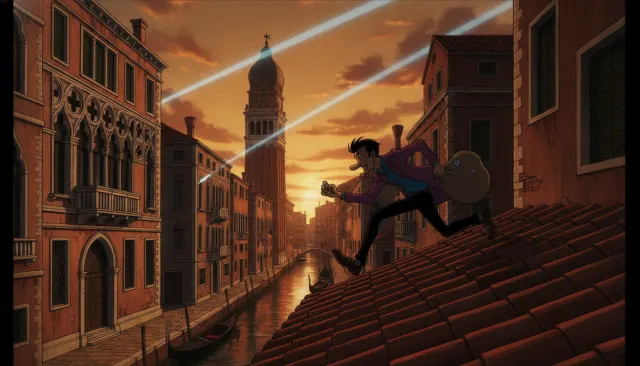 Era Classic Anime Expanded70s Lupin III Zenigata Action