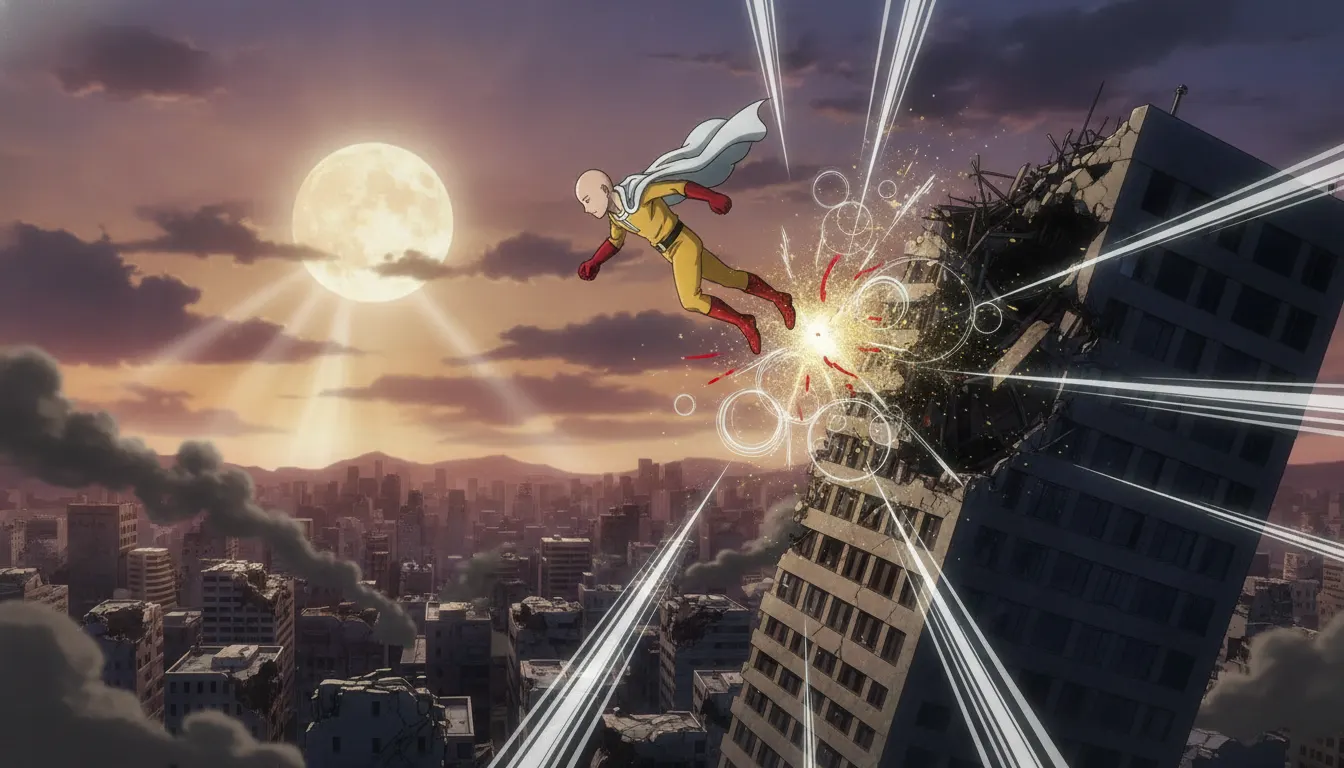
ERA CLASSIC ANIME EXPANDED · 2010S · JAPAN
2010s One Punch Man Bouncing Comic
One Punch Man season-one register. Madhouse-era polish, hand-drawn impact spectacle, comedic bouncing motion, hero parody staging.
comedickineticparodyimpact
LUT one-punch-man-impact
WHEN TO USE
- Superhero, action, or fitness content that benefits from the parody-vs-earnest tension
- Comedy content that juxtaposes mundane characters against epic circumstances
- Gaming content covering action RPG or brawler genres
- Thumbnails and social content targeting anime fans who value both craft and comedy
- Brand campaigns around strength, confidence, or effortless competence
- Tutorial or educational content that benefits from alternating simple character reactions with detailed environment art
WHEN NOT TO USE
- Content requiring consistent emotional engagement where the comedy-via-underreaction breaks immersion
- Children's content where the anatomically detailed monster and violence imagery is inappropriate
- Luxury or premium brand positioning where the parody sensibility undermines aspiration
- Romance or slice-of-life content where superhero iconography is irrelevant
SIGNATURE TECHNIQUES
How the look is made.
The moves a human crew would use to get here. Cue applies them for you, and knowing their names is how you ask for a change.
- 01Deliberate tonal contrast
crude simple protagonist against hyper-detailed world
- 02Smear frame animation representing motion blur across multiple positions in a single drawing
- 03Manga
style sound effect typography integrated as in-frame animated elements
- 04Black and white screen wipe impact frames homaging manga panel transitions
- 05Alternating static manga
panel dialogue composition with explosive all-out action animation
- 06Yusuke Murata
style anatomical hyperdetail: individual muscle fibers, concrete shatter particles
- 07Multiplane depth compositing layering FX over background
foreground planes
HISTORY & CONTEXT
Where it comes from.
One-Punch Man and the Bouncing Comic Aesthetic (2010s)
One-Punch Man began as a self-published webcomic by the pseudonymous artist ONE in 2009, drawn in a deliberately crude, minimal style. Its manga adaptation by Yusuke Murata launched in Weekly Young Jump in 2012, transforming ONE's rough sketches into hyper-detailed, anatomically precise superhero art. The 2015 anime adaptation by Madhouse (directed by Shingo Nishimura, series composition by Tomohiro Suzuki) then elevated the property further, producing what many critics consider the most technically accomplished TV action animation of the decade.
The Visual Paradox: Crude vs. Hyperdetailed
The series' core visual identity is built on deliberate tonal contrast. Protagonist Saitama is rendered simply - a bald, expressionless figure in a yellow jumpsuit - while his opponents and the world around him receive obsessive anatomical and architectural detail. Murata's manga pages routinely contain hundreds of individually rendered muscle fibers, shattered concrete fragments, and energy discharge particles. This juxtaposition creates the series' primary comedic and dramatic engine: the world strains with maximum effort while Saitama remains unchanged.
Madhouse Animation Direction
Animation director Chikashi Kubota's key animation for the Saitama vs. Boros finale (Episode 12, 2015) is widely studied in animation communities. The sequence uses aggressive smear frames - single drawings that represent motion blur across multiple positions simultaneously - layered with multiplane depth and particle FX compositing. The studio's technique of alternating between static "manga panel" compositions during dialogue and explosive all-out animation during combat became a signature of the series and influenced the industry's approach to action pacing.
Color Design and Impact Typography
Color designer Yukiko Kakita's palette strategy pairs desaturated backgrounds and costumes during setup with saturated impact color during combat. Impact frames use pure white or black screen wipes, an homage to manga panel transitions. The series also popularized the use of manga-style sound effect typography integrated into motion sequences - bold katakana characters physically present in the animated frame.
Genre Influence
The One-Punch Man aesthetic sparked a broader 2010s trend toward self-aware superhero parody in anime, influencing Mob Psycho 100 (Bones, 2016, also based on ONE's work) and The Disastrous Life of Saiki K. (J.C.Staff, 2016). The 2019 Season 2 by J.C.Staff represented a deliberate downgrade in production quality, and the resulting fan discourse deepened appreciation for Madhouse's Season 1 as a benchmark of craft.
NOTABLE WORKS
Where you have seen it.
*One-Punch Man* manga by Yusuke Murata, Weekly Young Jump, 2012-ongoing
*One-Punch Man* Season 1 anime, Madhouse, director Shingo Nishimura, 2015
*One-Punch Man* Season 2 anime, J.C.Staff, 2019
*One-Punch Man* Season 3 anime, MAPPA, 2025
*Mob Psycho 100* by ONE, Bones, director Yuzuru Tachikawa, 2016-2022
Chikashi Kubota key animation, Saitama vs. Boros, Episode 12, 2015
THE RECIPE
The exact knobs
the renderer turns.
A Look is not a filter. It is a set of stored decisions the pipeline reads before it makes a single frame, so two videos in the same Look actually match.
SettingValue
GradeColour LUT applied to every frame
one-punch-man-impactTransitionHow one shot becomes the next
hard cuts · 120ms · linearKen BurnsCamera move applied to stills
Slow push · 0.09 · centerTypographyDisplay / body / mono pairing
Bangers · Inter · JetBrains MonoMusic moodWhat the bed under the voice sounds like
shonen-anthemic · parody-rockPrompt suffixAppended to every shot prompt in this Look
One Punch Man season one anime, Madhouse era polish, hand-drawn impact spectacle, comedic bouncing motion, hero parody stagingPALETTE
Primary
#F4D03F
Secondary
#DC2626
Accent
#5DE2E7
Text/Light
#1A1A22
Text/Dark
#FFF8EE
BG 900
#0F0F14
BG 800
#1A1A22
RELATED LOOKS
Next to it on the shelf.
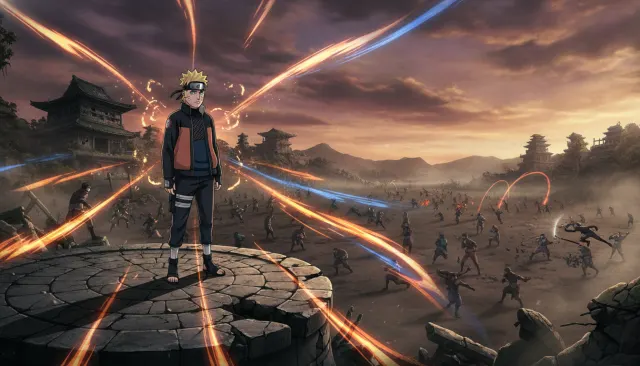 Era Classic Anime Expanded2000s Naruto Shippuden Modern Shonen
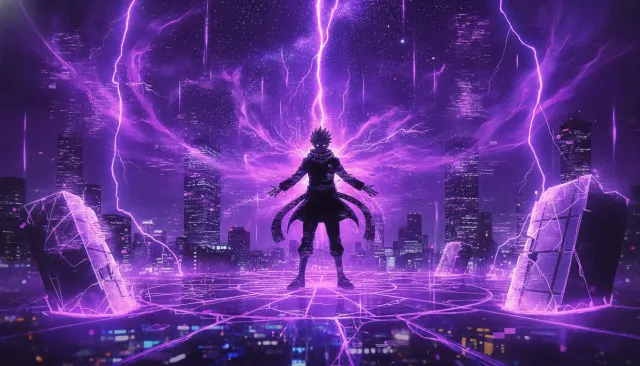 Era Classic Anime Expanded2020s Jujutsu Kaisen Cursed Energy
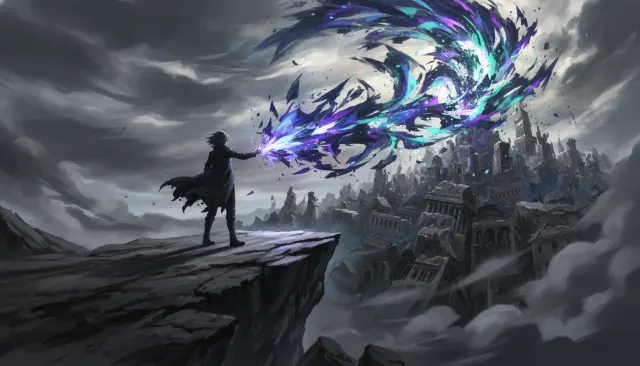 Studio Aesthetic ExpandedBones Studio Mob Psycho Action
 Subgenre ChibiChibi Super Deformed
 Era Classic Anime Expanded90s Bleach Shinigami Aesthetic
 Subgenre Action DarkerCyberpunk Anime Akira Modern
Your first cut
is on us.
+ New videoFree plan · no card · 1080p export